Discover the fascinating floating villages of Siem Reap, located along the vast waters of Tonle Sap Lake. These communities offer a rare glimpse into a unique water-based way of life, where stilt houses, floating markets, schools, and temples rise and fall with the lake’s seasonal rhythms. Shaped by generations of tradition and close ties to nature, the floating villages reflect the resilience and cultural richness of local life. With thoughtfully arranged tours and knowledgeable guides from Asia Eyes Travel DMC Vietnam, exploring Siem Reap’s floating villages becomes an eye-opening, respectful, and unforgettable cultural experience.
Siem Reap Floating Villages, a bustling city in Cambodia, is most famous for its proximity to the ancient Angkor Wat temples. However, beyond these historic landmarks lies a unique and captivating experience: the floating villages of Siem Reap. These communities, perched on the waters of the Tonle Sap Lake, offer a fascinating glimpse into a way of life that has remained largely unchanged for generations.
The floating villages are a series of settlements where homes, schools, markets, and even places of worship are constructed on water. These villages are built on the Tonle Sap, Southeast Asia's largest freshwater lake, which plays a crucial role in the lives of millions of Cambodians. The lake’s seasonal ebb and flow dictate the rhythm of life in these communities, making them a vital part of the region's ecosystem and culture.
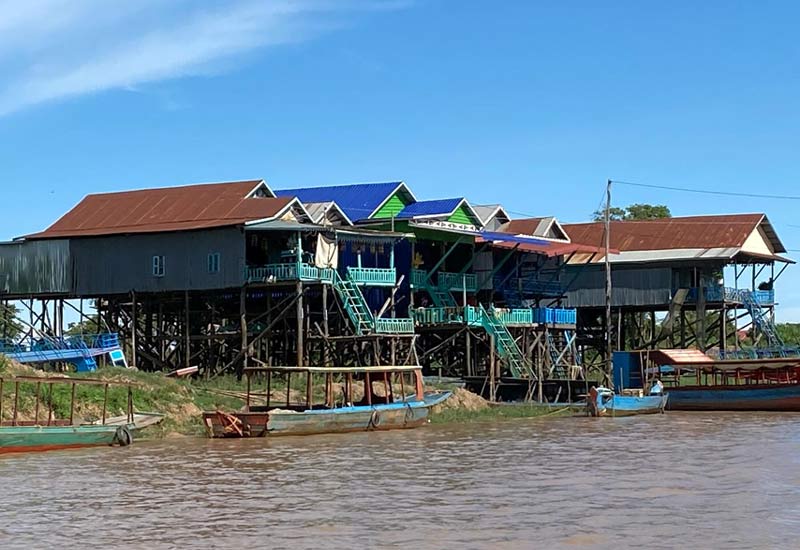
There are three main floating villages near Siem Reap that are popular among visitors: Chong Kneas, Kampong Phluk, and Kampong Khleang. Each offers a distinct experience, catering to different interests and travel styles.
Chong Kneas is the most accessible floating village, located just a short drive from Siem Reap. This proximity makes it a popular choice for tourists, though it has received mixed reviews due to its heavily commercialized nature. Visitors to Chong Kneas can expect to see floating houses, schools, and fish farms, as well as vendors selling goods from their boats. While the village offers a quick introduction to life on the water, some travelers find it lacks authenticity compared to other villages.
Situated about 30 kilometers from Siem Reap, Kampong Phluk is a stilted village that provides a more authentic glimpse into the daily lives of its residents. The village is surrounded by a flooded mangrove forest, which adds an element of natural beauty to the experience. During the wet season, the water level rises, creating an ethereal scene as boats glide through the forest. In the dry season, the towering stilt houses are fully exposed, showcasing the ingenious architectural adaptations of the community.
=> Cambodia Tour Package 4 Days, featuring a scooter adventure to Kampong Phluk floating village, is designed to fulfill your travel dreams of exploring Siem Reap's unique floating communities.
Kampong Khleang, located around 50 kilometers from Siem Reap, is the largest and least touristy of the floating villages. This village is home to a substantial population, with both floating and stilted structures. Visiting Kampong Khleang offers a more serene and immersive experience, as it is less frequented by tour groups. Travelers can explore the village, interact with locals, and gain a deeper understanding of the symbiotic relationship between the community and the Tonle Sap Lake.
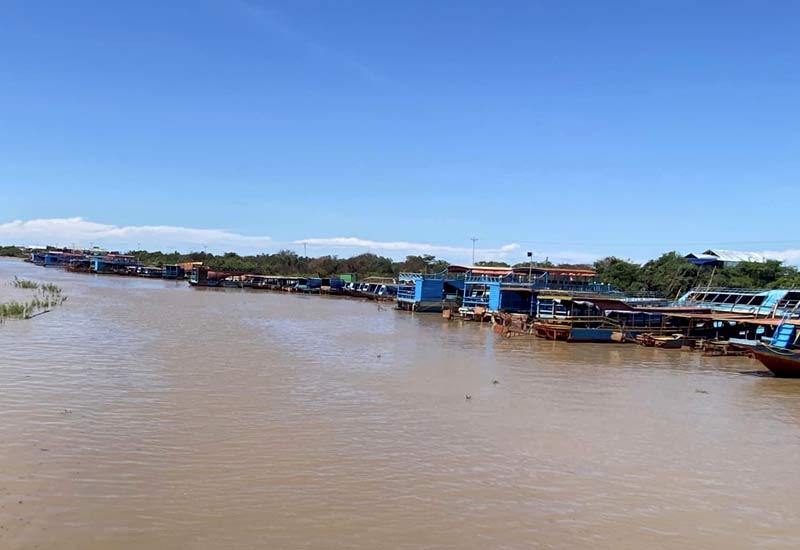
Life in the floating villages revolves around the lake, which provides both sustenance and transportation. Fishing is the primary livelihood, with families relying on the abundant fish stocks for food and income. During the rainy season, when the lake swells to several times its dry-season size, villagers navigate the waters using boats of various sizes. In the dry season, they adapt to the lower water levels by using motorbikes and bicycles on the exposed land.
Education and healthcare are vital aspects of life in these villages. Floating schools and clinics cater to the needs of residents, though resources are often limited. Many non-governmental organizations (NGOs) work in these communities to improve access to education, clean water, and healthcare services.
Religion also plays a significant role, with floating pagodas serving as spiritual centers. These places of worship are not only important for religious ceremonies but also act as gathering points for the community.
While the floating villages are a testament to human adaptability, they face numerous challenges. Pollution is a pressing issue, as waste disposal infrastructure is limited, leading to contamination of the lake. Overfishing is another concern, threatening the sustainability of the Tonle Sap's fish population. Climate change exacerbates these problems, with unpredictable weather patterns impacting the lake's natural cycles.
Social challenges include limited access to education and healthcare, as well as economic instability. Many villagers live in poverty, relying on subsistence fishing and small-scale trade. The influx of tourism has brought both opportunities and challenges. While it provides additional income, it also raises concerns about cultural commodification and environmental degradation.
For travelers wishing to explore the floating villages, it is essential to approach the experience responsibly. Opting for local guides and tours that support the community can help ensure that tourism benefits the residents. Avoiding exploitative practices, such as visiting orphanages or taking intrusive photographs, is crucial in respecting the dignity of the villagers.
Consider visiting Kampong Phluk or Kampong Khleang for a more authentic and sustainable experience. These villages offer opportunities to interact with locals in a meaningful way, such as joining a family for a meal or learning about traditional fishing techniques. Additionally, supporting NGOs working in the area can contribute to the long-term well-being of these communities.
The experience of visiting the floating villages varies greatly depending on the time of year. During the wet season (May to October), the lake expands dramatically, and the villages truly "float." This is the best time to visit if you want to see the houses and boats in their element. In contrast, the dry season (November to April) reveals the stilted structures, providing insight into the engineering ingenuity of the villages.
Visiting the floating villages typically involves a combination of land and boat transportation. Tours can be arranged through hotels or travel agencies in Siem Reap. It is advisable to research and choose a reputable operator that prioritizes sustainability and community benefit.
For independent travelers, renting a motorbike or hiring a tuk-tuk to reach the villages is an option. Boat rides can then be arranged on-site, though it is essential to negotiate prices in advance to avoid overcharging.

The Siem Reap floating villages offer a unique and enriching experience that goes beyond the iconic temples of Angkor. These communities are a living testament to the resilience and ingenuity of their residents, who have adapted to life on the water for generations. By visiting responsibly, travelers can gain a deeper appreciation of Cambodia's cultural and natural heritage while contributing to the preservation of these remarkable villages.
Whether gliding through the mangrove forests of Kampong Phluk, marveling at the sprawling stilt houses of Kampong Khleang, or observing the bustling life of Chong Kneas, a visit to the floating villages is an unforgettable journey into a world shaped by water.
Discover the enchanting Siem Reap floating villages with Asia Eyes Travel! Immerse yourself in the unique culture of Tonle Sap Lake, explore stilt houses, and glide through tranquil mangrove forests. Book your unforgettable adventure today and experience Cambodia like never before!
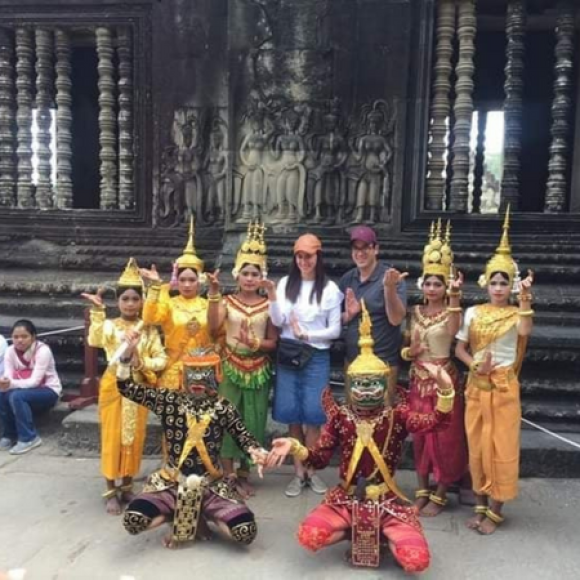
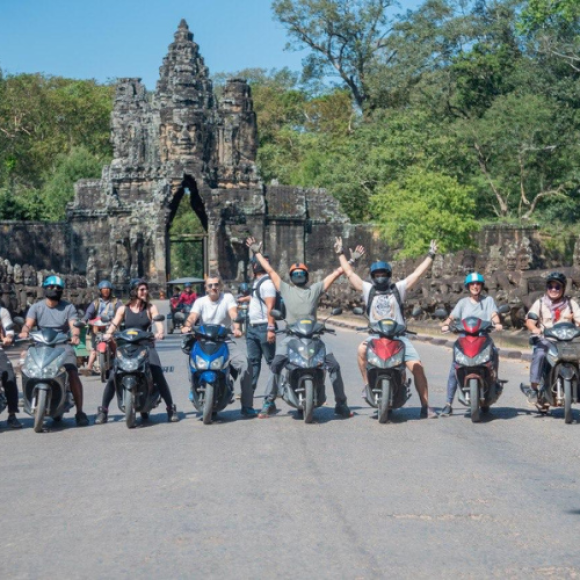
Siem Reap Scooter Tour - Kampong Phluk Floating village
Journey Through Siem Reap and Battambang 7 Days