Things to Know in Cambodia

Cambodia, a Southeast Asian country known for its rich history, stunning landscapes, its delicious food, friendly people, amazing Buddhist temples and vibrant culture, offers a unique and unforgettable travel experience. From the ancient temples of Angkor to the bustling markets of Phnom Penh, Cambodia is a destination that blends the past with the present. Here’s everything you need to know before visiting Cambodia:

1. Geography and Climate

Cambodia is bordered by Thailand to the west and northwest, Laos to the north, Vietnam to the east and southeast, and the Gulf of Thailand to the southwest. Cambodia has a tropical monsoon climate with two distinct seasons:


Cambodia - All You Need To Know Before Going!

  • Dry Season: November to April, with cooler temperatures from November to February, making it the best time to visit.
  • Wet Season: May to October, with heavy rainfall, particularly from June to September. This season brings lush greenery but also humidity and occasional flooding.

2. Visa and Entry Requirements

Most travelers need a visa to enter Cambodia. You can obtain a tourist visa on arrival at international airports and border crossings, or apply for an e-visa online before your trip. The tourist visa is typically valid for 30 days.

  • Passport: Your passport must be valid for at least six months beyond your planned departure date.
  • COVID-19 Considerations: Check the latest entry requirements regarding COVID-19, including vaccination status and testing requirements, as these can change.

3. Currency and Money Matters

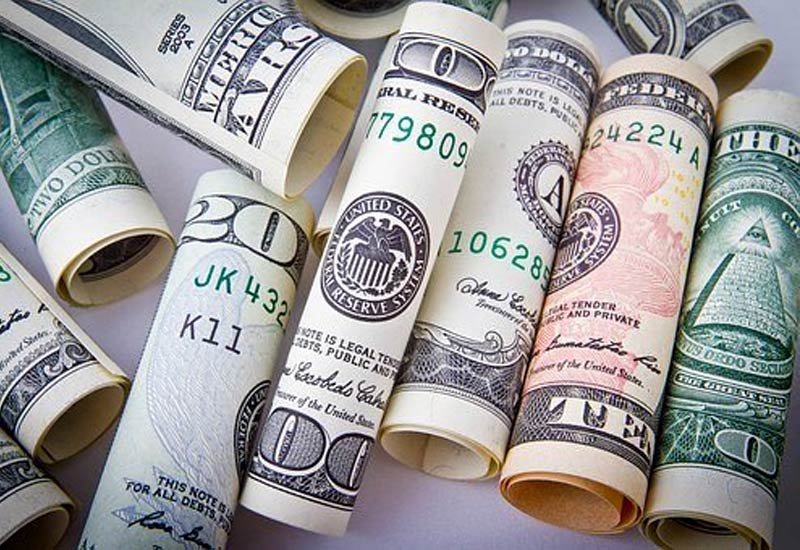
The official currency is the Cambodian Riel (KHR), but the US Dollar (USD) is widely accepted and often preferred for larger transactions. ATMs dispense both Riel and USD. Credit cards are accepted in major cities and tourist areas, but cash is essential for rural areas and small transactions.
 

4. Language

Khmer is the official language of Cambodia. While English is widely spoken in tourist areas, learning a few basic phrases in Khmer can enhance your experience.

5. Health and Safety

Water and Food Safety: Drink bottled or boiled water, and avoid ice in drinks outside of reputable establishments. Eat at well-established restaurants to reduce the risk of foodborne illnesses.

Travel Insurance: Comprehensive travel insurance is highly recommended, covering medical expenses, trip cancellations, and theft.

6. Transportation

Transportation in Cambodia offers a variety of options, catering to different budgets, travel styles, and distances. Here’s a detailed guide to getting around the country:
 

Cambodia - All You Need To Know Before Going!

  • Air Travel: The main international airports are in Phnom Penh (Phnom Penh International Airport) and Siem Reap (Siem Reap International Airport). There are also smaller airports like Sihanoukville International Airport.
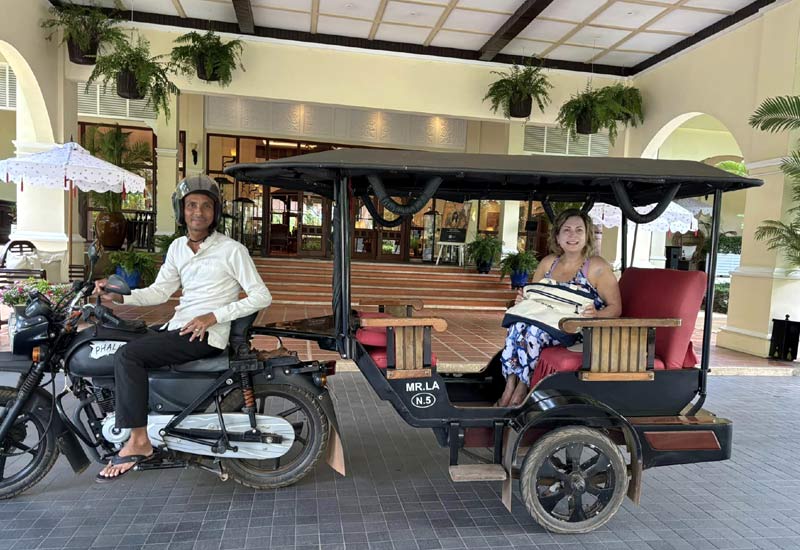
  • Tuk-Tuks and Motorbikes: Tuk-tuks are a popular and affordable way to get around cities. Motorbikes are also commonly used, but if you plan to rent one, ensure you have the proper license.
  • Buses and Minibuses: Buses are the main mode of intercity transportation, with regular services between major cities and tourist destinations. Minibuses offer faster, but more cramped, alternatives.
  • Taxis and Ride-Hailing: Taxis are available, but it's often more convenient to use ride-hailing apps like Grab.

7. Cultural Etiquette


  • Respect for Temples: When visiting temples, dress modestly with your shoulders and knees covered. Remove your shoes and hat before entering temple buildings.
  • Greetings: A traditional greeting involves placing your hands together in a prayer-like gesture (known as the sampeah) and bowing slightly. The higher the hands, the more respect is shown.
  • Monks: Monks are highly respected in Cambodia. Avoid touching or standing above them, and women should not make physical contact with monks.

8. Top 6 Attractions

Cambodia is rich in cultural heritage and natural beauty, offering a range of attractions that captivate travelers from around the world. Here are the top six attractions in Cambodia:
 

Cambodia - All You Need To Know Before Going!

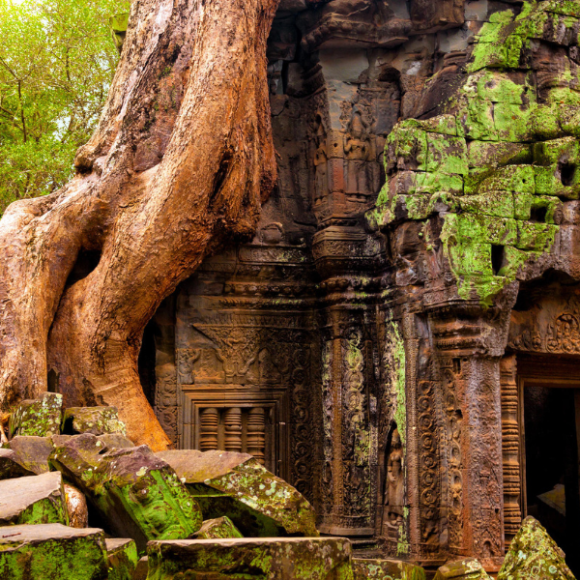
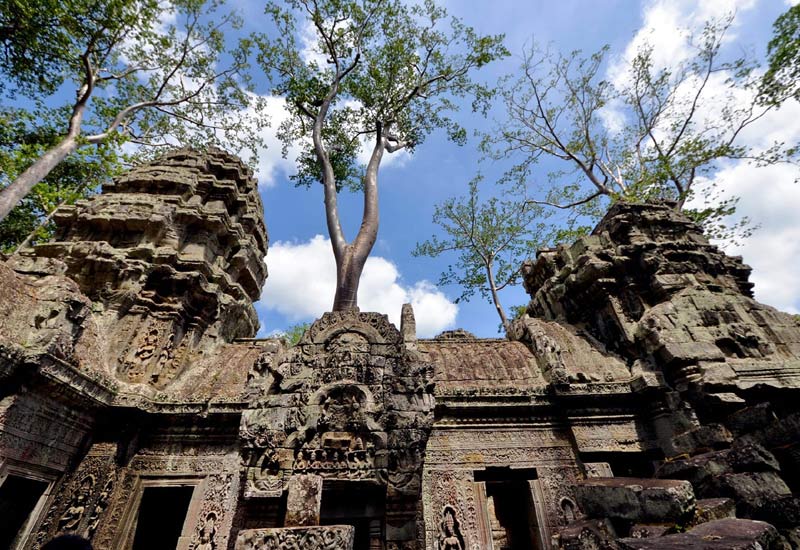
  • Angkor Wat: The world-famous temple complex near Siem Reap, a UNESCO World Heritage site, is a must-visit. Don’t miss the sunrise over the temple.
  • Phnom Penh: The capital city, home to the Royal Palace, Silver Pagoda, and the sobering Tuol Sleng Genocide Museum and Killing Fields.
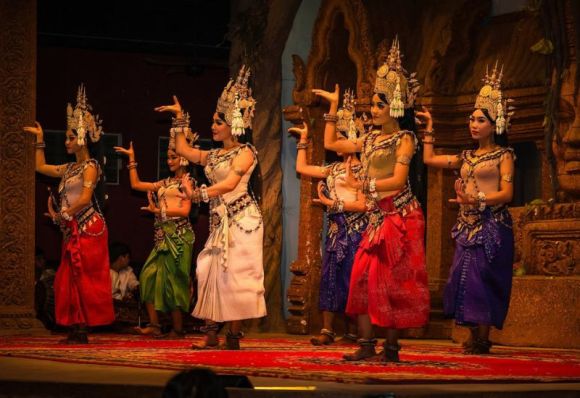
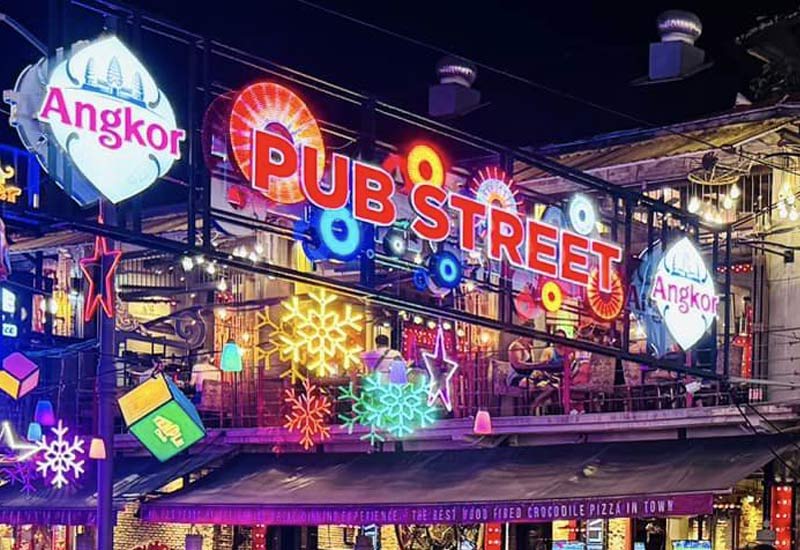
  • Siem Reap: The gateway to Angkor Wat, Siem Reap also offers vibrant markets, cultural performances, and nightlife.
  • Sihanoukville: A coastal city known for its beaches, nearby islands, and a jumping-off point for exploring the Gulf of Thailand.
  • Battambang: A charming town known for its colonial architecture, the famous bamboo train, and nearby temples.
  • Kampot and Kep: Known for their riverside charm, pepper farms, and crab markets. Kep National Park offers excellent hiking trails.

9. Cambodia Cuisine

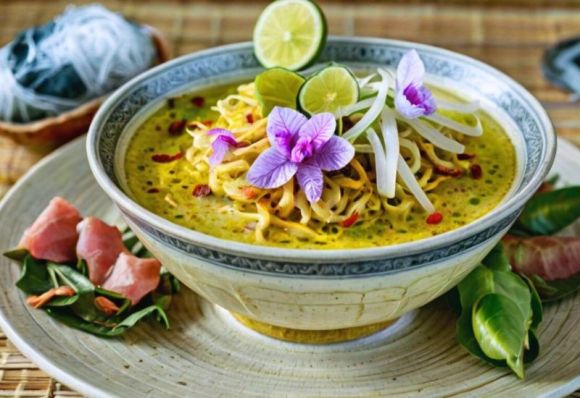
Cambodian cuisine, also known as Khmer cuisine, is a flavorful and diverse mix of ingredients, techniques, and influences, drawing on a rich history and the natural bounty of the region. While less internationally known than its Thai or Vietnamese counterparts, Cambodian food offers a unique and authentic culinary experience.
 

Cambodia - All You Need To Know Before Going! - Cambodian cuisine

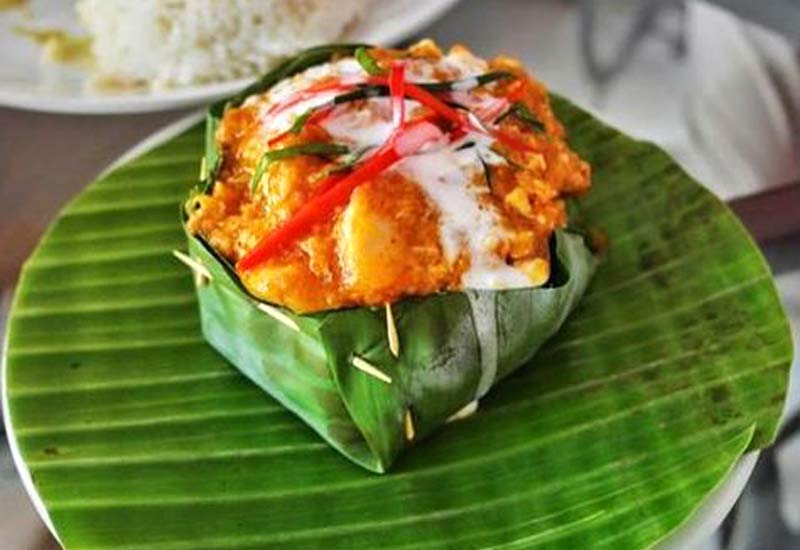
  • Amok: A traditional Cambodian dish of fish or chicken cooked in coconut milk, herbs, and spices, often served in a banana leaf.
  • Lok Lak: Stir-fried beef served with rice, salad, and a dipping sauce made of lime and black pepper.
  • Khmer Curry: A milder and sweeter curry than those found in neighboring Thailand, made with coconut milk, vegetables, and meat.
  • Street Food: Explore the vibrant street food scene, but ensure that food is cooked thoroughly and served hot.

10. Shopping and Souvenirs

Markets: Visit markets like the Russian Market (Phsar Toul Tom Poung) in Phnom Penh or the Old Market (Phsar Chas) in Siem Reap for local crafts, textiles, and souvenirs.

Popular Items: Cambodian silk, handmade jewelry, wood carvings, and Kampot pepper are popular items to bring home.

Bargaining: Bargaining is common in markets, but always be polite and reasonable in negotiations.

11. Local Festivals and Events

  • Khmer New Year (Chaul Chnam Thmey): Celebrated in April, this is one of the most important festivals, with three days of traditional games, dances, and ceremonies.
  • Pchum Ben: A religious festival in September or October where Cambodians honor their ancestors. It’s a time for reflection and visiting pagodas.
  • Water Festival (Bon Om Touk): Held in November, it marks the end of the rainy season and the reversal of the Tonle Sap River’s flow. The festival features boat races, fireworks, and celebrations.

Cambodia offers a rich tapestry of experiences, from the ancient wonders of Angkor Wat to the bustling streets of Phnom Penh. With its deep cultural heritage, stunning landscapes, and warm hospitality, Cambodia is a destination that invites exploration and discovery. By preparing well and respecting local customs, you can ensure a memorable and meaningful journey through this remarkable country.

Explore the Magic of Cambodia with Asia Eyes Travel

Let the spirit of Cambodia sweep you away - from the awe-inspiring temples of Angkor Wat to the tranquil floating villages and vibrant local life. Whether you seek culture, history, or relaxation, Asia Eyes Travel brings you authentic experiences that reveal the heart of this incredible country.

Discover our tailor-made Cambodia Tours, designed for travelers who crave both comfort and connection. Book your Cambodia Tour today with Asia Eyes Travel and let your journey unfold in the most inspiring way possible.
Cambodia Tours | Best Temples, Attractions & Experiences

Related Posts

Siem Reap Local Cuisine - A Taste of Cambodia's Heritage

Discover the true essence of Cambodian culture through the vibrant local cuisine of Siem Reap. From the fragrant, coconut-infused flavors of the classic Fish Amok to lively street food stalls and creative modern interpretations of Khmer dishes, Siem Reap is a paradise for food lovers. Each meal tells a story of tradition, history, and local life, inviting travelers to connect with Cambodia through taste. With curated culinary experiences and local insights from Asia Eyes Travel DMC Vietnam, exploring Siem Reap’s food scene becomes an unforgettable journey into the heart of Khmer gastronomy.
Read more

Siem Reap Khmer Performances

Siem Reap brings Cambodia’s rich cultural heritage to life through captivating Khmer performances. From the graceful movements of traditional Apsara dances to lively folk routines, these shows showcase the nation’s ancient artistry, music, and storytelling. With thoughtfully selected cultural experiences and local insight from Asia Eyes Travel DMC Vietnam, enjoying Khmer performances in Siem Reap becomes a memorable and enriching highlight of your journey.
Read more
share
CHAT WITH US