Discover the true essence of Cambodian culture through the vibrant local cuisine of Siem Reap. From the fragrant, coconut-infused flavors of the classic Fish Amok to lively street food stalls and creative modern interpretations of Khmer dishes, Siem Reap is a paradise for food lovers. Each meal tells a story of tradition, history, and local life, inviting travelers to connect with Cambodia through taste. With curated culinary experiences and local insights from Asia Eyes Travel DMC Vietnam, exploring Siem Reap’s food scene becomes an unforgettable journey into the heart of Khmer gastronomy.
Siem Reap Local Cuisine, a vibrant city in northwestern Cambodia, is a gateway to the world-famous Angkor Wat temple complex. While its rich history and stunning architecture draw millions of visitors each year, Siem Reap also offers a delightful culinary journey that highlights the unique flavors of Khmer cuisine. Local dishes reflect the country's agricultural abundance, cultural diversity, and a harmonious blend of flavors that appeal to both locals and international visitors.
Khmer cuisine, often overshadowed by its neighbors Thailand and Vietnam, has a distinct identity shaped by centuries of history, trade, and cultural exchanges. At its core, the food emphasizes fresh ingredients, bold flavors, and balanced tastes. Key ingredients include rice, freshwater fish, herbs, spices, and fermented condiments, with a focus on seasonal produce.
In Siem Reap, these culinary traditions are celebrated through an array of local dishes that showcase the city’s gastronomic richness. From bustling markets to upscale restaurants, the food scene caters to every palate, making it a must-visit destination for food enthusiasts.
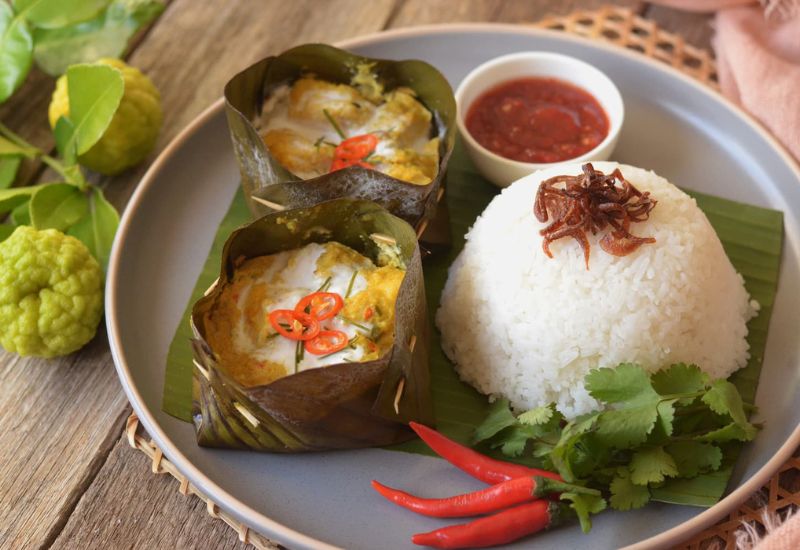
Fish Amok is one of Khmer cuisine’s most iconic dishes and a must-try in Siem Reap. This creamy, fragrant curry features freshwater fish cooked with coconut milk, lemongrass, kaffir lime leaves, and a unique spice paste called kroeung. The dish is often steamed in banana leaves, giving it a delicate texture and aromatic flavor. Variations may include chicken or tofu, catering to different dietary preferences.
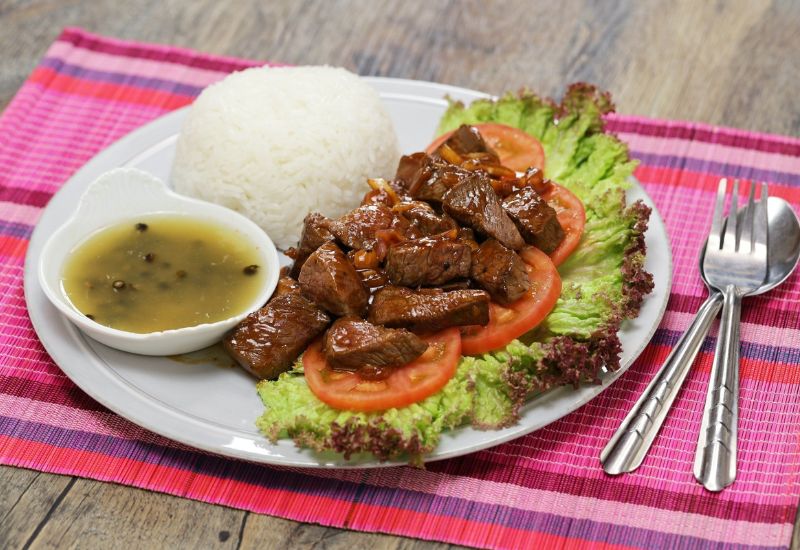
Lok Lak is a hearty dish consisting of stir-fried beef or chicken marinated in soy sauce, oyster sauce, and black pepper. The meat is served on a bed of lettuce, cucumbers, and tomatoes, accompanied by a tangy dipping sauce made from lime juice and Kampot pepper. This dish represents a fusion of Cambodian and French culinary influences.
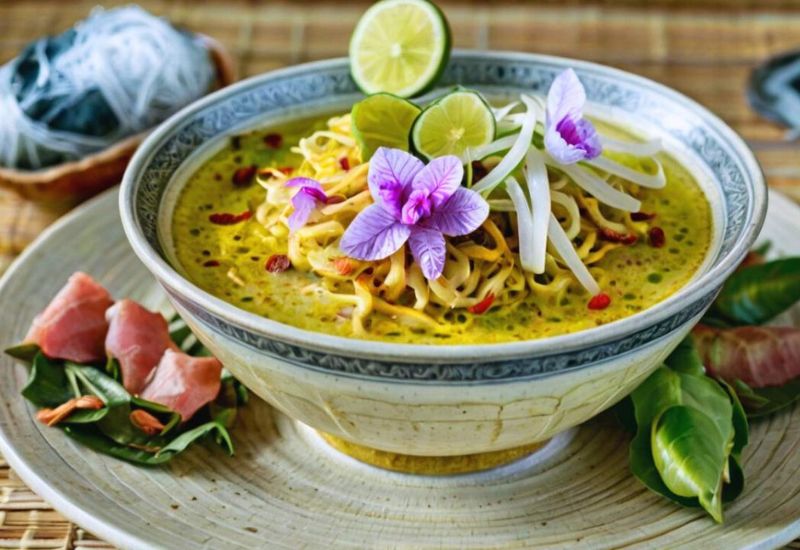
Often referred to as Cambodia’s national dish, Nom Banh Chok is a beloved breakfast staple in Siem Reap. It features rice noodles topped with a light green fish curry made from kroeung, turmeric, and coconut milk. Fresh herbs, bean sprouts, banana blossoms, and cucumbers are served alongside, allowing diners to customize their bowls with a medley of textures and flavors.
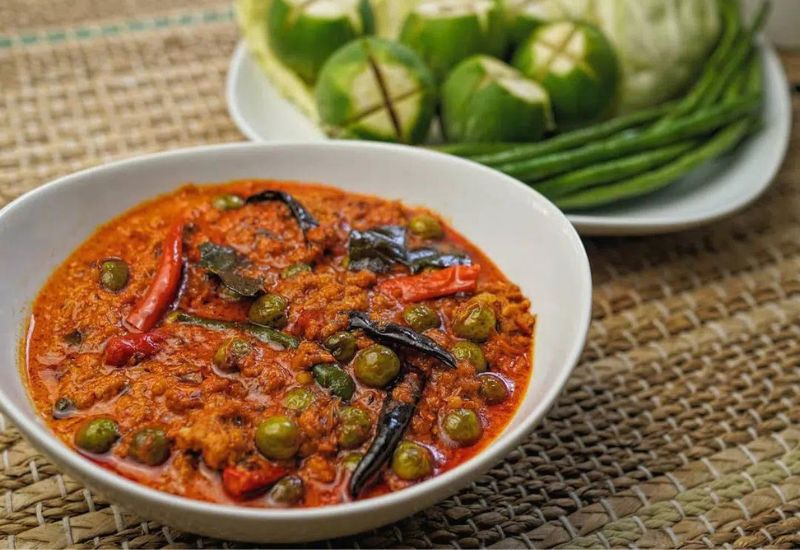
Prahok, a fermented fish paste, is a quintessential ingredient in Cambodian cuisine. Prahok Ktis is a rich and flavorful dip made by blending prahok with coconut milk, minced pork, and spices. The dip is paired with fresh vegetables like eggplants, cucumbers, and green beans, creating a balanced combination of savory and refreshing tastes.
Kuy Teav is a comforting noodle soup commonly enjoyed for breakfast. It features a clear broth made from pork or beef bones, rice noodles, and an assortment of toppings such as minced pork, sliced beef, herbs, and bean sprouts. The dish is often seasoned with lime juice, chili, and hoisin sauce, allowing diners to adjust the flavors to their liking.
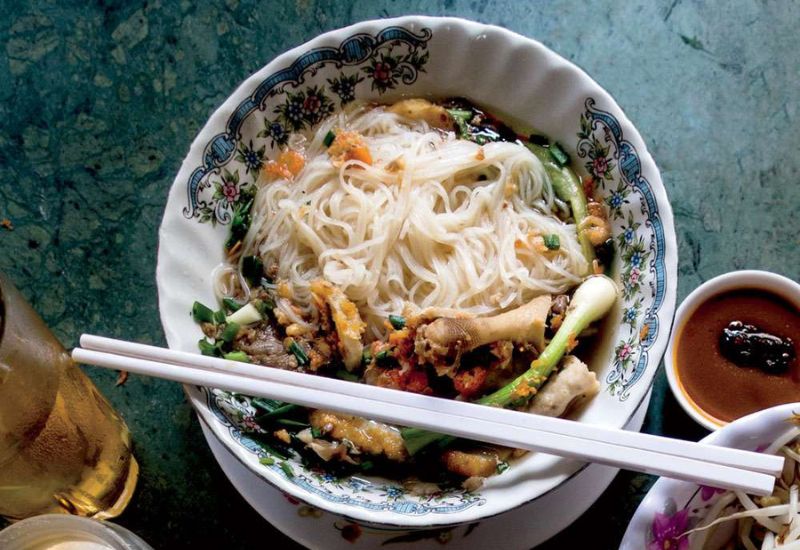
This simple yet satisfying dish is a breakfast favorite in Siem Reap. It consists of thinly sliced pork marinated in garlic and coconut milk, grilled to perfection, and served with steamed rice. Pickled vegetables and a bowl of chicken broth typically accompany the dish, adding layers of flavor to this humble meal.

Siem Reap’s vibrant street food scene is an integral part of its culinary landscape. Night markets and street stalls offer an array of affordable and delicious options, allowing visitors to experience authentic Cambodian flavors in a casual setting.
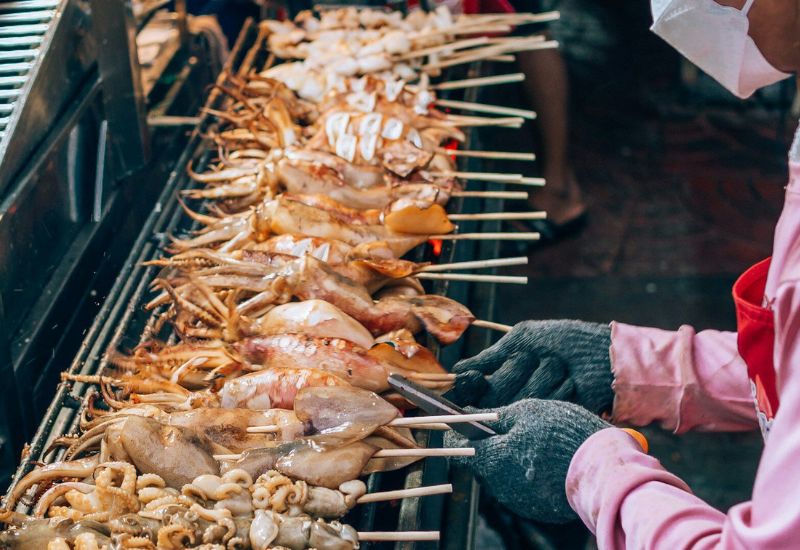
Grilled squid is a popular street food item in Siem Reap, often served on skewers with a tangy dipping sauce made from lime juice, salt, and Kampot pepper. The smoky, slightly charred flavor of the squid pairs beautifully with the zesty sauce, making it a favorite among locals and tourists alike.
For the adventurous eater, Siem Reap offers a variety of fried insects, including crickets, grasshoppers, and tarantulas. These snacks are seasoned with garlic, chili, and soy sauce, offering a crispy texture and a surprisingly savory taste. While unconventional, they provide a glimpse into Cambodia’s resourceful culinary traditions.

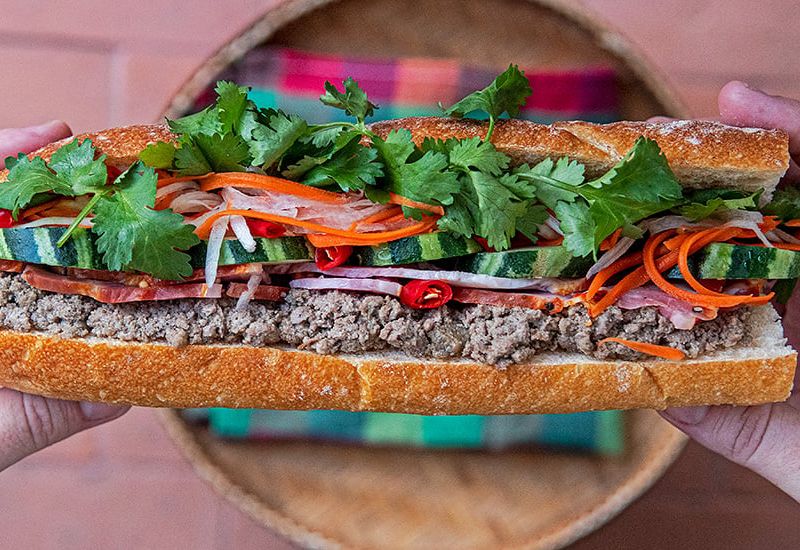
Inspired by French colonial influences, Nom Pang is Cambodia’s version of the banh mi. This crusty baguette is filled with grilled meat, pickled vegetables, fresh herbs, and a touch of spicy chili sauce, making it a perfect on-the-go snack.
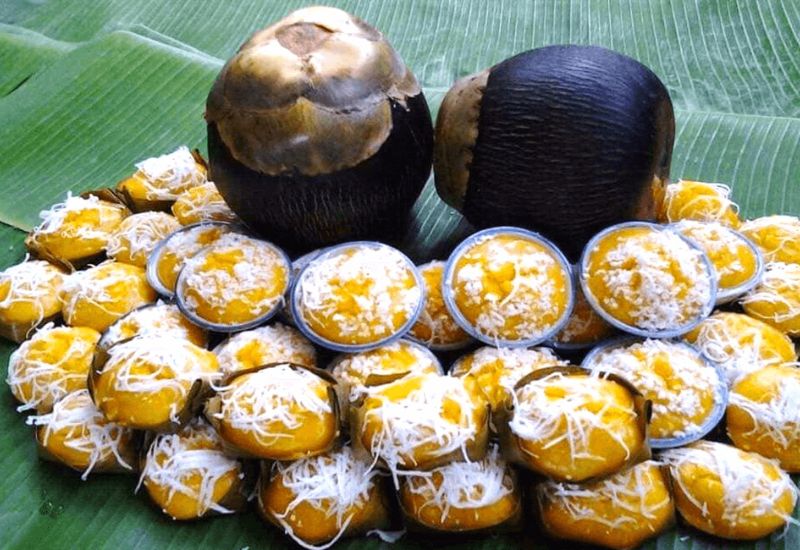
Cambodian desserts, often made with rice, coconut, and tropical fruits, are a delightful way to end a meal. Popular options include sticky rice with mango, palm sugar cakes, and num ansom (sticky rice cakes filled with banana).
Participating in a cooking class is a fantastic way to immerse yourself in Siem Reap’s culinary culture. Many establishments offer hands-on experiences where visitors can learn to prepare traditional dishes using local ingredients. Classes often include a visit to the market, providing insights into Cambodian food sourcing and preparation.
Exploring local markets like Psar Chaa (Old Market) or Psar Leu (Central Market) offers a sensory adventure. These bustling hubs are filled with stalls selling fresh produce, Cambodian spices, seafood, and street food. Engaging with vendors and sampling their offerings is an excellent way to connect with the local food culture.
Siem Reap boasts a growing number of restaurants that reinterpret traditional Cambodian dishes with a modern flair. Establishments like Embassy Restaurant and Malis offer elevated dining experiences, combining innovative techniques with authentic flavors to create unforgettable meals.
Rice is the cornerstone of Cambodian cuisine, served with nearly every meal. Siem Reap’s proximity to Tonle Sap Lake, Southeast Asia’s largest freshwater lake, ensures an abundant supply of fish and other aquatic resources. Dishes like Fish Amok and Prahok Ktis highlight the importance of these ingredients in local diets.
One of the defining characteristics of Khmer cuisine is its emphasis on balance. Sweet, sour, salty, and bitter flavors are harmoniously combined in each dish. Ingredients like tamarind, lime, sugar, fish sauce, and herbs are skillfully used to achieve this delicate equilibrium.
Siem Reap’s culinary scene is increasingly embracing sustainability and farm-to-table practices. Many restaurants source ingredients from local farms, supporting the community and promoting environmentally friendly practices. This approach not only ensures freshness but also highlights the region’s agricultural diversity.
Dive into the heart of Cambodian culture through its rich and flavorful cuisine in Siem Reap. Let Asia Eyes Travel DMC Vietnam guide you on a culinary journey where traditional recipes, vibrant street food, and refined local dining come together. From savoring iconic dishes like Fish Amok to exploring bustling night markets, our curated experiences centered on Cambodia Tours offer an authentic and delicious way to connect with Khmer heritage. Click to explore immersive food experiences and taste the true soul of Siem Reap.
Journey Through Siem Reap and Battambang 7 Days


Siem Reap Scooter Tour - Kampong Phluk Floating village






.jpg&description=Discover the true essence of Cambodian culture through the vibrant local cuisine of Siem Reap. From the fragrant, coconut-infused flavors of the classic Fish Amok to lively street food stalls and creative modern interpretations of Khmer dishes, Siem Reap is a paradise for food lovers. Each meal tells a story of tradition, history, and local life, inviting travelers to connect with Cambodia through taste. With curated culinary experiences and local insights from Asia Eyes Travel DMC Vietnam, exploring Siem Reap’s food scene becomes an unforgettable journey into the heart of Khmer gastronomy.&)