Understanding Thailand visa requirements is an essential step before booking flights. While Thailand is known for relatively straightforward entry procedures, rules vary depending on nationality, length of stay, and purpose of visit. Regulations can also evolve year by year, so verifying official information before departure is always recommended.
At Asia Eyes Travel DMC Vietnam, we regularly assist travelers combining Thailand with multi-country Southeast Asia journeys. Ensuring visa compliance early in the planning process helps avoid last-minute complications and ensures smooth arrival. Below is a clear overview of Thailand’s entry rules for 2026.
Thailand offers visa-free entry to citizens of many countries for short tourist stays. Under the visa exemption scheme, eligible travelers can typically stay between 30 and 60 days, depending on bilateral agreements and current policy updates.
The exact duration permitted without a visa depends on nationality, so checking official Thai immigration sources before travel is essential.
Citizens of certain countries may obtain a Visa on Arrival (VOA) at designated Thai international airports and border checkpoints. This option generally allows a shorter stay, commonly up to 15 days.
Processing times vary depending on airport traffic, so arriving prepared with all documentation speeds up the process.
Travelers planning to stay longer than visa-exempt limits can apply for a Tourist Visa through a Thai embassy or consulate before departure. A standard single-entry tourist visa often permits stays of up to 60 days, with possible extension inside Thailand subject to local immigration approval.
In recent years, Thailand has expanded digital systems in some markets, including eVisa application processes, which simplify pre-travel arrangements.
Thailand generally requires passports to be valid for at least six months from the date of arrival. Immigration officers may also request:
While checks are not always intensive, travelers should carry documentation in case of request.
Entry requirements may differ slightly depending on whether travelers arrive by air or cross land borders from neighboring countries. Visa exemption durations may vary for land entries, and certain restrictions can apply to frequent border runs.
Travelers planning regional itineraries should confirm entry conditions carefully, especially when combining Thailand with Laos, Cambodia, or Malaysia.
Tourists who wish to extend their stay may apply at local immigration offices within Thailand. Extension approval is not automatic and involves a fee.
Overstaying a visa can result in daily fines and, in serious cases, entry bans. Respecting permitted durations is essential for maintaining smooth future travel to Thailand.
As of 2026, most pandemic-era travel restrictions have been lifted. However, entry policies can change depending on global conditions. Travel insurance is not always mandatory but remains strongly recommended for medical coverage and trip protection.
For many travelers visiting for tourism under 30–60 days, a visa may not be required thanks to Thailand’s visa exemption agreements. However, nationality determines eligibility, and regulations can change.
The safest approach is verifying your specific country’s requirements with official Thai immigration authorities before confirming travel plans.
Visa rules are just one part of building a smooth itinerary. Asia Eyes Travel DMC Vietnam supports travelers planning well-structured Thailand tours by ensuring entry timing, stay duration, and regional routing align seamlessly.
Whether you are planning a short beach escape or an extended cultural journey across northern Thailand, our team helps you coordinate every detail with clarity and confidence. Contact Asia Eyes Travel today via email at info@asiaeyestravel.com or WhatsApp at +84 935 946 688.
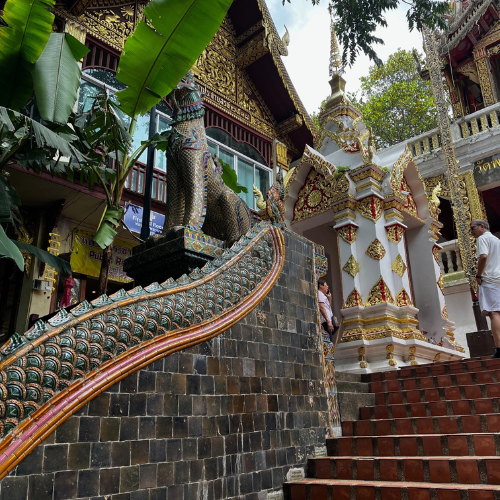
9 Days Exploring the Wonders of Northern Thailand

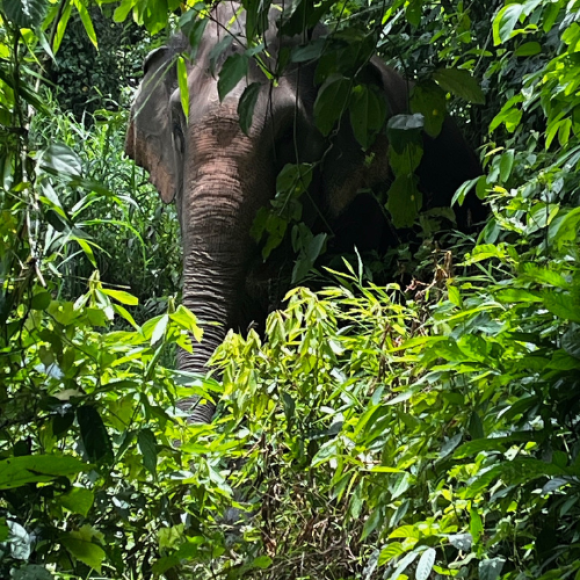
Explore the Best of Thailand in 10 Days
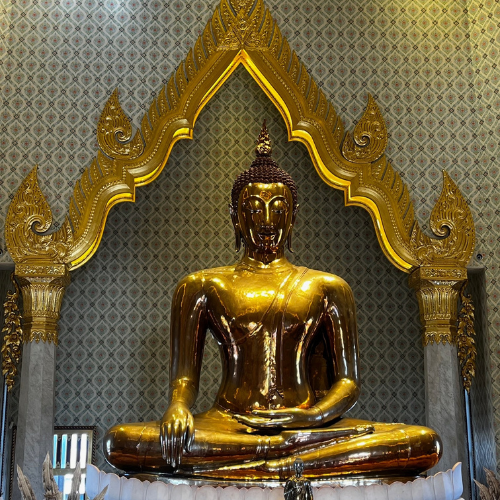
10-day Northern Thailand itinerary
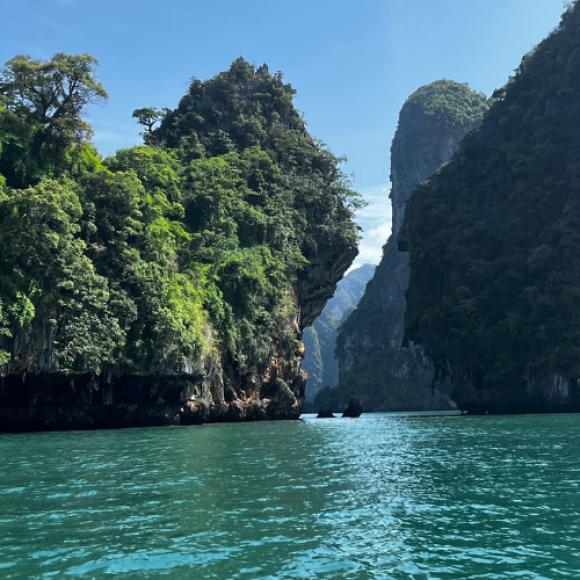
Discover Central and Southern Thailand in 15 Days

Explore the Best of Thailand in 16 Days