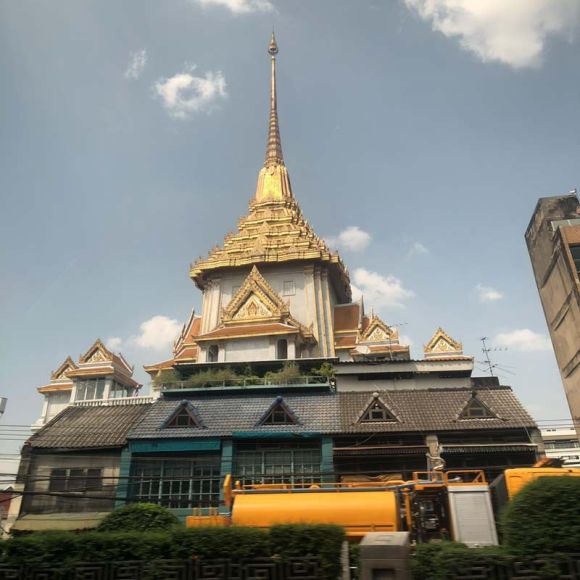
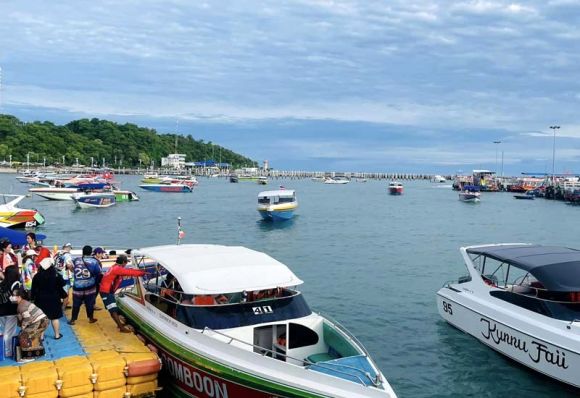
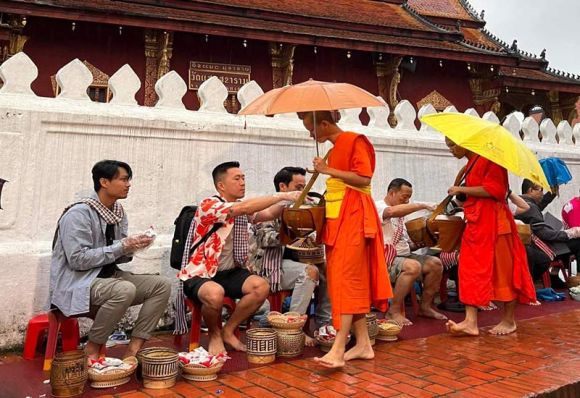
Planning a trip to Thailand in 2026 requires more than simply picking famous names on a map. The country offers dynamic cities, mountain landscapes, ancient temples, and tropical beaches - but distances, seasonal weather patterns, and travel pace matter. The key is selecting destinations that complement each other and building a journey that flows naturally from culture to relaxation.
As a destination management company deeply familiar with Southeast Asia, Asia Eyes Travel DMC Vietnam regularly assists travelers combining Thailand with neighboring countries. The most successful itineraries are always those designed with realistic transfer times and clearly defined travel priorities.
Thailand can be divided into four core travel regions, each offering a distinct experience. Choosing the right combination shapes the entire trip.
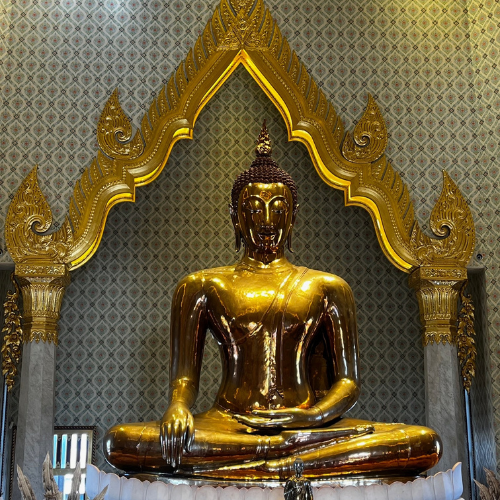
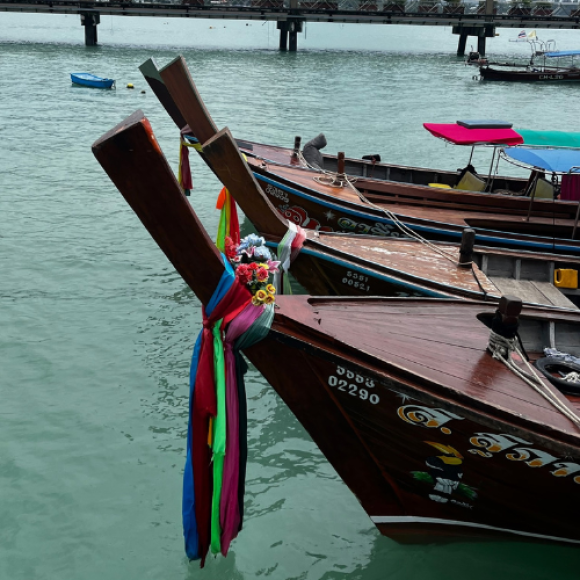
Bangkok is often underestimated as merely a transit hub, yet it delivers one of Asia’s most compelling urban experiences. The architectural grandeur of the Grand Palace and the serene atmosphere of Wat Pho introduce visitors to Thailand’s royal and spiritual heritage. Along the Chao Phraya River, traditional long-tail boats pass modern luxury hotels, reflecting the city’s constant contrast between old and new.
Beyond temples, Bangkok excels in rooftop dining, street food exploration, contemporary art spaces, and vibrant night markets. Two to three nights allow travelers to experience its highlights while still enjoying unstructured time to explore neighborhoods at their own rhythm.
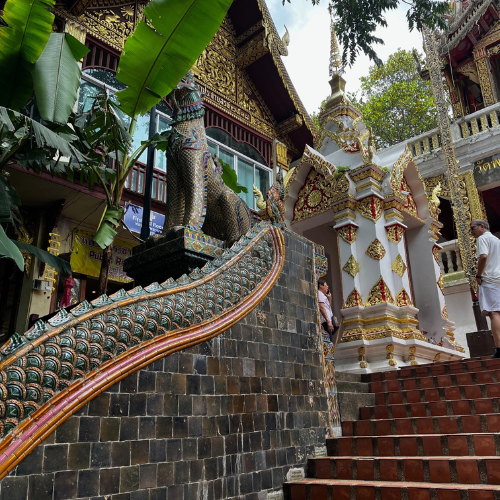
Chiang Mai offers a slower, more intimate atmosphere surrounded by green hills. The hilltop temple Wat Phra That Doi Suthep provides sweeping views and a deeper understanding of northern Lanna culture. Within the Old Town, ancient temples, boutique cafes, and craft markets create a walkable environment ideal for relaxed discovery.
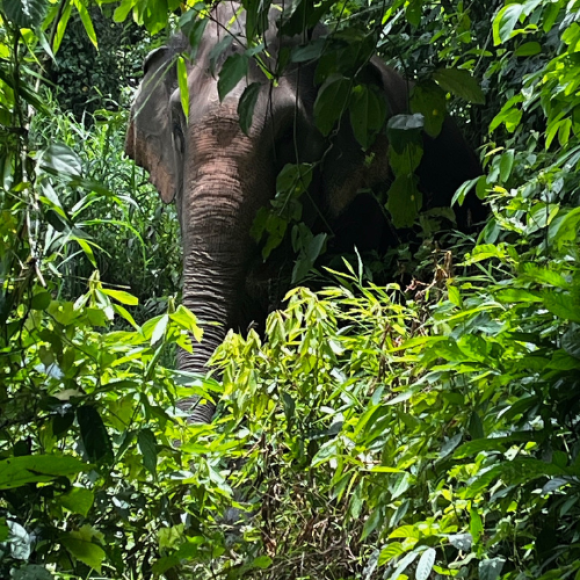
This region is perfect for cooking classes, ethical elephant experiences, light trekking, and cultural immersion. Two to three nights create a balanced northern chapter before heading south to the islands. Many travelers interested in Northern Thailand Tours find this region especially rewarding due to its strong cultural identity and natural setting.

Phuket remains Thailand’s most internationally connected beach destination. With direct flights from major hubs, it provides seamless access to tropical scenery. Beaches range from lively Patong to more tranquil areas such as Kata and Karon, allowing visitors to match the atmosphere to their preferences.
Phuket is well suited for travelers who value comfort, spa resorts, water sports, and structured day excursions to nearby islands. Three to four nights provide enough time to enjoy both relaxation and exploration without over-scheduling.
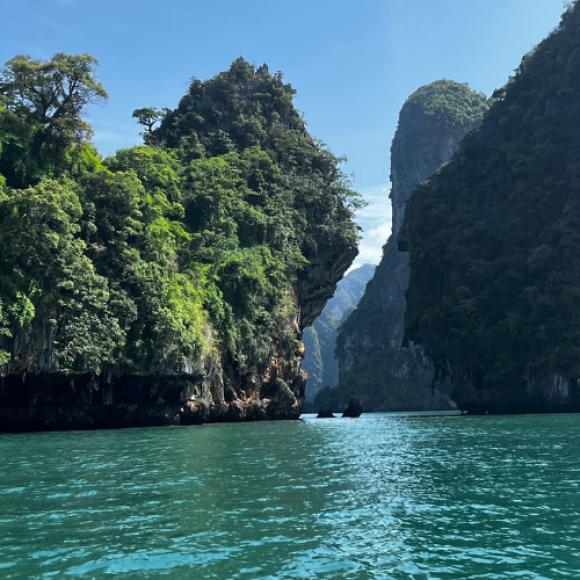
Krabi stands out for its dramatic limestone formations and turquoise sea, particularly around Railay Beach and surrounding islands. The scenery feels cinematic, and the overall pace is calmer compared to Phuket. Travelers seeking kayaking, scenic boat trips, and postcard-perfect coastal views often prefer Krabi for a more nature-focused beach experience.
A three-night stay allows time to enjoy the landscape while maintaining a comfortable itinerary pace.
Thailand’s cool and dry season from November to February offers the most comfortable conditions for sightseeing and beach holidays. March to May is hotter, especially in cities, but remains suitable for coastal stays. The green season from June to October brings occasional tropical showers, typically brief, along with fewer crowds in many destinations.
The Andaman Coast, including Phuket and Krabi, generally sees its best sea conditions from November to April. Aligning your chosen region with seasonal strengths significantly improves the overall experience.

A well-paced Thailand itinerary avoids excessive domestic transfers. Seven to eight days work best for combining Bangkok with one beach destination. Ten to twelve days allow for the addition of Chiang Mai, creating a north-to-south journey that feels complete without being rushed. With two full weeks, travelers can explore more deeply while maintaining relaxed transitions.
Rather than visiting multiple islands, selecting one primary beach base often results in a smoother and more enjoyable holiday.
Thailand offers visa exemptions for many nationalities for short stays, although regulations may evolve. Travelers should ensure passports are valid for at least six months beyond entry and verify official immigration updates before departure.
Thailand continues to offer excellent value across accommodation categories. Mid-range hotels deliver strong comfort standards, while luxury resorts provide refined service at competitive regional pricing. Street food is both affordable and exceptional in quality, and fine dining remains accessible compared to Western markets. Domestic flights are often the most efficient way to connect the north and south, minimizing travel fatigue.
Domestic air travel significantly reduces journey times between Bangkok, Chiang Mai, and southern beach regions. Within Bangkok, the BTS Skytrain and MRT help avoid traffic congestion. Ferries and speedboats connect mainland hubs to islands, with schedules adjusted depending on sea conditions and season.

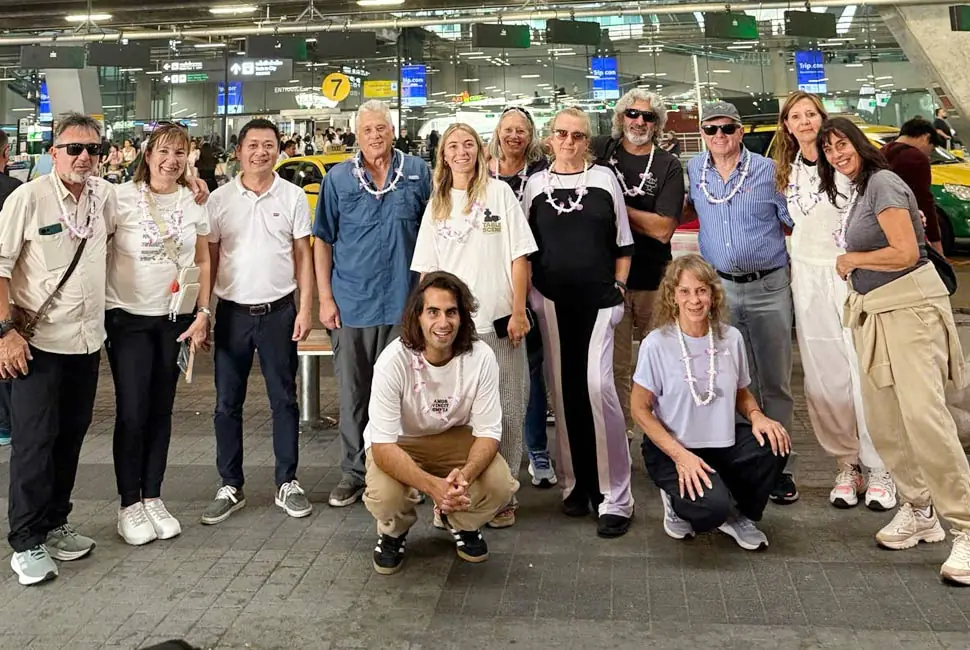
Designing the right itinerary requires more than selecting destinations; it requires understanding flow, timing, and travel style. Asia Eyes Travel DMC Vietnam supports travelers seeking well-structured Thailand tours that balance culture, cuisine, and coastal relaxation. Whether you are considering a classic Bangkok and island holiday or exploring Northern Thailand Tours for a deeper cultural experience, our team ensures your journey is seamless and thoughtfully paced.
Contact Asia Eyes Travel today via email at info@asiaeyestravel.com or WhatsApp at +84 935 946 688.
Discover Central and Southern Thailand in 15 Days
Explore the Best of Thailand in 10 Days
9 Days Exploring the Wonders of Northern Thailand
10-day Northern Thailand itinerary
Explore the Best of Thailand in 16 Days