Yes, Vietnam is generally very safe at night and is widely considered one of the safest destinations in Asia for international travelers. Violent crime against tourists is rare, and major cities such as Hanoi and Ho Chi Minh City remain lively and well-lit well into the evening. It is common to see local residents and visitors enjoying Hanoi street food, cafés, restaurants, night markets, and nightlife activities late at night.
One of the things many travelers appreciate about Vietnam is the vibrant atmosphere after dark. Whether you are exploring the bustling streets of Hanoi's Old Quarter, enjoying rooftop bars in Ho Chi Minh City, or taking an evening stroll through Hoi An's lantern-lit Ancient Town, you will often find plenty of people out socializing, dining, and relaxing.
As with any destination, visitors should take normal precautions, such as keeping an eye on personal belongings in crowded areas and being aware of traffic when crossing busy streets. However, most travelers find Vietnam to be a welcoming, friendly, and comfortable place to explore both during the day and at night.
Yes. Vietnam street food is generally safe and is one of the most exciting experiences for travelers visiting Vietnam. From pho and banh mi to fresh seafood and regional specialties, Vietnamese street food offers a fantastic opportunity to discover the country's rich culinary culture and is something you should not miss during your trip.
To enjoy street food safely, choose busy vendors with a high turnover of customers, freshly prepared dishes, and good hygiene practices. It is also recommended to drink bottled water and avoid ice from unknown sources.
Popular destinations such as Hanoi, Hue, Hoi An, Da Nang, and Ho Chi Minh City are home to many reputable street food stalls and local eateries that are enjoyed by both locals and international visitors.
Most American and international travelers enjoy Vietnam’s street food without any significant issues and often consider it one of the highlights of their journey. By following a few simple precautions and choosing trusted food vendors, you can confidently explore and enjoy the incredible flavors that make Vietnamese cuisine famous around the world.
No. Vietnam is widely regarded as one of the most affordable destinations in Asia for American travelers. Compared to many countries in North America and Europe, Vietnam offers outstanding value for money, with quality accommodations, delicious cuisine, convenient transportation, professional guided tours, and unique cultural experiences.
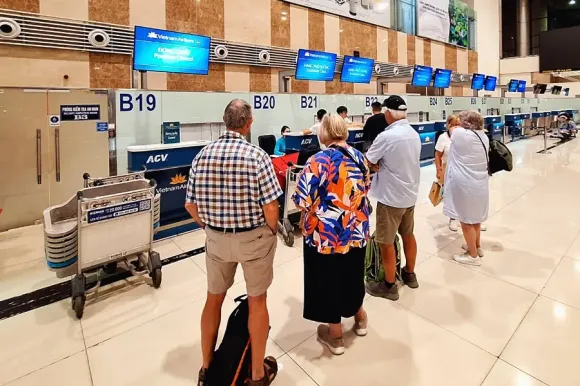
Travelers can enjoy 4 to 5-star hotels, domestic flights, sightseeing tours, and world-famous Vietnamese food at costs significantly lower than in the United States. Whether you are looking for a budget-friendly trip or a luxury holiday, Vietnam offers options to suit every travel style and preference.
For a well-planned Vietnam itinerary of 14 to 18 days, most American travelers typically spend between USD 1,800 and USD 4,000 per person includes domestic flight tickets, depending on hotel category, cruise selection, travel season, and level of customization.
At Asia Eyes Travel, we help travelers maximize their budget by creating personalized itineraries tailored to their interests and travel style. From luxury Halong Bay cruises to beautiful beach resorts in Central Vietnam and Phu Quoc, Vietnam offers unforgettable experiences at a cost that is often much lower than many other international destinations.
Yes, American travelers as well as visitors from all over the world can use credit cards in Vietnam, and they are widely accepted in most tourist areas.
Hotels, resorts, airlines, travel companies, upscale restaurants, shopping malls, and tour operators in major cities such as Hanoi, Da Nang, Hoi An, and Ho Chi Minh City commonly accept Visa and Mastercard, and in some cases American Express.
However, cash is still very important in Vietnam. Small local restaurants, street food vendors, markets, taxis, and rural areas often prefer cash payments in Vietnamese Dong (VND). ATMs are widely available in cities and tourist destinations, making it easy to withdraw cash when needed.
For a smooth travel experience, most American travelers use a combination of credit cards for larger expenses and cash for daily spending. It is also recommended to inform your bank before traveling to avoid any issues with international transactions.
The Vietnamese people do not have a single unified view of the Vietnam War (often referred to as the “American War”). For many, it is seen as a struggle for national independence and reunification. Many families were directly affected, so memories of the war are still closely associated with loss and suffering, not only for Vietnamese people but also for American soldiers and forces from other countries who participated in the conflict in Vietnam.
However, this is part of history. Today, Vietnamese people are widely known for being friendly, hospitable, and open to international visitors. While the past is not forgotten, Vietnam now focuses on peace, reconciliation, and cooperation with the United States and countries around the world, contributing to a more developed, stable, and increasingly integrated nation.
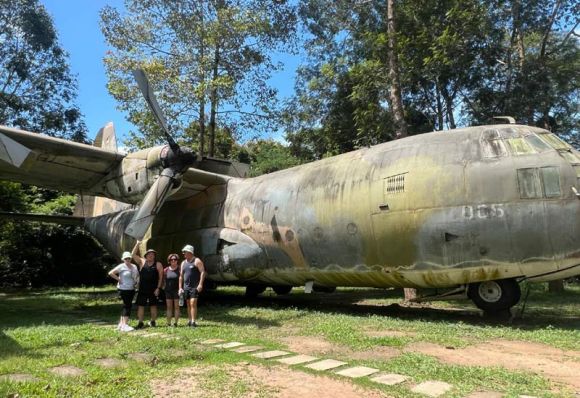
In addition to traditional Vietnam tour packages, many American travelers especially veterans and those interested in history often choose to visit meaningful historical sites and cultural landmarks across the country.
Popular destinations include war related museums, former battlefields, and historical regions such as the Central Vietnam DMZ area, Vinh Moc Tunnels, and Cu Chi Tunnels near Ho Chi Minh City. These sites offer a deeper understanding of Vietnam’s history during the wars with France and the United States.
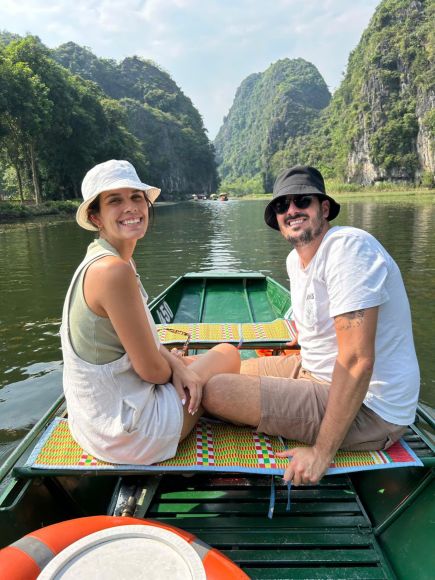
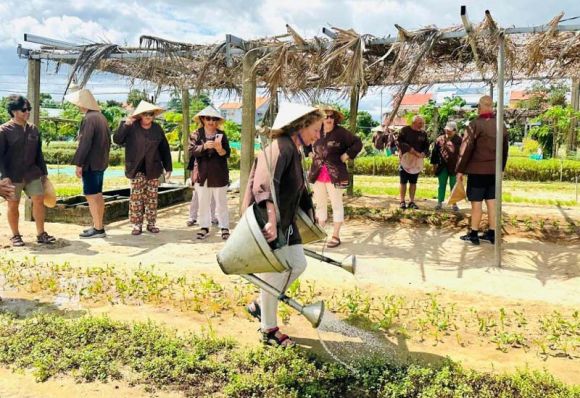
Beyond historical travel, many visitors also explore iconic destinations such as Hanoi, Halong Bay, Hue, Hoi An, Da Nang, Ho Chi Minh City, and the Mekong Delta to experience Vietnam’s culture, landscapes, and daily life.
For travelers interested in historical and war related tours in Vietnam, Asia Eyes Travel can design customized itineraries tailored to your interests, ensuring a meaningful, educational, and unforgettable journey throughout Vietnam.
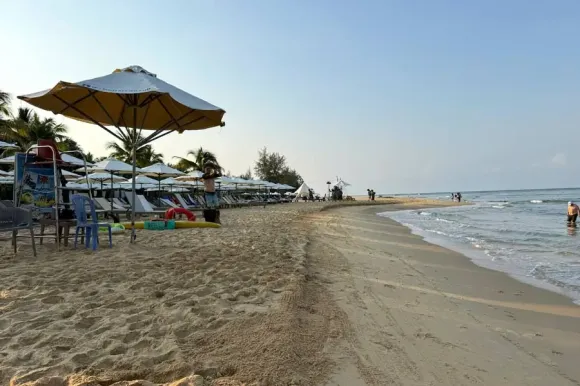
15 Days Vietnam Private Tour for Seniors
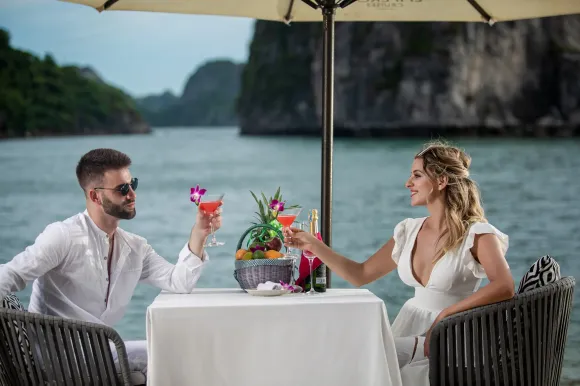
Luxury Vietnam Honeymoon 15 Days
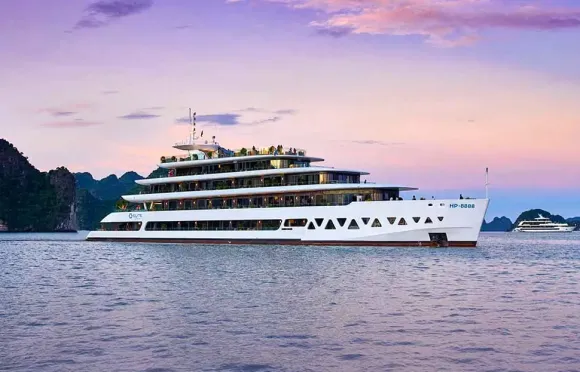
18-Day Vietnam Heritage, Culture & Beach Holiday
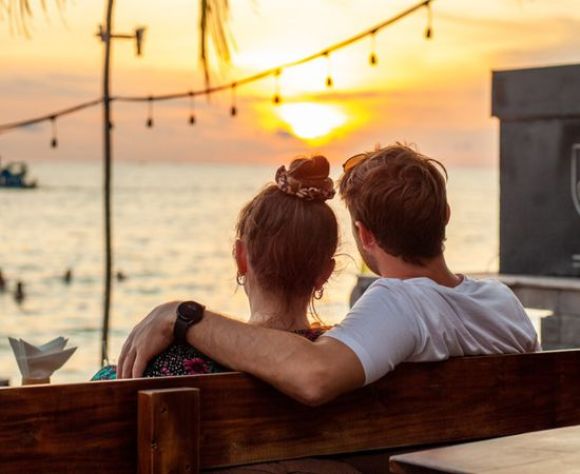
Vietnam Honeymoon Package 9 Days
Luxury Vietnam Tour 10 Days for Seniors
Romantic Vietnam 15 Days for Couple
Vietnam Beach Vacation Package 16 Days
Luxury Vietnam Tour 12 Days for Seniors