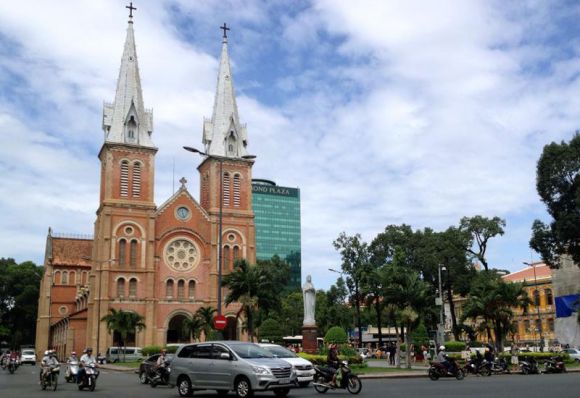



Cu Chi Tunnels

The Cu Chi Tunnels are one of the most fascinating historical attractions near Ho Chi Minh City and an important destination for travelers interested in Vietnam’s wartime history. Located about 70 kilometers northwest of the city center, this extensive underground tunnel network offers a unique insight into how Vietnamese soldiers and local communities lived and operated during the Vietnam War.

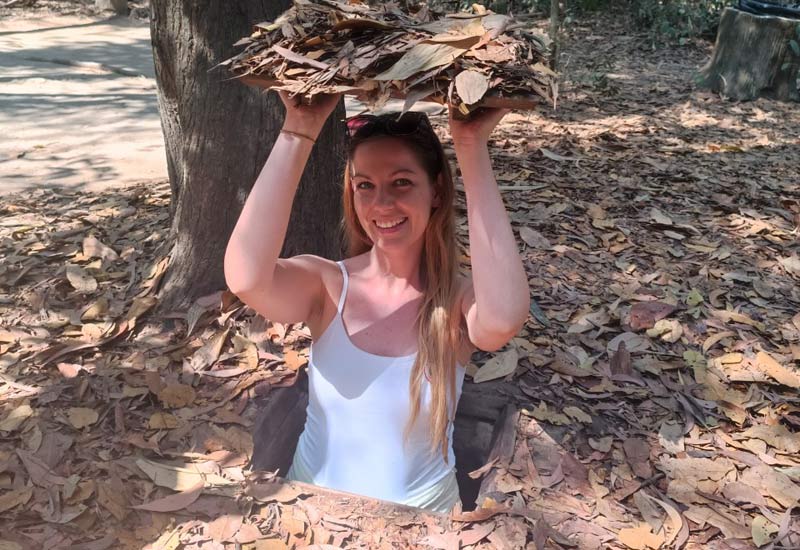
The Cu Chi Tunnels system includes narrow underground passages, meeting rooms, kitchens, storage areas, and other facilities. During a visit, you can explore parts of the tunnels, learn about the ingenious ways the network was constructed, and discover how people survived underground during difficult wartime conditions.
Cu Chi Tunnels - Explore History, Attractions, and Travel Tips

Cu Chi Tunnels

A Brief History: From Resistance to Legend

The Cu Chi Tunnels were first carved in the late 1940s, during Vietnam’s fight for independence from French colonial rule. But it was during the Vietnam War (1955–1975) that they evolved into a vast underground labyrinth, earning a legendary reputation.

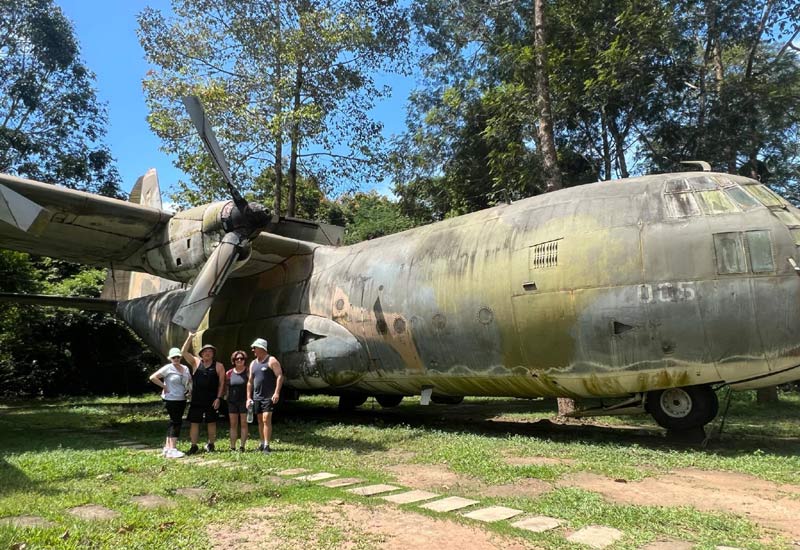
By the height of the war, the tunnels extended over 250 kilometers. They connected command centers, hospitals, kitchens, living quarters, and weapon storage areas. At times, entire communities lived below ground, sometimes for months at a stretch, enduring cramped conditions, disease, and near-constant danger.

These tunnels were a lifeline for the Viet Cong guerrillas, enabling them to launch surprise attacks, move troops and supplies, and survive overwhelming U.S. bombing campaigns.

Today, Cu Chi stands not just as a war relic, but as a tribute to the determination and inventiveness of ordinary people under extraordinary circumstances.
 

Cu Chi Tunnels - Explore History, Attractions, and Travel Tips

The Ingenuity Beneath the Surface

The Cu Chi Tunnels are a marvel of human resourcefulness. Designed to withstand both military and environmental threats, they were:

  • Extremely narrow - often just 60–70 cm wide and 80–90 cm high, barely enough for a person to crawl through.
  • Multi-layered - with some areas going as deep as 10 meters underground.
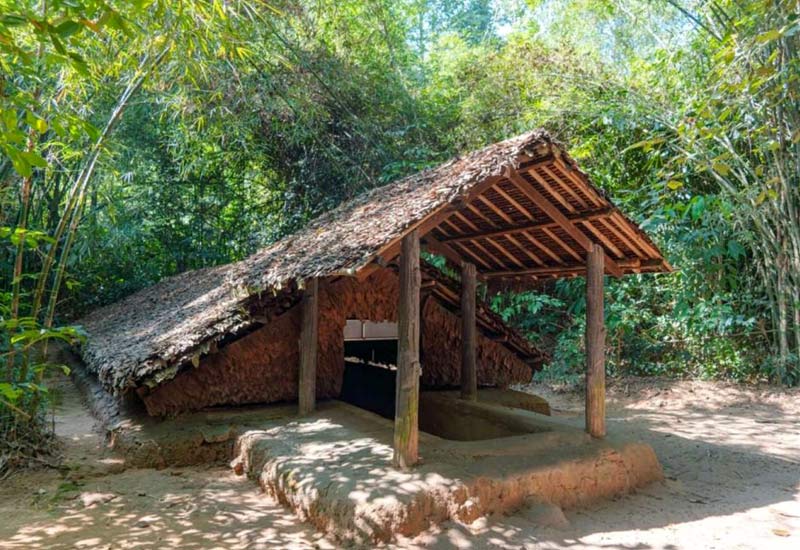
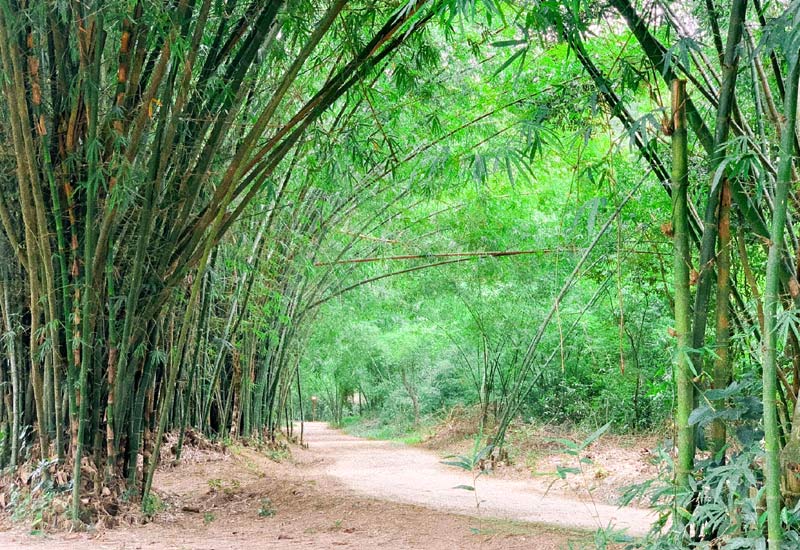
  • Expertly camouflaged - entrances were hidden under bushes or inside termite mounds, air vents disguised as natural holes.
  • Equipped with traps and defenses - from bamboo spike pits to swinging doors and hidden grenades.
  • Home to smokeless kitchens - known as Hoang Cam stoves, designed to disperse smoke over long distances, making detection from the air nearly impossible.

Walking through these tunnels today, you can’t help but marvel at the determination and creativity of those who built and survived in them.
 

Cu Chi Tunnels - Explore History, Attractions, and Travel Tips

Cu Chi Tunnels

What to Do at Cu Chi Tunnels: Top Experiences

Crawl through the tunnels

This is the ultimate Cu Chi experience - squeezing through a section of tunnel (some widened for tourists) to feel the darkness, heat, and claustrophobic space that fighters once called home. It’s intense but unforgettable.

See hidden trapdoors

Guides will show you the ingenious camouflage methods used to conceal tunnel entrances. Trying to spot them yourself is surprisingly hard - a reminder of just how effective these tactics were.

Explore deadly booby traps

Cu Chi’s defenses were simple but brutally effective. You’ll see displays of bamboo spike pits, swinging traps, and hidden door traps, all designed to injure or deter enemy soldiers.

Visit the shooting range

For an additional fee, visitors can fire historical weapons like AK-47s, M16s, and machine guns. It’s noisy, thrilling, and very popular - though optional for those more interested in history than adrenaline.

Taste wartime food

Before leaving, don’t miss sampling boiled cassava with sesame salt - a humble but symbolic dish that kept guerrilla fighters alive underground.

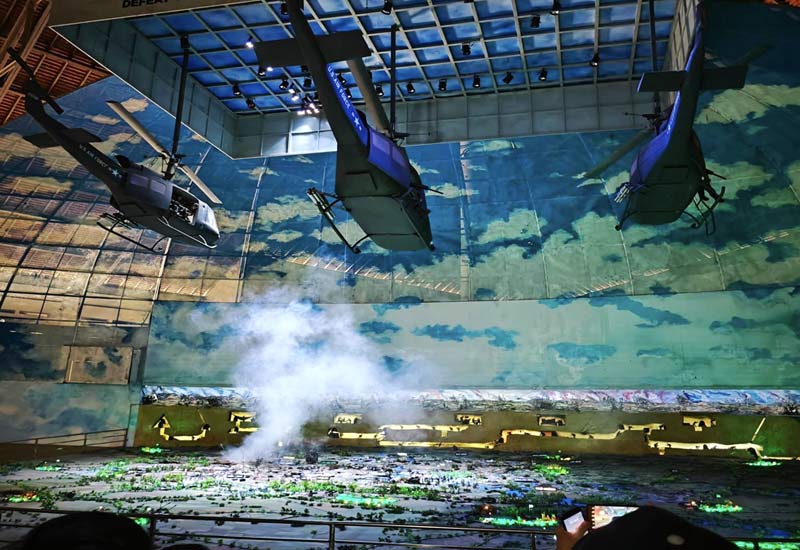
Watch the war documentary

Short films (about 15–20 minutes) provide crucial context, showing archival footage and explaining the tunnels’ historical significance.

Visit the Ben Duoc Memorial Temple

This less-touristy section of Cu Chi includes a solemn memorial honoring tens of thousands of Vietnamese who died in the area - a powerful and often overlooked stop.
 

Cu Chi Tunnels - Explore History, Attractions, and Travel Tips

Cu Chi Tunnels

By Group Tour or Private Tour

  • Group Tour: An easy and convenient option for visiting the Cu Chi Tunnels, with half-day and full-day tours available from Ho Chi Minh City.
  • Private Tour: A more flexible and comfortable choice, allowing you to customize the schedule, travel by private car, and explore at your own pace.
  • Some tours can combine the Cu Chi Tunnels with the Mekong Delta or Cao Dai Temple.
  • Tours may include hotel pickup, an experienced English-speaking guide, transportation, and entrance fees.
  • My advice: A private tour is often the better choice for families, couples, and senior travelers who prefer comfort, flexibility, and a relaxed schedule.

Check Out Our Cu Chi Tunnels Tours: https://asiaeyestravel.com/half-day-cu-chi-tunnels-from-ho-chi-minh
 

Cu Chi Tunnels - Explore History, Attractions, and Travel Tips

Best Time to Visit Cu Chi Tunnels

  • Best time: December–April (dry season) when tunnels are dry and easier to navigate.
  • Avoid: May–October (rainy season) when they can get muddy and slippery.
  • Opening hours: 7:00 AM–5:00 PM daily.
  • Recommended visit length: 3-4 hours onsite; half-day tour or combine with another destination for a full day.

Insider Tips for Visitors

  • Wear lightweight, breathable clothes and closed-toe shoes (no sandals!).
  • Bring water, especially in the dry season.
  • If you’re claustrophobic, skip the tunnels — there’s plenty to see above ground.
  • Bring cash for entrance fees, shooting range, or souvenirs.
  • Go early in the day to avoid tour bus crowds.
  • Hire a local guide for the best stories and insights — many guides are veterans or children of veterans.


Cu Chi Tunnels - Explore History, Attractions, and Travel Tips

30/4/2025 – 50 Years of Liberation: A Historic Milestone

This year, Vietnam commemorates the 50th anniversary of the Liberation of Saigon on April 30, 2025 - a momentous event marking the end of the Vietnam War and the reunification of the country.

For Cu Chi Tunnels, this anniversary carries profound meaning. The tunnels stand as a silent witness to decades of struggle, sacrifice, and ultimate victory. Visitors coming in 2025 will feel a deeper resonance: walking through these tunnels, you’re not just exploring a historic site - you’re stepping into the very heart of a nation’s journey toward peace and independence.

Special events, exhibitions, and commemorative ceremonies are expected across Ho Chi Minh City and Cu Chi, offering travelers a once-in-a-lifetime chance to experience Vietnam’s past and present coming together.

Experience Vietnam’s History with Purpose

If you’re fascinated by the Vietnam War and wish to connect more deeply with the country’s past, consider joining a specialized journey with Asia Eyes Travel. Their Vietnam War Memories Tours go beyond standard sightseeing, offering travelers curated experiences at historic sites like Cu Chi Tunnels, the War Remnants Museum, the Demilitarized Zone (DMZ), and more.

With expert guides, personal stories, and meaningful encounters, these tours help visitors not just see history - but feel and understand it. Traveling with Asia Eyes Travel means you walk away with profound insights, unforgettable memories, and a deeper connection to Vietnam’s resilience.

Looking for a Half-Day Trip to Cu Chi?

Looking for a Half-Day Cu Chi Tunnels Tour from Ho Chi Minh City? Asia Eyes Travel offers customizable tours with experienced local guides and private transportation.

Contact Asia Eyes Travel to customize your Cu Chi Tunnels tour.


Contact Us
Related Tours

Related Posts

Best Street Food in Ho Chi Minh City You Should Not Miss

Planning a trip to Ho Chi Minh City and wondering which street food you should try? Ho Chi Minh City is widely regarded as Vietnam's street food capital, where every neighborhood offers delicious local specialties served from busy food stalls, traditional eateries, and lively night markets. This guide introduces the best street food in Ho Chi Minh City you should not miss, from iconic favorites like Banh Mi, Pho, Com Tam, and Hu Tieu to authentic Southern Vietnamese specialties and Vietnam's famous iced coffee. If you're joining one of our Ho Chi Minh City tours or a guided Ho Chi Minh City Food Tour, these local dishes deserve a place on your itinerary. At Asia Eyes Travel, we believe exploring the city's street food is one of the most memorable ways to experience its culture, history, and everyday life.
Read more

Best Time to Visit Ho Chi Minh city

Planning a trip to Ho Chi Minh City and wondering when to go? Ho Chi Minh City is a year-round destination, with warm temperatures and exciting experiences in every season. December to March is generally considered the most comfortable period for sightseeing and outdoor tours, thanks to lower humidity and minimal rainfall. If you're planning to join Ho Chi Minh City Tours, including the Cu Chi Tunnels, the Mekong Delta, or guided city tours, understanding the seasonal weather will help you choose the most suitable travel dates. In this guide, Asia Eyes Travel shares practical local insights to help you plan the perfect time to visit Southern Vietnam.
Read more

Ho Chi Minh City Travel Tips

Ho Chi Minh City is Vietnam’s largest and busiest urban destination, known for its energetic streets, historic landmarks, diverse food scene, cafés, and lively nightlife. For first-time visitors, the city can feel fast-paced at first, especially because of the heavy motorbike traffic, hot weather, and busy streets. A little preparation makes it much easier to enjoy the city without feeling overwhelmed. For travelers planning Ho Chi Minh City tours, choosing a convenient area to stay, understanding local transport, planning activities around the weather, and knowing how to cross busy streets are all useful. With local advice from Asia Eyes Travel DMC Vietnam, travelers can make practical choices before arriving. Contact us for advice on planning your Ho Chi Minh City itinerary.
Read more

Ho Chi Minh City Travel Experiences

Ho Chi Minh City Travel Experiences go far beyond visiting famous landmarks. For first-time Western travellers, the city is best experienced through a mix of history, street food, local markets, Vietnamese coffee and lively neighbourhoods. Explore historic sites in the city centre, taste local dishes at small eateries, discover the atmosphere of Cho Lon or experience Ho Chi Minh City after dark. You can also venture beyond the centre to the Cu Chi Tunnels or combine sightseeing with a local cooking and market experience. With the right itinerary, Ho Chi Minh City Tours can bring together culture, food, history and everyday local life in a way that feels authentic and easy to enjoy. Contact Asia Eyes Travel DMC Vietnam for practical travel advice.
Read more

Top 10 Attractions in Ho Chi Minh City

Ho Chi Minh City is one of Vietnam’s most exciting destinations, with a mix of historic landmarks, cultural attractions, busy markets and modern city life. The War Remnants Museum, Independence Palace, Ben Thanh Market, Central Post Office and Notre-Dame Cathedral Basilica area are among the best-known places to visit, while other attractions reveal different sides of the city’s history and local culture. This guide to the Top 10 Attractions in Ho Chi Minh City brings together the most popular sights to help you plan your visit more easily. You can explore them independently or include several highlights in Ho Chi Minh City tours, depending on your interests and available time. Contact Asia Eyes Travel for practical advice on planning your city sightseeing.
Read more
share
CHAT WITH US