Planning a trip to Ha Giang is about much more than simply riding the famous Ha Giang Loop. Choosing the right place to stay, deciding how many days to spend, understanding the best travel season, arranging transportation from Hanoi, and knowing what local food to try can all make a big difference to your experience. In this Ha Giang Travel Guide, Asia Eyes Travel brings together practical local advice to help you plan a smoother, safer, and more rewarding journey through one of Northern Vietnam's most spectacular mountain regions.
Choosing the right place to stay depends on how you plan to experience Ha Giang. For first-time visitors, Ha Giang City is the ideal starting point, offering a wide selection of hotels, boutique stays, restaurants, cafés, and motorbike rental services before beginning the journey into the mountains.
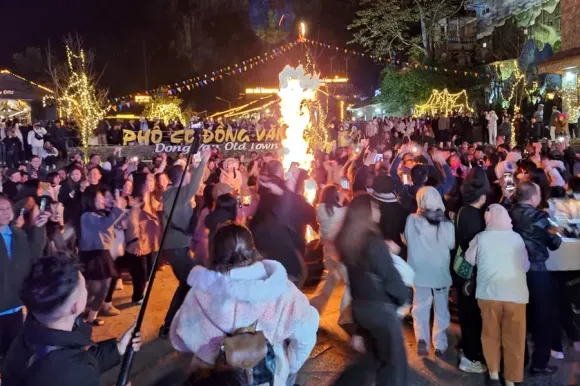
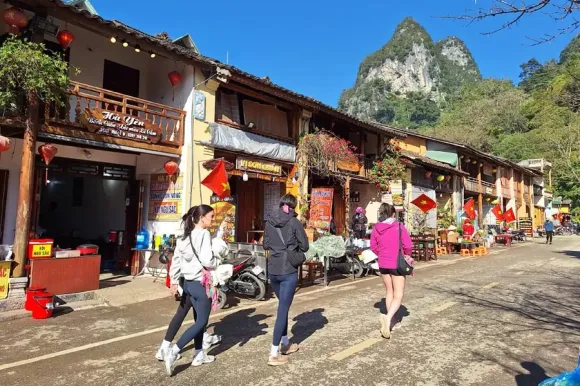
Many travellers spend their second night in Dong Van, where you can enjoy the atmosphere of the historic Old Quarter while staying close to some of the region's most famous attractions, including Ma Pi Leng Pass, the Nho Que River, and the Dong Van Karst Plateau UNESCO Global Geopark.
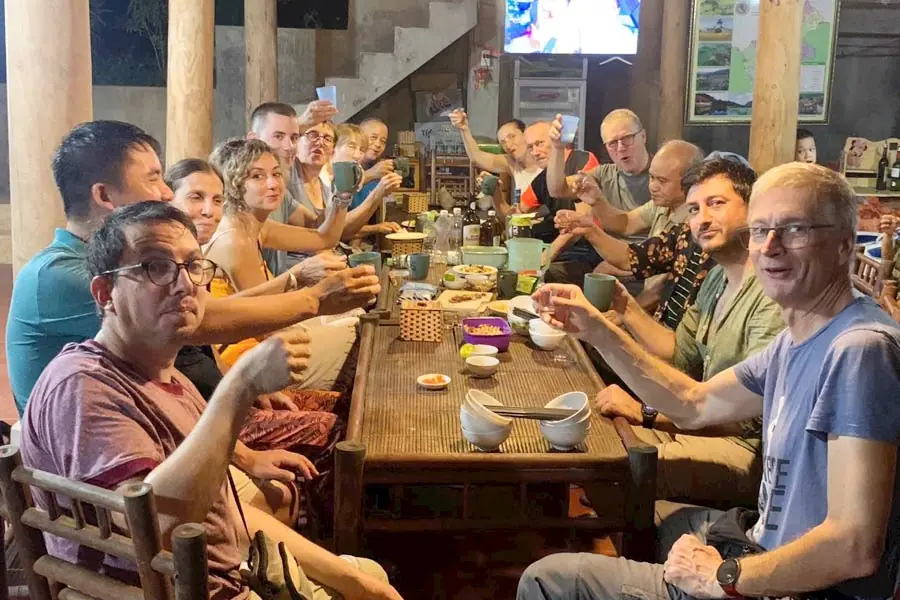
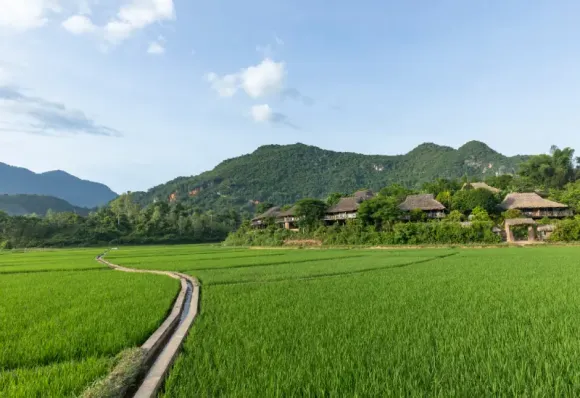
If you prefer a quieter and more relaxing experience, Du Gia has become one of the most popular overnight stops. Surrounded by rice fields, forested mountains, and the beautiful Du Gia Waterfall, the village offers a slower pace of travel and authentic homestay experiences that many international visitors consider a highlight of their journey.
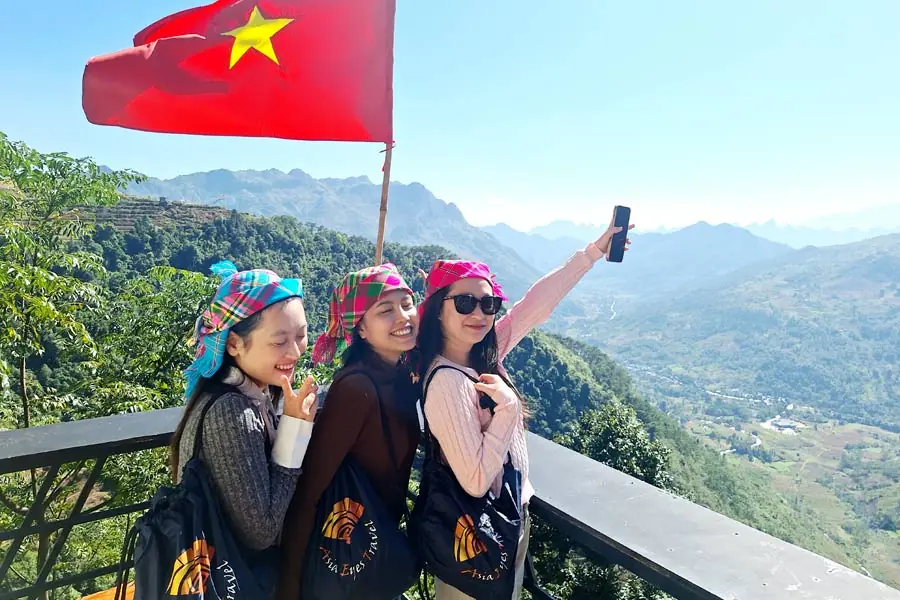
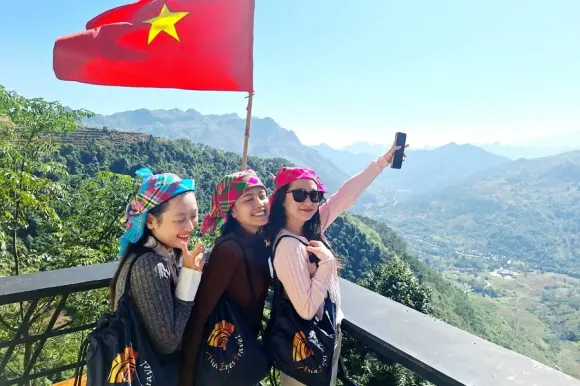
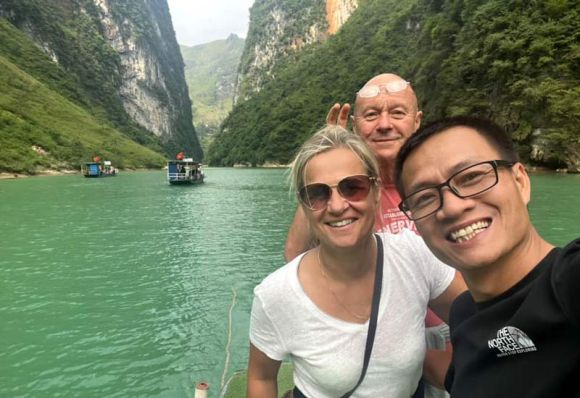
Ha Giang is home to some of the most spectacular mountain scenery in Southeast Asia. The breathtaking Ma Pi Leng Pass offers dramatic views over deep valleys and winding mountain roads, while a boat trip along the emerald-green Nho Que River provides a completely different perspective of the surrounding limestone cliffs.
Further north, Lung Cu Flag Tower marks Vietnam's northern frontier and rewards visitors with panoramic views across the highlands. Dong Van Old Quarter preserves the charm of a traditional mountain trading town, while the Hmong King's Palace offers a fascinating insight into the region's unique history and architecture. For travellers seeking quieter landscapes, Du Gia, Tham Ma Pass, and the colourful weekend markets provide unforgettable experiences beyond the main tourist route.
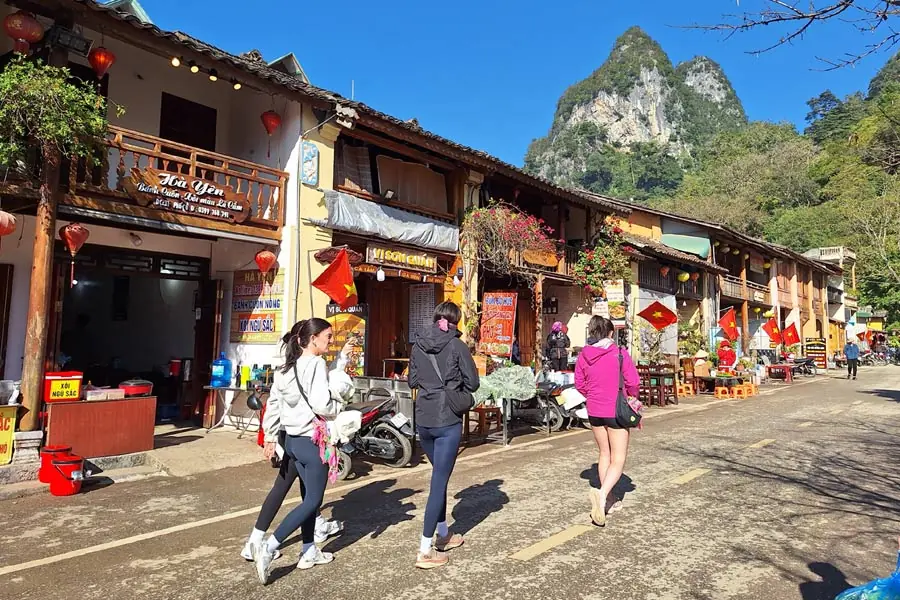
The best time to visit Ha Giang depends on the experience you are looking for. From March to May, the mountains are covered with fresh greenery and colourful spring blossoms, while the weather is generally mild and comfortable for sightseeing. Late August to early October is the most beautiful time to admire the region's famous golden rice terraces, especially around Hoang Su Phi. If you want to see the iconic pink buckwheat flowers, plan your visit between late October and November. These months also offer some of the best weather for enjoying the spectacular Ha Giang Loop, with cooler temperatures and clear mountain views.
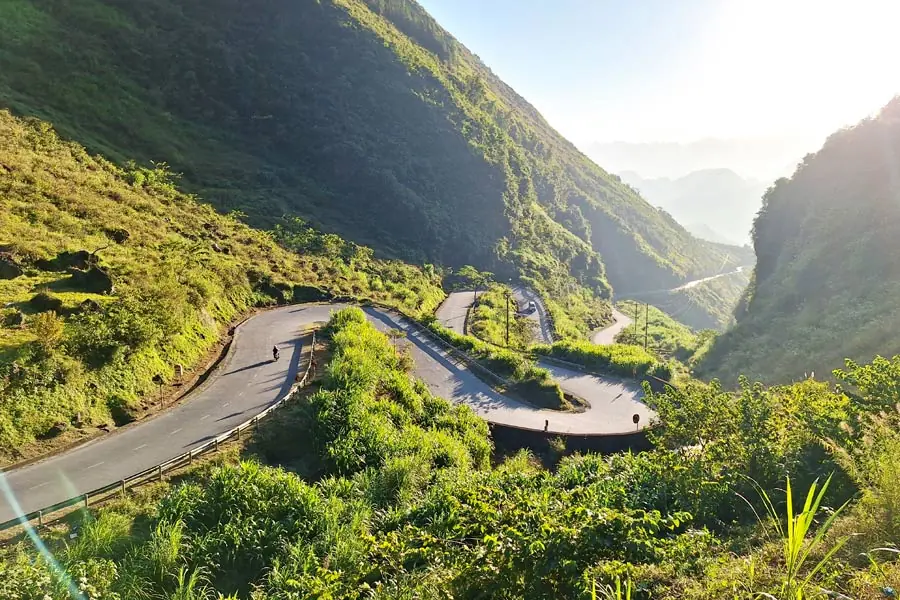
Most travellers spend three to four days exploring Ha Giang, allowing enough time to enjoy the mountain scenery without feeling rushed. A three-day itinerary covers many of the region's highlights, including Quan Ba, Yen Minh, Dong Van, Ma Pi Leng Pass, and Meo Vac. If you prefer a slower pace or would like to spend time in places such as Du Gia or Hoang Su Phi, four or five days offers a much more relaxed experience. The longer you stay, the more opportunities you'll have to experience local culture, scenic viewpoints, and authentic mountain life.
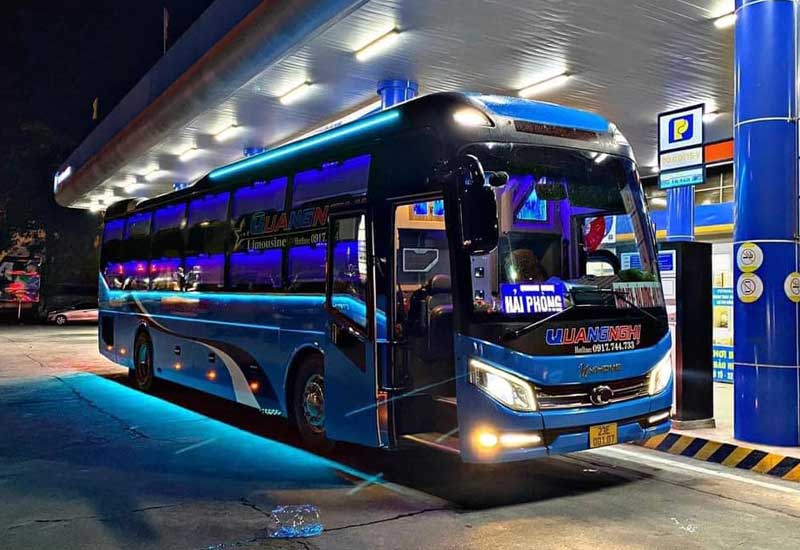
Travelling from Hanoi to Ha Giang is straightforward, with several transportation options available every day. Sleeper buses are the most popular and economical choice, while limousine buses provide additional comfort with fewer passengers and more spacious seating. Travellers seeking greater flexibility often choose a private car with an experienced driver, making the journey more comfortable while allowing convenient hotel pick-up in Hanoi. Most services depart from the Hanoi Old Quarter, making it easy to begin your adventure into the mountains.
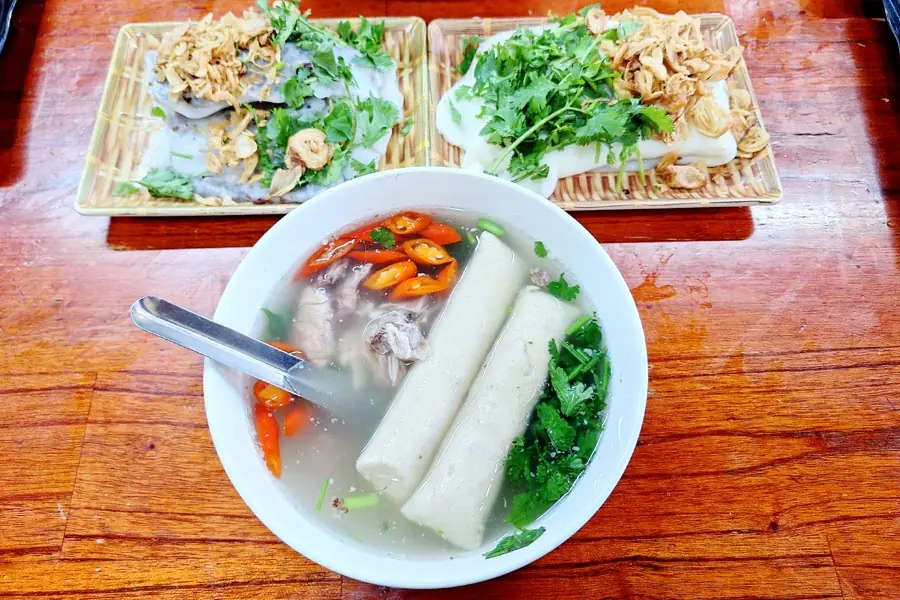
One of the highlights of visiting Ha Giang is experiencing its distinctive mountain cuisine. Popular local specialties include Thang Den, Banh Cuon Ha Giang, Five-Coloured Sticky Rice, Com Lam (bamboo sticky rice), grilled pork, smoked buffalo meat, and the famous local black chicken. Many of these dishes are prepared using fresh mountain ingredients and traditional recipes that have been passed down through generations. Enjoying local food at family-run restaurants or homestays is one of the best ways to experience the culture of Ha Giang beyond its breathtaking landscapes.
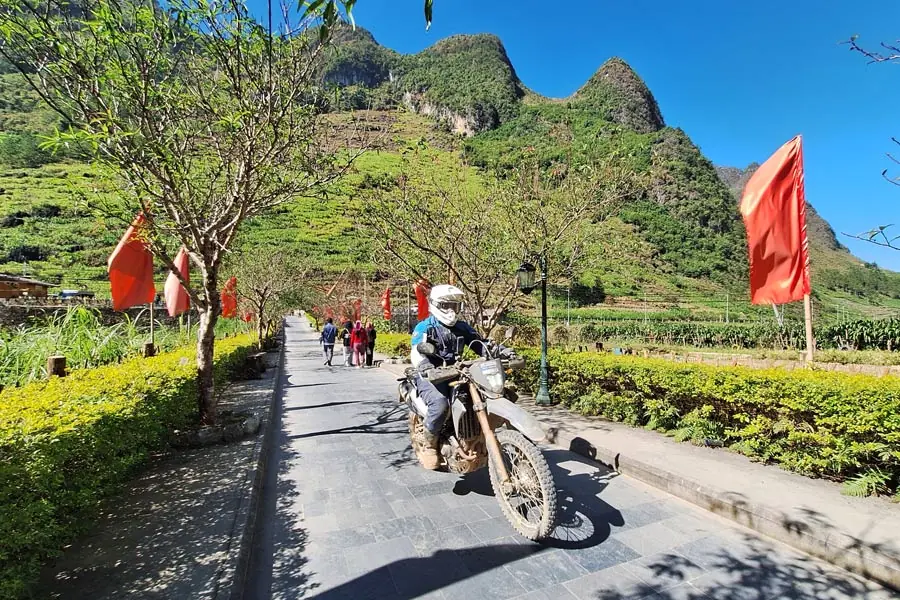
The Ha Giang Loop is the highlight of any trip to Ha Giang, but it is not the only way to experience the region. Confident riders often choose to explore the mountains by motorbike, while many international travellers prefer joining an Easy Rider tour with an experienced local guide. Families, couples, and senior travellers frequently enjoy the journey by private car, offering the same spectacular scenery with greater comfort and flexibility. Whichever option you choose, the incredible mountain passes, peaceful villages, and breathtaking landscapes remain the true highlights of the experience.
A little preparation can make your journey through Ha Giang much more enjoyable. Allow at least three days to explore the region without rushing, book your accommodation early during the busiest travel seasons, and always check the weather forecast before setting off into the mountains. Carry enough cash before leaving Ha Giang City, as many small cafés, local restaurants, and homestays in remote areas still prefer cash payments. Most importantly, travel at a relaxed pace, respect local customs, and take time to enjoy the scenery rather than simply completing the route.
Looking for the perfect Ha Giang tour? Contact Asia Eyes Travel for personalized itineraries, expert local advice, and competitive travel prices. Our experienced team is ready to help you experience the breathtaking Ha Giang Loop and the very best of Northern Vietnam, creating a journey that matches your travel style, interests, and schedule.

Authentic North Vietnam Tour 8 Days

11-Day Northern Vietnam Tour Package
7-Day Ethnic Culture & Mountain Adventure
North Vietnam Itinerary 7 Days
Northern Vietnam Tour 5 Days ( From Hanoi )