


Fansipan Mountain
Vietnam's Highest Peak & Mountain Adventures
- Home /
- Blog /
- Vietnam Travel Guide /
- Sapa, Vietnam /
- Fansipan Mountain
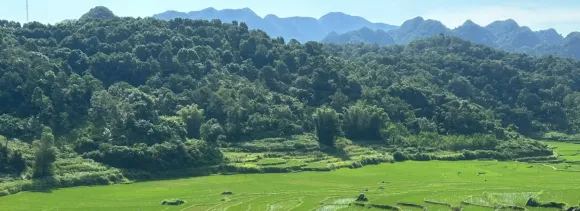
Towering over the misty valleys of northern Vietnam, Fansipan Mountain is the tallest peak in Indochina and one of the top highlights of any Sapa travel itinerary. Whether you're an avid trekker or simply chasing panoramic views, Fansipan offers an unforgettable experience that pairs perfectly with the region's famous rice terraces and ethnic villages. This guide breaks down everything you need to know, and if you're ready to explore, Asia Eyes Travel offers a range of Sapa tours to help you make the most of your trip.
Fansipan sits within Hoang Lien National Park, about 9 km southwest of Sapa town in Lao Cai Province. Standing at 3,147 meters, it's often called the "Roof of Indochina" for being the highest point in Vietnam, Laos, and Cambodia combined. Its dramatic peak, surrounded by dense forests and cascading terraces, has made it a bucket-list destination for travelers visiting northern Vietnam.
There are two main ways to reach the top of Fansipan. The Fansipan Cable Car, one of the longest three-rope cable systems in the world, whisks visitors from Muong Hoa Valley to near the summit in about 15 minutes, offering sweeping views of terraced valleys along the way. For those seeking a more adventurous route, a multi-day trek through forest trails and mountain villages leads all the way to the top - a rewarding challenge for experienced hikers.
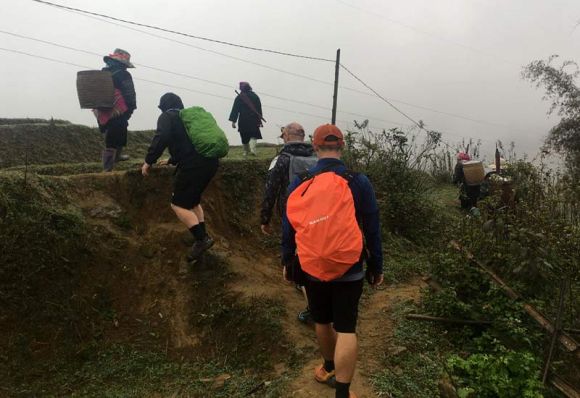
Trekking to Fansipan typically takes two to three days, depending on the chosen route and starting point. Popular trails begin from Tram Ton Pass or Sin Chai Village, winding through bamboo forests, streams, and ever-changing weather conditions. Along the way, trekkers often pass through small H'mong settlements, adding a cultural dimension to the physical challenge. Hiring an experienced local guide is highly recommended for safety and navigation.
The ideal months for trekking Fansipan are from September to November and March to May, when the weather is drier and visibility is at its best. Winter months can bring freezing temperatures and even frost or snow near the summit, while the rainy season (June to August) makes trails slippery and more difficult to navigate.
Dress in layers, as temperatures drop significantly near the summit even in warmer months. Comfortable trekking shoes are essential if hiking, while cable car visitors should still bring a light jacket for the higher altitude. Start early in the day to avoid clouds rolling in and to enjoy clearer mountain views.
Looking for the perfect Sapa tours? Contact Asia Eyes Travel for personalized itineraries, expert local advice, and competitive travel prices. Our experienced team is ready to help you explore the breathtaking rice terraces, traditional ethnic villages, and spectacular mountain landscapes that make Sapa one of Vietnam's most unforgettable destinations.
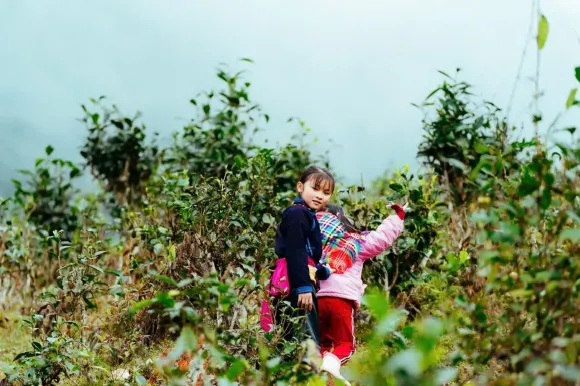
Bac Ha Sunday Market Day Trip from Sapa

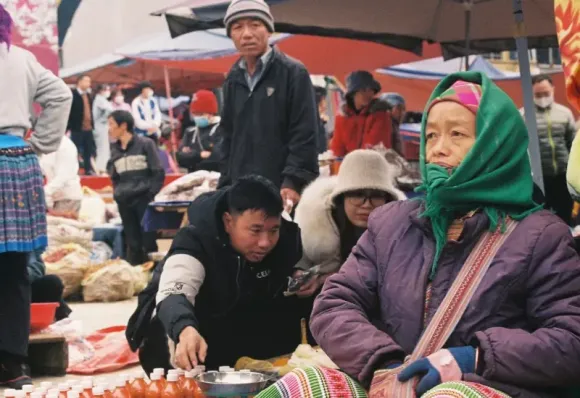
Full Day Trip to Coc Ly Tuesday Market Tour from Sapa
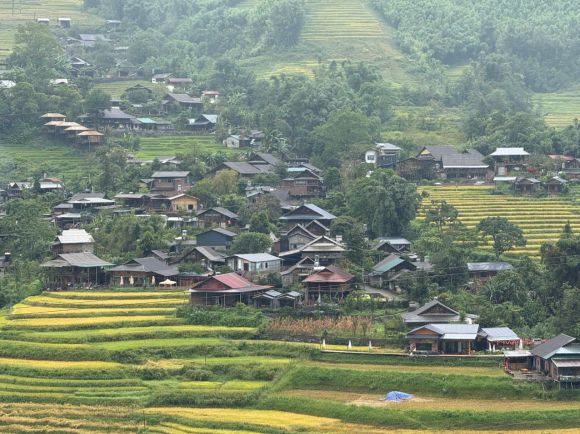
Sapa Highlights in 2 Days and 2 Nights from Hanoi
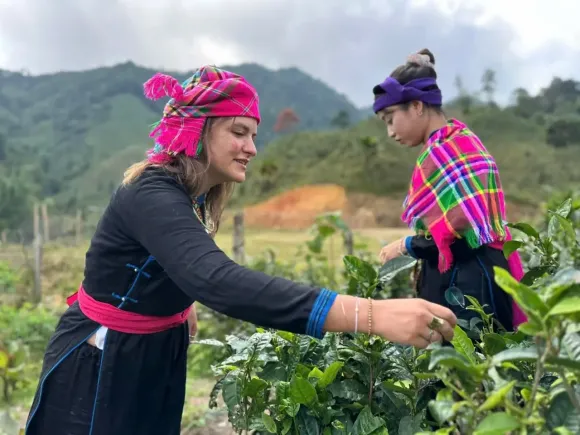
Muong Hum Sunday Market Day Trip from Sapa
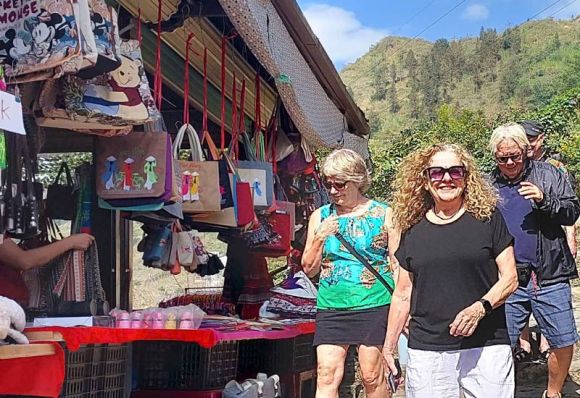
2-Day Sapa Adventure with Bac Ha Market (On Sunday only)
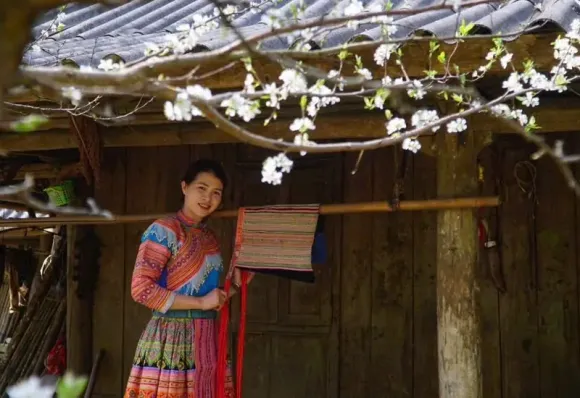
Can Cau Market Tour from Sapa (Saturday Market Tour)
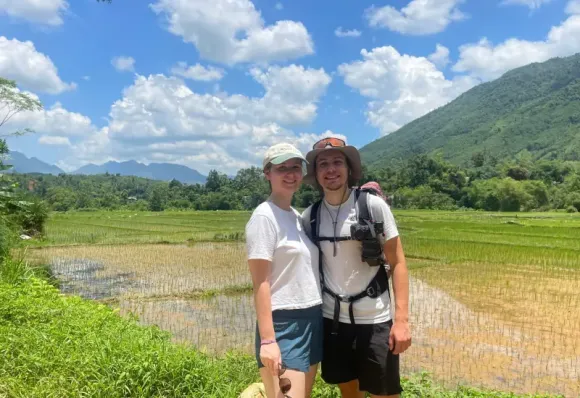
Sapa Homestay Tour 2 Days - Tour starts from Sapa