Do Temple (Den Do), also known as Ly Bat De Temple, is one of the most important historical sites associated with the Ly Dynasty in northern Vietnam. Located in Tu Son Ward, Bac Ninh, in the historic Kinh Bac region, the temple is dedicated to the eight kings of the Ly Dynasty and offers a fascinating insight into the history behind Thang Long, the ancient capital of Vietnam.
The temple is closely connected with Ly Thai To, founder of the Ly Dynasty, who moved the capital from Hoa Lu to Thang Long in 1010. This important decision shaped the development of Hanoi and established a lasting connection between the capital and the Kinh Bac region.
Do Temple, Bac Ninh
Today, Do Temple is a peaceful complex of traditional Vietnamese architecture, courtyards, gardens and religious buildings. One of its most recognizable features is Ngu Long Mon, or the Five-Dragon Gate, decorated with elaborate dragon carvings reflecting traditional Vietnamese royal symbolism. Inside, you can see the main sanctuary dedicated to the eight Ly emperors, along with traditional altars and architectural details preserved through generations.
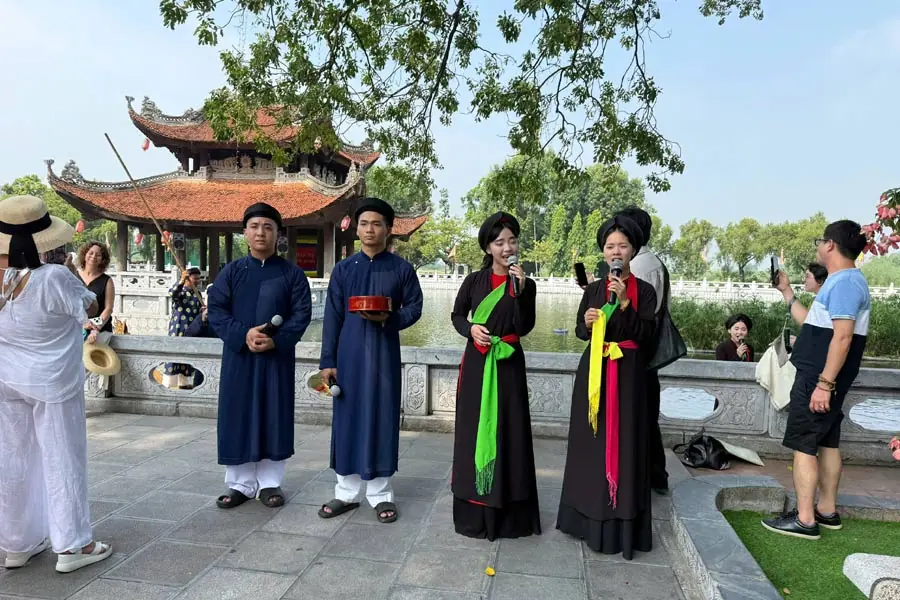
Another highlight is the crescent-shaped lake and Thuy Dinh, a traditional water pavilion surrounded by trees and open space. It is a pleasant place to slow down, appreciate the architecture and take photographs away from the busy streets of Hanoi.
Den Do Temple also offers an introduction to the cultural heritage of Kinh Bac, a region strongly associated with Quan Ho folk singing and traditional customs. During the annual Do Temple Festival in the third lunar month, the site becomes a lively cultural setting with processions, ceremonies, Quan Ho performances and local activities.
If you are staying in Hanoi, Do Temple is easy to include in a wider cultural itinerary. It is one of the key stops on The Hanoi Train, the heritage railway journey connecting Hanoi with the Kinh Bac region. During the journey, you travel from Hanoi Railway Station to Tu Son before continuing to Do Temple, where you can explore the Ly Dynasty heritage and local culture before returning to Hanoi. Our The Hanoi Train guide provides more information about the route, ticket prices, departure times and what to expect during the journey.
If you prefer a private experience, Asia Eyes Travel can also arrange a visit to Do Temple as part of a Hanoi Day Tour, combining the temple with traditional craft villages around Hanoi, local food experiences and other cultural attractions in northern Vietnam. With an English-speaking guide and private transportation, you can explore the area at a comfortable pace while gaining a deeper understanding of its history and traditions.
Contact us at info@asiaeyestravel.com or via WhatsApp: +84 935 946 688 (Mr. Thuc Nguyen) for more information and a personalized quotation.
When visiting Do Temple, dress respectfully as this remains an active place of worship. Allow around one to two hours to explore the main complex, and consider visiting in the morning when temperatures are more comfortable.
Best Day Tours from Hanoi | Private & Small Group Options
Some of the best day trip destinations around Hanoi include Ba Vi National Park for refreshing nature escapes, Duong Lam Ancient Village for a glimpse into Vietnam’s rural history, and Bat Trang Pottery Village for a hands-on cultural experience. You can also explore traditional craft villages such as Van Phuc Silk Village, Chuong Conical Hat Village, Dong Ho Painting Village, Chang Son Fan Village, and Phu Vinh Bamboo & Rattan Village to discover Vietnam’s rich artisan heritage. For a peaceful spiritual journey, the famous Huong Pagoda offers a serene retreat surrounded by stunning limestone mountains and natural landscapes.
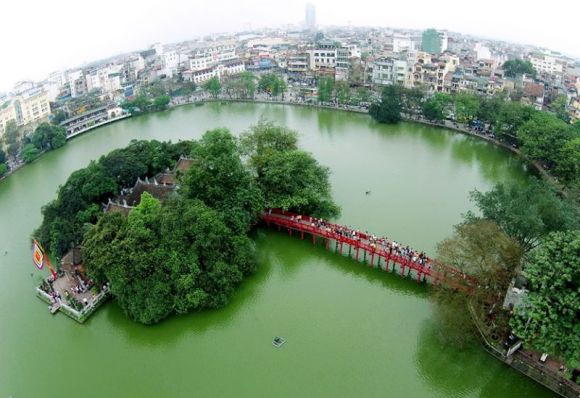
Ngoc Son Temple is one of Hanoi's most famous cultural and spiritual landmarks, beautifully situated on a small island in the northern part of Hoan Kiem Lake. Connected to the shore by the iconic red The Huc Bridge, the temple is one of the city's most recognizable attractions and a popular stop for visitors exploring the historic centre of Vietnam's capital. Combining traditional architecture, peaceful surroundings, and centuries of cultural significance, Ngoc Son Temple offers a memorable experience in the heart of Hanoi.
With a history spanning more than a century, Ngoc Son Temple has become an important symbol of Hanoi's cultural heritage. The temple reflects traditional Vietnamese beliefs and values while preserving a peaceful atmosphere that contrasts with the busy streets surrounding Hoan Kiem Lake. Today, it remains a popular destination where both local residents and international visitors come to admire its architecture, appreciate its history, and enjoy one of the city's most scenic locations.
One of the highlights of visiting Ngoc Son Temple is crossing The Huc Bridge, whose name means "Morning Sunlight Bridge." Painted in its distinctive bright red color, the elegant wooden bridge stretches across the lake and has become one of the most photographed landmarks in Hanoi. From the bridge, visitors can enjoy beautiful views of Hoan Kiem Lake, especially during the early morning and evening when the surrounding trees and historic buildings are reflected on the calm water.
Inside the temple complex, visitors can admire traditional Vietnamese architecture with curved tiled roofs, intricate wooden carvings, peaceful courtyards, and ancient altars. The temple also displays a preserved giant turtle specimen, closely associated with the famous legend of Hoan Kiem Lake, adding another fascinating cultural element to the visit. The tranquil setting makes the temple an ideal place to slow down and experience a different side of Hanoi's rich heritage.
Ngoc Son Temple is typically open daily from 8:00 AM to 6:00 PM. The entrance fee is VND 50,000 per adult, while children may receive discounted or free admission according to the current ticket policy. Since opening hours and ticket prices may occasionally change, checking the latest information before your visit is recommended.
After visiting Ngoc Son Temple, many travelers continue exploring the surrounding area on foot. A leisurely walk around Hoan Kiem Lake, a visit to the lively Hanoi Old Quarter, relaxing at a lakeside café, or enjoying the vibrant Hanoi Walking Street during the weekend are all excellent ways to complete your visit. Thanks to its central location, the temple can easily be combined with many of Hanoi's most popular attractions in a single day.
If you're planning a Hanoi City Tour that includes Ngoc Son Temple, Hoan Kiem Lake, and other famous attractions, contact Asia Eyes Travel for customized itineraries, experienced local guides, private transportation, and expert travel advice. Our tailor-made Hanoi City Tours are designed to help you experience the history, culture, and everyday life of Vietnam's capital in a comfortable, memorable, and hassle-free way.
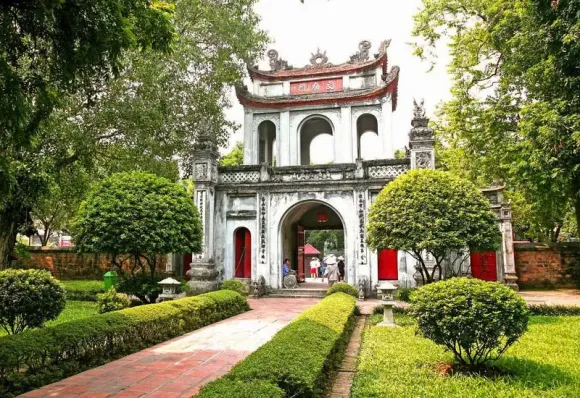
The Temple of Literature (Van Mieu – Quoc Tu Giam) is one of Hanoi's most treasured historical and cultural landmarks. Founded in 1070 during the Ly Dynasty, it was originally built to honor Confucius before becoming Vietnam's first national university, where generations of scholars and royal officials received their education. Today, the complex stands as a symbol of learning, wisdom, and the country's long-standing respect for education.
Located in Dong Da Ward, the Temple of Literature welcomes visitors with peaceful courtyards, ancient trees, traditional pavilions, and beautifully preserved Vietnamese architecture. Walking through its five courtyards offers a glimpse into Vietnam's educational traditions while showcasing elegant stone stelae, historic altars, and one of Hanoi's most photographed landmarks, the Khue Van Pavilion. It is also one of the cultural highlights featured in many Hanoi tours, offering visitors a deeper understanding of the capital's rich history beyond its bustling streets.
Today, the Temple of Literature is one of the city's most visited attractions, appealing to history enthusiasts, photographers, families, and anyone interested in Vietnam's cultural heritage. At Asia Eyes Travel, we recommend including this iconic landmark in your Hanoi itinerary to experience one of Vietnam's most significant historical and educational sites. This guide covers everything you need to know before visiting, including its history, the most important attractions inside the complex, opening hours, entrance fees, suggested visiting time, and practical travel tips for an enjoyable experience.
Explore Temple of Literature
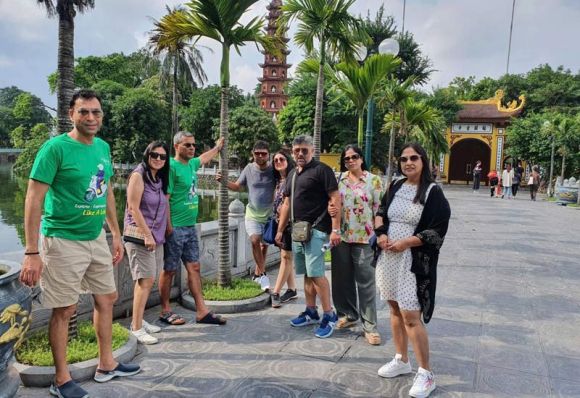
Tran Quoc Pagoda is one of Hanoi's most iconic cultural and spiritual landmarks, with a history spanning more than 1,500 years. Located on a small island connected to Thanh Nien Road between West Lake and Truc Bach Lake, it is the oldest Buddhist temple in the capital and one of the most peaceful places to visit. Its elegant architecture, tranquil gardens, and lakeside setting make it a favorite stop for visitors looking to experience a quieter side of Hanoi. At Asia Eyes Travel, we often recommend including Tran Quoc Pagoda in Hanoi city tours, as it combines history, culture, and beautiful scenery in one memorable destination.
Originally built in the 6th century during the reign of Emperor Ly Nam De, Tran Quoc Pagoda was first located on the banks of the Red River. Due to river erosion, it was relocated to its current position on West Lake in the early 17th century. Throughout the centuries, the pagoda has remained an important center of Buddhist worship while preserving valuable religious artifacts and traditional Vietnamese architecture. Today, it continues to welcome both local worshippers and visitors from around the world.
One of the pagoda's most recognizable landmarks is its striking 11-story lotus stupa, which rises gracefully above the temple grounds and has become a symbol of West Lake. Visitors can also admire the peaceful main prayer hall, beautifully carved Buddha statues, and the sacred Bodhi Tree, grown from a cutting of the original tree in Bodh Gaya, India, where Buddha attained enlightenment. Combined with the quiet atmosphere and panoramic lake views, these highlights make Tran Quoc Pagoda one of the most photogenic and spiritually significant attractions in Hanoi.
Tran Quoc Pagoda is open daily from 8:00 AM to 4:00 PM, and admission is free for all visitors. Although there is no entrance fee, donations are appreciated to help preserve this historic temple. As it remains an active place of worship, visitors should dress modestly by covering their shoulders and knees and speak quietly while exploring the temple grounds. Early morning and late afternoon are the best times to visit, when the weather is cooler and the views across West Lake are especially beautiful.
Planning to visit Tran Quoc Pagoda during your stay in Hanoi? Contact Asia Eyes Travel to include this historic temple in your personalized Hanoi city tours and experience the city's rich cultural heritage with knowledgeable local guides.
Quan Thanh Temple (also known as Tran Vu Temple) is a historic Taoist temple located near West Lake in Hanoi, Vietnam. With insights from Asia Eyes Travel DMC Vietnam, visitors can fully appreciate its spiritual and cultural significance. As one of the Four Sacred Temples protecting the city, it is dedicated to the Taoist deity Tran Vu, the god of the North. Here are the best things to do when visiting Quan Thanh Temple:
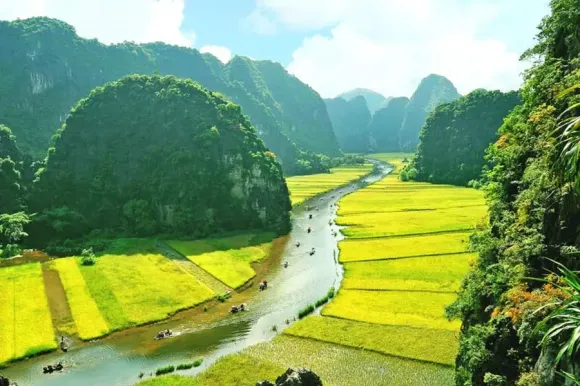
Best day trips from Hanoi include a scenic Ninh Binh day trip, a Halong Bay full-day cruise, the spiritual Perfume Pagoda, and the peaceful Mai Chau Valley. Within the city, travelers can enjoy authentic local experiences through a Hanoi food tour, visits to traditional craft villages, or explore hidden streets on a scooter tour or Jeep Tour combined with food, led by friendly female drivers, or a guided walking tour, deal for short stays in Hanoi.





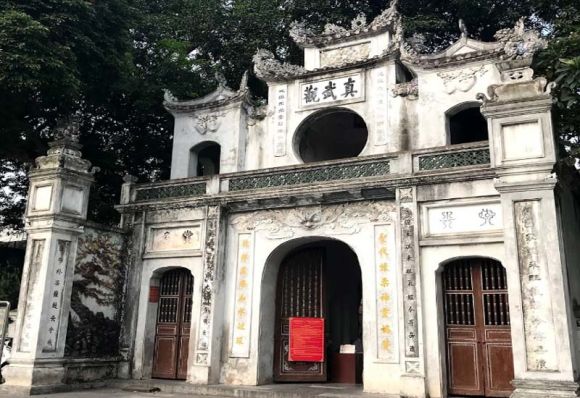
, also known as Ly Bat De Temple, is one of the most important historical sites associated with the Ly Dynasty in northern Vietnam. Located in Tu Son Ward, Bac Ninh, in the historic Kinh Bac region, the temple is dedicated to the eight kings of the Ly Dynasty and offers a fascinating insight into the history behind Thang Long, the ancient capital of Vietnam.
The temple is closely connected with Ly Thai To, founder of the Ly Dynasty, who moved the capital from Hoa Lu to Thang Long in 1010. This important decision shaped the development of Hanoi and established a lasting connection between the capital and the Kinh Bac region.
Do Temple, Bac Ninh
Today, Do Temple is a peaceful complex of traditional Vietnamese architecture, courtyards, gardens and religious buildings. One of its most recognizable features is Ngu Long Mon, or the Five-Dragon Gate, decorated with elaborate dragon carvings reflecting traditional Vietnamese royal symbolism. Inside, you can see the main sanctuary dedicated to the eight Ly emperors, along with traditional altars and architectural details preserved through generations.
Another highlight is the crescent-shaped lake and Thuy Dinh, a traditional water pavilion surrounded by trees and open space. It is a pleasant place to slow down, appreciate the architecture and take photographs away from the busy streets of Hanoi.&)