Chuong Conical Hat Village is one of Vietnam's most famous traditional craft villages and the birthplace of the iconic non la. Best known for its unique 16-rim conical hat technique and the bustling Chuong Market, the village has preserved the art of handmade hat making for more than 300 years. Visitors can watch skilled artisans at work, create their own non la, and take home one of Vietnam's most iconic souvenirs. Our Hanoi Tours by Asia Eyes Travel can include Chuong Conical Hat Village as part of an authentic cultural journey beyond the city's famous landmarks. This guide covers everything you need to know before visiting, from the village's history and traditional craftsmanship to the best experiences and practical travel tips.
Chuong Conical Hat Village is located in Thanh Oai Commune, Hanoi, approximately 30 km southwest of Hoan Kiem Lake. The journey from central Hanoi takes around 45 to 60 minutes by road, making it an easy half-day trip from the city. The village is well known for Chuong Market, where local artisans gather to buy and sell palm leaves, bamboo frames, and handmade non la. Visiting on a market day offers the best opportunity to experience the lively atmosphere and see the traditional conical hat trade in action.
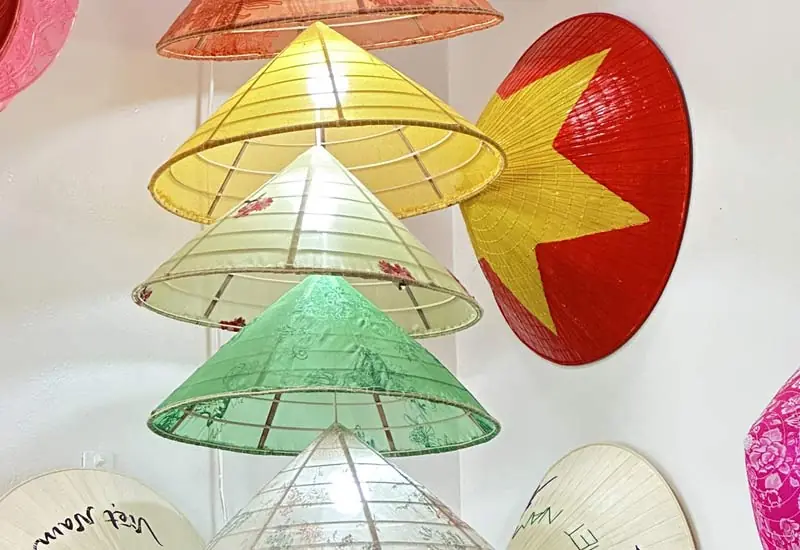
Chuong Conical Hat Village has been producing traditional non la for more than 300 years and is widely recognised as one of Vietnam's most famous conical hat-making villages. For generations, local families have carefully passed down the techniques of selecting palm leaves, shaping bamboo frames, and hand-stitching each hat with remarkable precision. Originally created to protect people from the tropical sun and rain, the non la has become an enduring symbol of Vietnamese culture. Today, the village continues to preserve this traditional craft while supplying handmade conical hats to markets across Vietnam and international visitors.
A visit to Chuong Conical Hat Village offers visitors the opportunity to experience one of Vietnam's most iconic traditional crafts through authentic local activities and hands-on experiences.
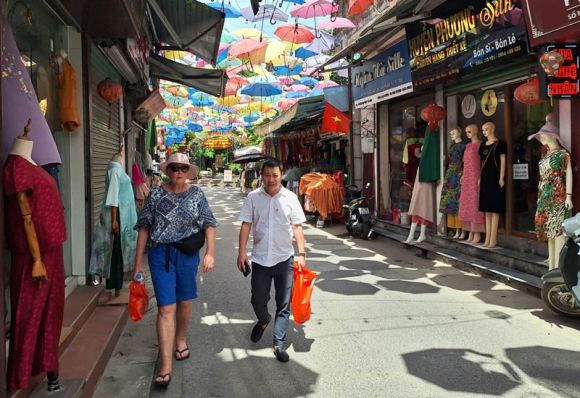
One of the highlights of the village is Chuong Market, where local artisans gather to trade palm leaves, bamboo frames, sewing materials, and finished Non La. The market offers a fascinating glimpse into the traditional supply chain behind Vietnam's famous conical hats and provides excellent opportunities for photography while observing local daily life.
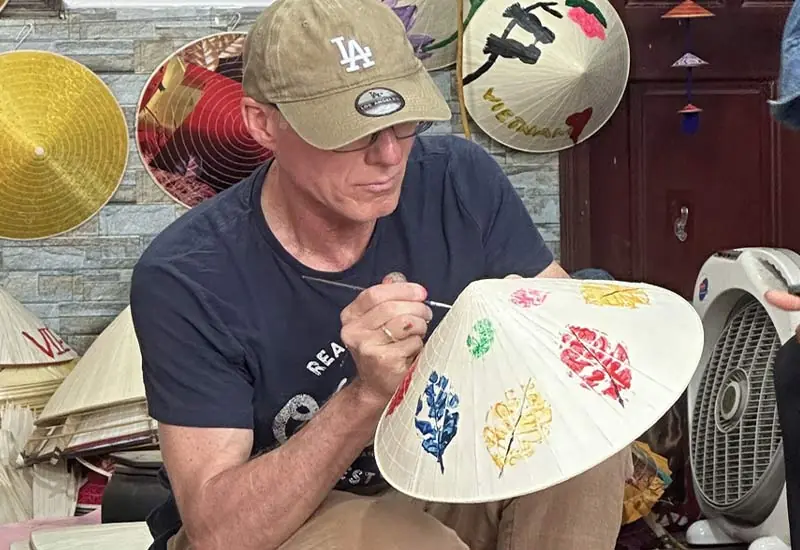
Several family workshops welcome visitors who would like to make their own Non La. Under the guidance of experienced artisans, you can learn how to arrange palm leaves, shape the bamboo frame, and stitch the hat together using traditional techniques. The activity usually takes around 30 to 45 minutes, and you can take your handmade conical hat home as a memorable souvenir.
One of the most rewarding experiences is meeting the artisans who continue this centuries-old tradition. Many are happy to demonstrate the craftsmanship behind each non la, explain the materials used, and share stories about their family's long connection with the village. Although English is limited, visitors are always welcomed with genuine hospitality.
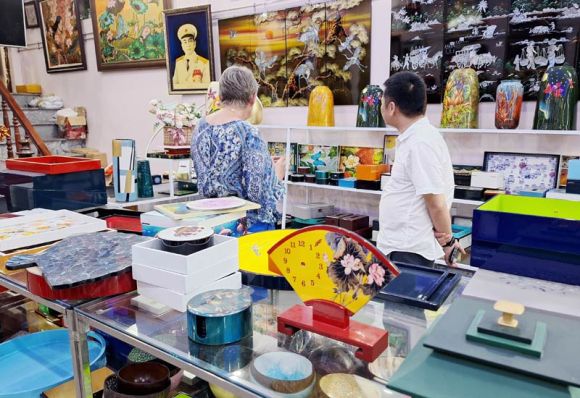
Before leaving, browse the workshops and market stalls for authentic handmade non la. Visitors can choose from simple everyday hats, elegant embroidered designs, painted decorative hats, or customised souvenirs. Lightweight and easy to carry, a traditional non la is one of Vietnam's most iconic and practical souvenirs.
Watching local artisans at work reveals why the non la has remained one of Vietnam's most admired handicrafts for centuries. Although the finished hat looks simple, creating a high-quality non la requires careful preparation, skilled handwork, and years of experience. From selecting the finest palm leaves to stitching each layer onto a bamboo frame, every step plays an important role in producing a lightweight, durable, and beautifully shaped conical hat.
The process begins with selecting young palm leaves, which are dried, ironed, and carefully sorted by size and colour. This preparation helps create a smooth, even surface while giving the finished hat its distinctive pale appearance. Only high-quality leaves are chosen to ensure the non la remains lightweight and durable.
Thin bamboo strips are bent into circular rings of different sizes before being attached to a wooden mould. These rings form the conical shape of the hat and must be evenly spaced to create a balanced structure. Skilled artisans carefully adjust each ring by hand to achieve the perfect shape.
Layers of prepared palm leaves are placed over the bamboo frame and stitched together using fine nylon thread. Every stitch must be neat, evenly spaced, and almost invisible from the outside. This delicate stage requires patience and precision, as the appearance and durability of the finished non la depend largely on the quality of the hand stitching.
After stitching is complete, the edges are neatly trimmed and the chin strap is attached. Some hats remain plain for everyday use, while others are decorated with embroidery, colourful paintings, or traditional Vietnamese motifs. The finished non la is then inspected before being displayed for sale in the village workshops and at Chuong Market.
Located around 30 km southwest of central Hanoi, Chuong Conical Hat Village can be reached in approximately 45–60 minutes by car. Booking a Grab or private car is the easiest option for independent travellers, while public buses provide a more budget-friendly alternative. For a more convenient experience, Asia Eyes Travel also offers guided craft village tours with private transportation, English-speaking guides, and opportunities to visit local workshops.
The best time to visit Chuong Conical Hat Village is early in the morning, especially on market days, when Chuong Market is at its busiest and local artisans are actively trading materials and finished hats. Morning visits also provide cooler temperatures, better natural light for photography, and more opportunities to watch traditional hat making in the workshops.
A traditional non la (Vietnamese conical hat) is the signature souvenir of Chuong Conical Hat Village, available in a variety of styles ranging from simple everyday hats to beautifully embroidered and hand-painted designs. Many local workshops also offer miniature conical hats, customized souvenirs, and decorative items that are lightweight, easy to pack, and perfect as unique gifts.
Simple handmade non la usually cost around VND 50,000–100,000, while embroidered or decorative hats typically range from VND 150,000–400,000, depending on the design, materials, and craftsmanship. Custom-made pieces and premium decorative hats may be priced higher.
If you are interested in Vietnam’s traditional handicrafts, local culture, and authentic rural experiences, a craft village tour is one of the best ways to explore beyond Hanoi’s famous landmarks. Hanoi Countryside Day Tours offer a unique opportunity to visit traditional villages, meet local artisans, discover centuries-old crafts, and experience the peaceful lifestyle of rural Vietnam.
Interested in visiting Chuong Conical Hat Village and other traditional craft villages around Hanoi? Asia Eyes Travel designs Best Hanoi tours that combine authentic craft villages, historic landmarks, local cuisine, and hands-on workshops, with English-speaking guides and private transport throughout. Contact us at info@asiaeyestravel.com or WhatsApp +84 935 946 688 (Mr. Thuc Nguyen) for a free personalized quotation.

Ninh Binh Day Trip (Tam Coc - Hoa Lu - Cycling)

Private trip to Ninh Binh from Hanoi
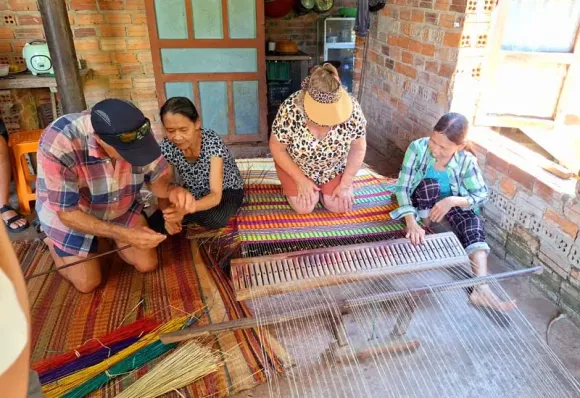
Hoi An Craft Villages Tour: Pottery, Carpentry & Farming

Hanoi Fabulous Food and Sights Tour by Scooter

Ninh Binh Full Day Trip with Small Tour Group

Hanoi Night Lights and Food Tour by Scooter with Female Drivers
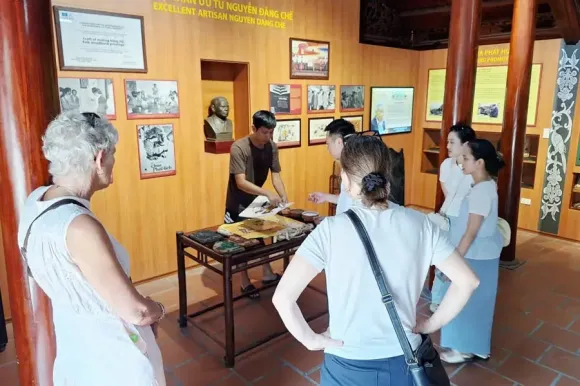
Hanoi Traditional Craft Villages Day Trip

Hanoi Rural Craft Villages Tour