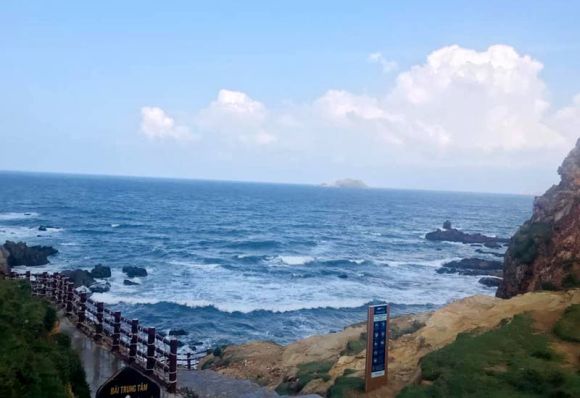
Quy Nhon, a serene coastal city in central Vietnam, is known for its pristine beaches, charming fishing villages, and historical landmarks. While the city enjoys a tropical climate, the timing of your visit can significantly impact your experience. With insights from Asia Eyes Travel DMC Vietnam, travelers can plan their trip to coincide with the most favorable weather, ensuring the best experience for beach activities, outdoor adventures, and cultural exploration. In this guide, we’ll explore the best time to visit Quy Nhon based on its seasons, weather conditions, and key events.
Best Time to Visit Quy Nhon: The best time to visit Quy Nhon is during the dry season from January to August, with April to August being the prime period for beach activities and outdoor adventures. If you prefer cooler weather and fewer crowds, the early months of the year (January to March) are ideal for sightseeing and cultural exploration. While the rainy season (September to November) brings storms and less predictable weather, it may still appeal to those seeking tranquility and off-season travel experiences. The right time to visit depends on what kind of experience you're seeking-whether it's lounging on the beach under the sun, exploring historical landmarks, or immersing yourself in local festivals and traditions.

Quy Nhon experiences a tropical monsoon climate, with two distinct seasons: the dry season and the rainy season. While temperatures remain warm throughout the year, the difference in weather conditions between these seasons can influence travel plans, especially if you're looking to enjoy beach activities or explore outdoor landmarks.

Average Temperatures: Summer (May to August): 28°C - 35°C (82°F - 95°F); Winter (December to February): 20°C - 26°C (68°F - 79°F)
January to March is the coolest and most comfortable time of year in Quy Nhon, with temperatures ranging between 20°C and 26°C (68°F - 79°F). The weather is mostly dry, with clear skies and gentle sea breezes.
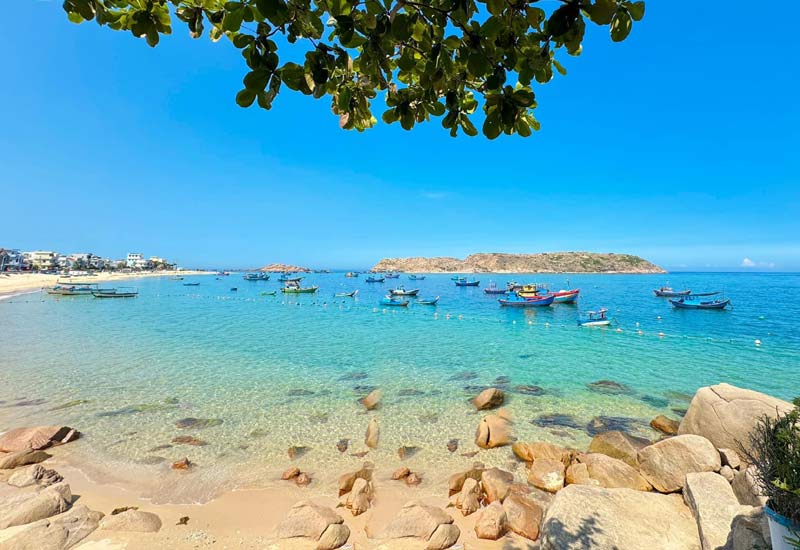
This period is ideal for exploring the city's historical landmarks, hiking, and outdoor adventures. The cool temperatures make it pleasant to visit Cham Towers, Thap Doi, and other cultural sites without worrying about intense heat.
Although the water may be a bit cooler in January and February, beach activities like swimming, sunbathing, and snorkeling are still possible, especially from March onwards.
This is the beginning of the peak tourist season, but the city is still relatively uncrowded compared to larger tourist destinations like Nha Trang or Da Nang.
From April to August, temperatures rise, often reaching 32°C to 35°C (90°F to 95°F) in the peak of summer. These months are characterized by long, sunny days and very little rain, making it perfect for beach vacations.
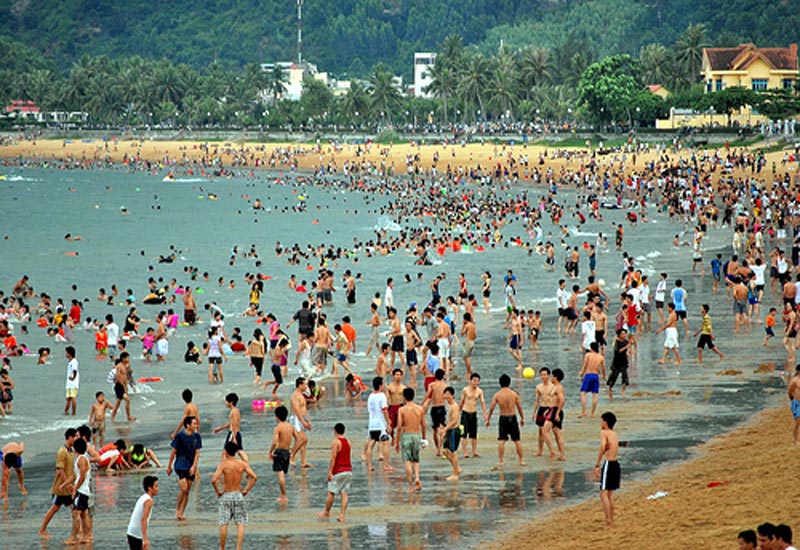
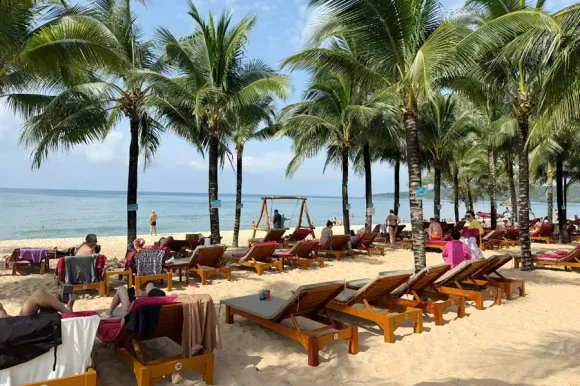
This is the best time for beach lovers to enjoy Quy Nhon’s stunning coastline, with popular spots like Ky Co Beach, Bai Xep Beach, and Hon Kho Island offering warm waters, calm seas, and endless sunshine. Water sports, island hopping, and boat trips are at their peak during these months.
Quy Nhon celebrates several local festivals in the summer, including local fishing festivals and cultural celebrations that provide unique insights into the life and traditions of coastal communities.
July and August can be busier due to local holidays and an influx of Vietnamese tourists, but the beaches are still relatively uncrowded compared to more popular coastal cities.
The rainy season in Quy Nhon usually begins in late August or early September, with the heaviest rainfall occurring between September and November. Tropical storms and typhoons are more likely during this time, making travel less predictable. The temperature during the rainy season is around 24°C to 28°C (75°F - 82°F), which is still warm, but the frequent rains and rough seas make outdoor activities difficult.
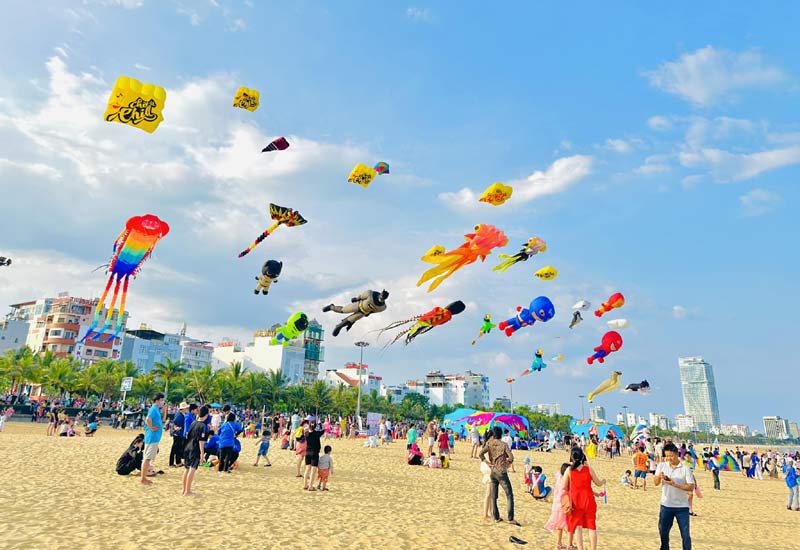
This is not an ideal time to visit Quy Nhon if you are hoping to enjoy beach activities or island hopping. However, for travelers who prefer fewer crowds and don't mind occasional rain, this period can offer a more peaceful experience.
During rainy days, exploring Quy Nhon’s cultural and historical sites like the Long Khanh Pagoda or Banh It Cham Towers is still possible. The countryside becomes lush and green, making it a picturesque time to visit rural areas or nearby villages.
Be aware of potential travel disruptions due to flooding, particularly in low-lying areas, and limited availability of boat tours to the islands.
December marks the transition from the rainy season to the dry season. The rains start to taper off, but there may still be sporadic showers, particularly in the early part of the month. The temperatures begin to cool down, with averages between 21°C to 25°C (70°F - 77°F).
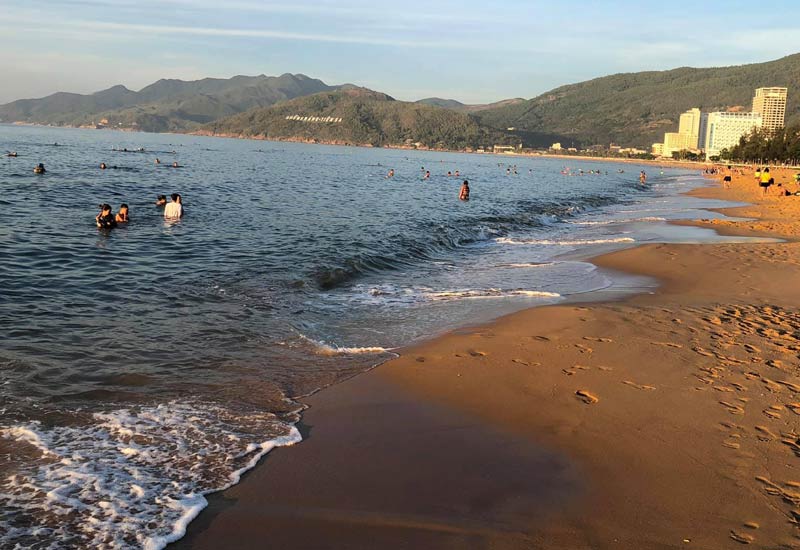
December can be a good time to visit if you want to avoid both the intense summer heat and the heaviest rains. By mid-to-late December, the skies begin to clear up, making it easier to enjoy outdoor activities.
Vietnam celebrates Christmas and New Year in December, and while Quy Nhon is not a major holiday destination, some hotels and restaurants will offer special events or menus for these occasions.
While the weather is the primary factor in determining the best time to visit, Quy Nhon also hosts a few local festivals and events throughout the year that can enhance your travel experience:
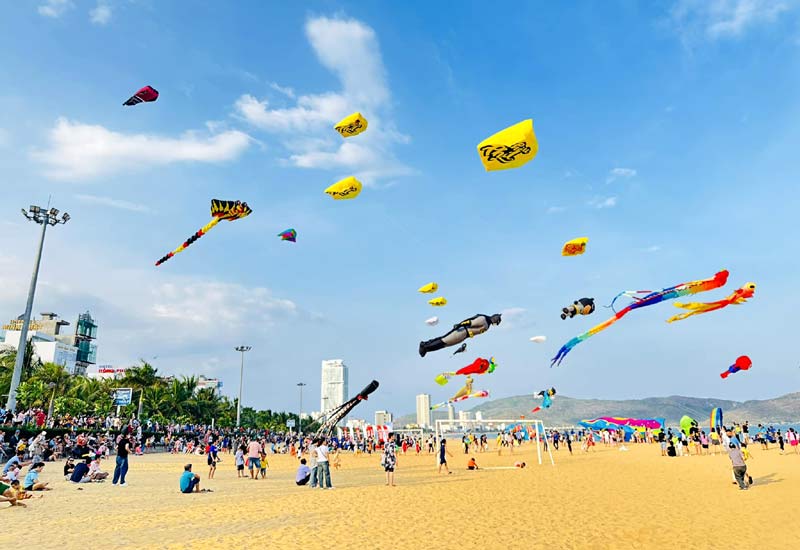
Occurring between late January and early February, Tet is the most important holiday in Vietnam. While many businesses may close for the holiday, it's a unique time to witness local traditions and celebrations.
Quy Nhon has a deep connection to the sea, and local fishing festivals, which take place in late spring and early summer, showcase the culture of coastal communities. These festivals often include boat races, seafood feasts, and local performances.

Binh Dinh province, where Quy Nhon is located, has a rich Cham heritage. During Cham New Year or local Cham festivals (usually in the summer), visitors can experience traditional Cham music, dance, and rituals.
Whether you’re after golden sands, calm seas or vibrant local festivals, Quy Nhon delivers when the weather aligns. With Asia Eyes Travel DMC Vietnam, you can pair the ideal timing with our tailored Vietnam Beach Holidays for a breathtaking coastal escape.

Vietnam Luxury Beach Holiday 18 Days - Summer Deals
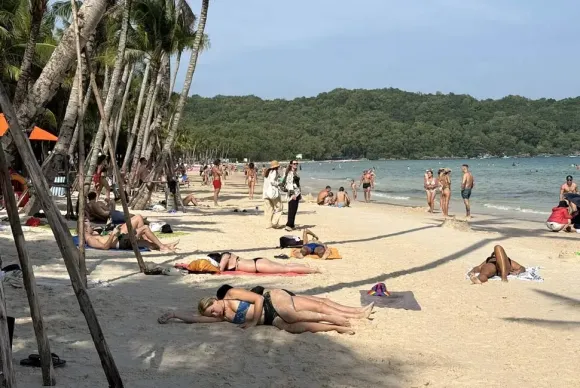

Best Vietnam Beach Holidays in 18 Days
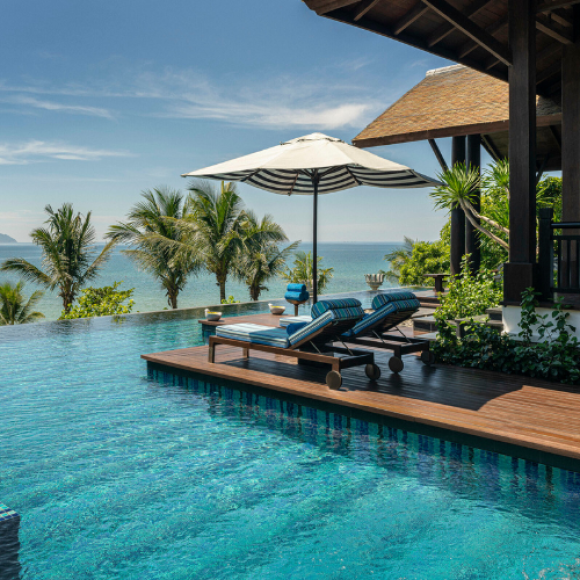
Luxury Vietnam Beach Holiday 15 Days
Vietnam Luxury Beach Holiday 12 Days