Best Things to Do in Hanoi

Hanoi is a city that rewards curiosity. Behind its busy streets, endless motorbikes, and lively markets, you will find quiet lakes, historic temples, family-run food stalls, and neighborhoods where traditional life continues alongside modern development. For travelers visiting Vietnam, the capital offers much more than a list of famous attractions.

The best things to do in Hanoi include exploring the Hanoi Old Quarter on foot, tasting local specialties, learning about Vietnamese history, and discovering the everyday routines that give the city its distinctive character. Whether you have one day or several days to spare, Hanoi offers plenty of memorable experiences.

1. Wander Through the Streets of Hanoi Old Quarter

The Old Quarter is an excellent place to begin your Hanoi adventure. Its narrow streets are filled with small shops, traditional houses, coffee shops, street vendors, and family-run restaurants. Some corners feel almost unchanged, while others reveal the energy of a rapidly developing city.

Rather than following a strict route, allow yourself time to wander, stop for a Vietnamese coffee, and observe daily life. You might discover a hidden courtyard, a shop selling handmade souvenirs, or a small restaurant serving a local specialty.

Walking is one of the best ways to experience the Old Quarter, although a traditional cyclo ride offers a more relaxed way to enjoy its lively streets.
 

Best Things to Do in Hanoi
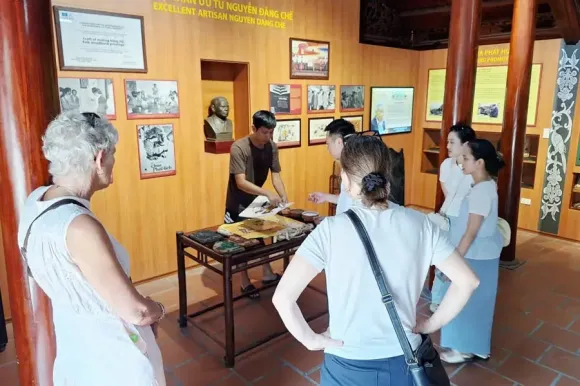
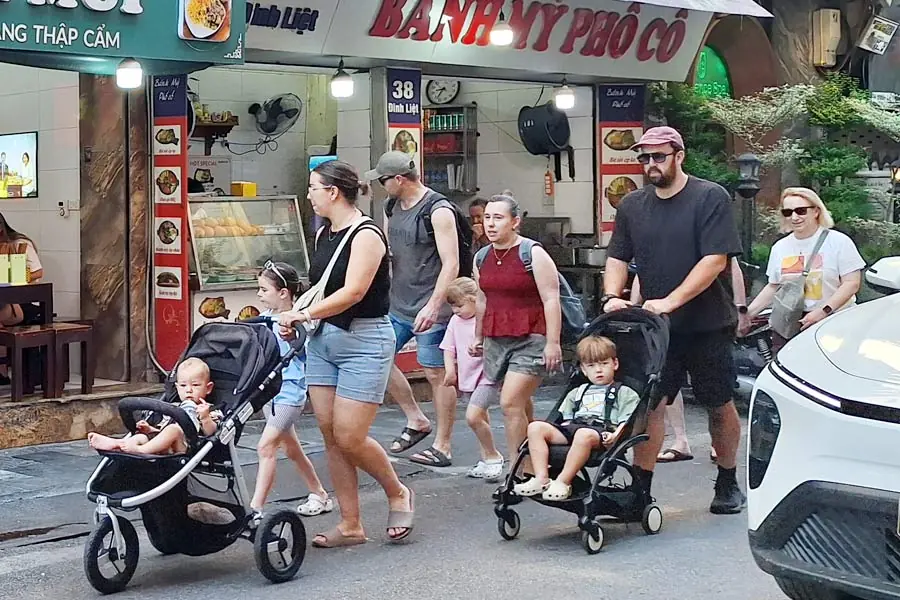
Family Walking Tour in Hanoi’s Old Quarter

2. Enjoy a Peaceful Walk Around Hoan Kiem Lake

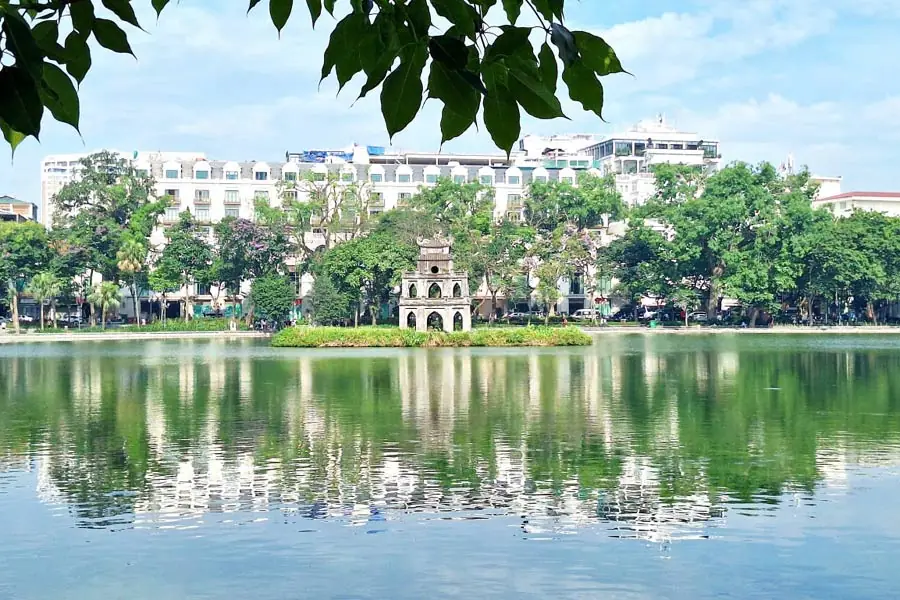
Just a short walk from the Old Quarter, Hoan Kiem Lake offers a welcome break from Hanoi's busy traffic. The lake is an important part of local life, attracting residents who exercise, meet friends, and enjoy the cooler hours of the day.

Visit in the early morning to see people practicing tai chi and walking along the waterfront. Later in the day, cross the red Huc Bridge to Ngoc Son Temple, which stands on a small island.

On weekends, the surrounding pedestrian streets become a lively gathering place for families, street performers, and visitors. It is an easy way to experience Hanoi at a slower pace without leaving the city center.
 

Best Things to Do in Hanoi
Hoan Kiem Lake

3. Discover Vietnam's History and Cultural Heritage

Hanoi's past can be seen in its temples, historic buildings, and important cultural landmarks. The Temple of Literature is particularly worth visiting for its traditional architecture and connection to Vietnam's educational heritage.

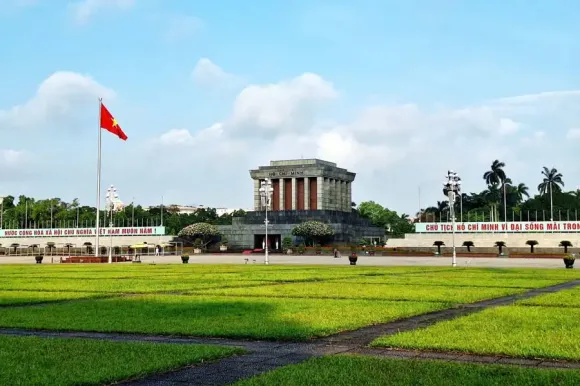
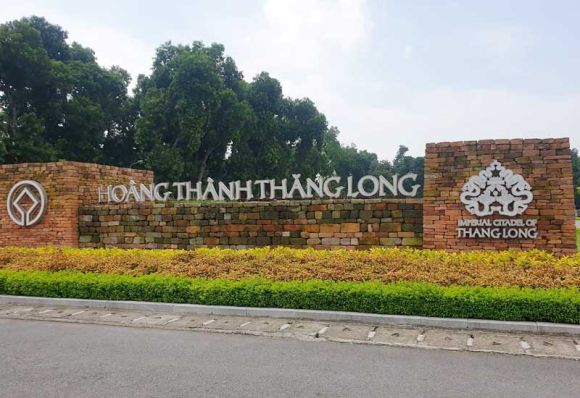
You can also explore the Imperial Citadel of Thang Long, a UNESCO World Heritage Site, to learn more about the political and cultural history of the Vietnamese capital. The Ho Chi Minh Mausoleum complex and the One Pillar Pagoda are other notable stops for visitors interested in the country's history.

If you have limited time, consider joining a guided Hanoi city tour. A local guide can explain the stories behind these landmarks and help connect individual sites to the broader history of Vietnam.
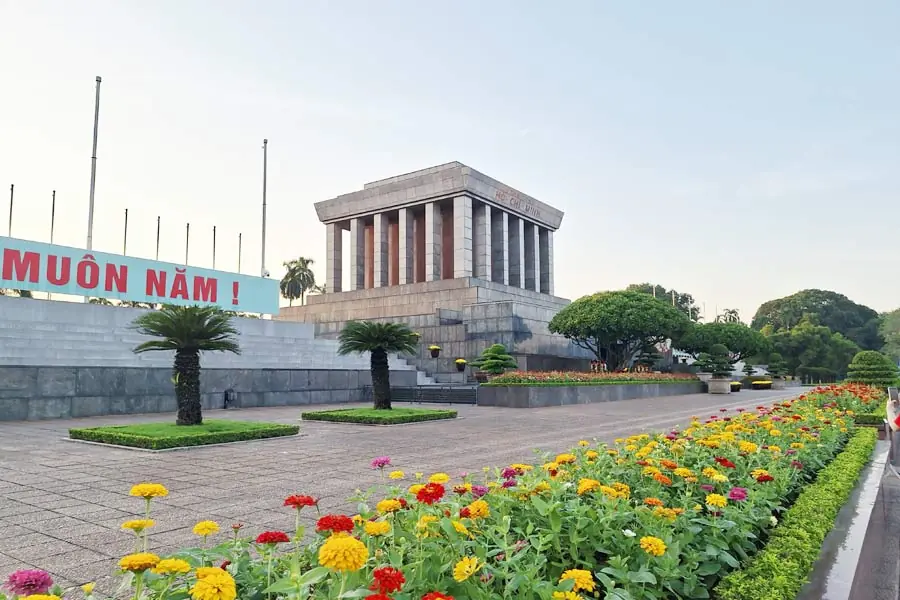
 

Best Things to Do in Hanoi
Ho Chi Minh Mausoleum

4. Taste the Local Flavors on a Hanoi Street Food Tour

Food is an essential part of experiencing Hanoi. Many of the city's most memorable meals are served in modest restaurants and street-side eateries, where recipes have been passed down through generations.

Start with pho, the well-known Vietnamese noodle soup, or try bun cha, a Hanoi favorite made with grilled pork, rice noodles, fresh herbs, and dipping sauce. Banh mi makes a convenient snack, while egg coffee offers a distinctive local take on the traditional coffee break.

A Hanoi street food tour can help you discover places you might otherwise overlook. Along the way, you can learn how local dishes are prepared, understand regional flavors, and experience the social atmosphere of Vietnamese dining.
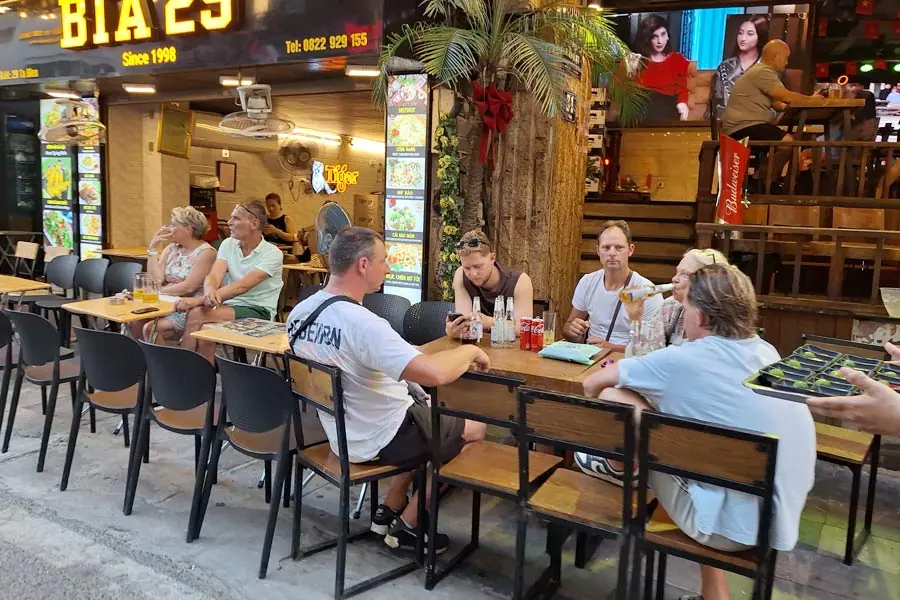
 

Best Things to Do in Hanoi
Hanoi Street Food Tours

5. Experience Hanoi After Dark

Hanoi has a different personality after sunset. The streets become busier, food stalls attract hungry locals, and the Old Quarter fills with visitors looking for shopping and entertainment.

The Hanoi Weekend Night Market is a popular place to browse clothing, souvenirs, and street food. Nearby, Ta Hien Street is known for its lively outdoor bars and casual atmosphere.

For a more relaxed evening, choose a rooftop bar overlooking the city or enjoy a walk around Hoan Kiem Lake. Travelers interested in early-morning culture can also visit Quang Ba Flower Market, where trading begins before sunrise and fresh flowers arrive from surrounding growing areas.
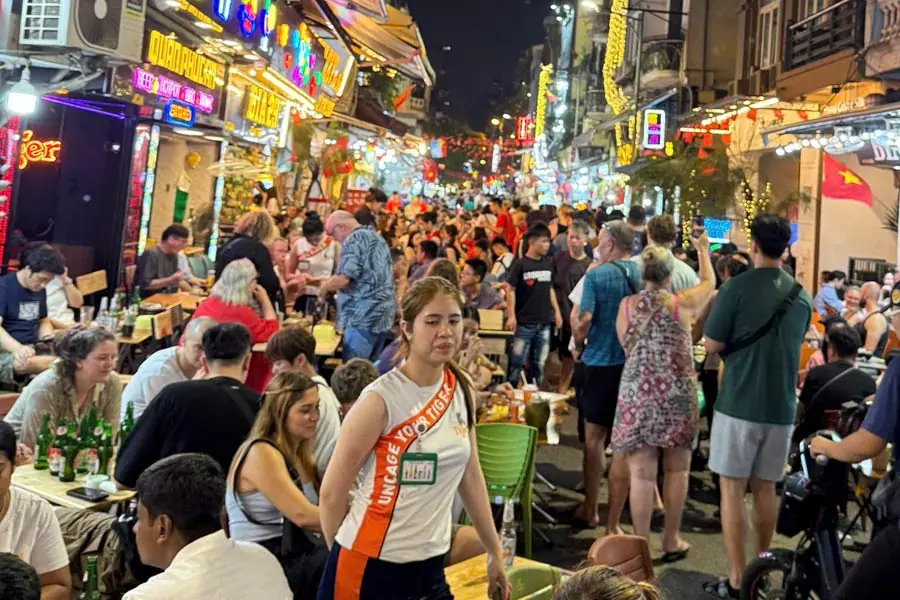
 

Best Things to Do in Hanoi
Ta Hien Beer Street

6. Discover Hanoi by Jeep or Scooter Tour

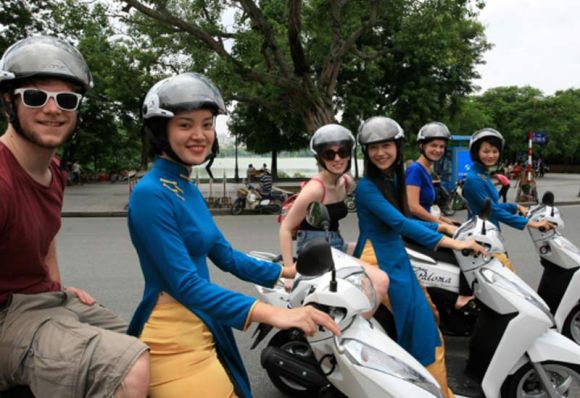
Looking for a more adventurous way to explore the capital? A Hanoi Jeep tour or scooter tour takes you beyond the main tourist attractions to discover local neighborhoods, bustling markets, hidden streets, and everyday life in Hanoi.

Travel through different parts of the city, observe how local people live and work, and discover places you might miss on a traditional walking tour. A Jeep tour offers a comfortable and distinctive way to explore Hanoi, while a scooter tour provides a closer look at the city's lively streets, local food scene, and vibrant atmosphere.

Both experiences offer a fresh perspective on Hanoi and are ideal for travelers who want to explore beyond the usual sightseeing routes.

 

Best Things to Do in Hanoi
Hanoi Scooter Tours

7. Take a Day Trip Beyond Hanoi

Hanoi is also a convenient starting point for exploring northern Vietnam. If you want to escape the city for a day, Ninh Binh offers a striking contrast, with limestone mountains, green rice fields, historic temples, and scenic boat trips through Trang An or Tam Coc.

Ha Long Bay is another popular destination, famous for its limestone islands and emerald waters. A day cruise is suitable for travelers with limited time, while an overnight cruise allows you to enjoy the scenery over a longer period.

For a closer look at traditional life, consider visiting a craft village near Hanoi. These excursions offer opportunities to learn about local skills, rural communities, and Vietnam's cultural traditions.

8. Choose the Right Hanoi Tour for Your Travel Style

The best way to explore Hanoi depends on how much time you have and what interests you most. Independent travelers may prefer to discover the Old Quarter on foot, while visitors with a busy schedule can benefit from a guided tour that combines several major attractions.

Private Hanoi tours provide flexibility, personalized service, and the freedom to adjust the itinerary to your interests. Small group tours offer a more budget-friendly alternative and the opportunity to share experiences with other travelers.

Asia Eyes Travel offers Hanoi private tours, street food experiences, Jeep excursions, and day trips to destinations around northern Vietnam. Choosing an itinerary that matches your pace and interests can make your visit more rewarding.

Plan Your Hanoi Experience with Asia Eyes Travel

Hanoi is best experienced by combining its famous landmarks with the small moments that reveal the city's character: a morning coffee beside the lake, a bowl of noodles at a neighborhood eatery, or an evening walk through the Old Quarter.

Whether you are planning a short city break or using Hanoi as the starting point for a longer Vietnam holiday, Asia Eyes Travel can help you arrange private or small group tours to suit your schedule and preferences.

Contact Asia Eyes Travel for a personalized itinerary, tour recommendations, and the latest available prices for your trip to Hanoi.

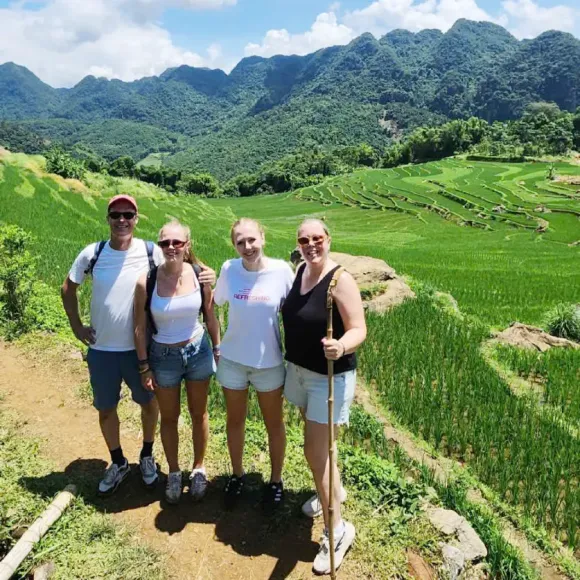
Hanoi Tours: Best City Tours, Day Trips & Experiences

Related Posts

Hanoi Travel Guide

Hanoi Travel Guide provides essential information to explore Vietnam's capital city, famous for its 1,000 years of history, cultural heritage, French colonial architecture, and vibrant local life. Discover the best Things to Do in Hanoi, top Hanoi Attractions, authentic street food, and useful Hanoi Travel Tips for an unforgettable journey. Hanoi is also the perfect gateway for Tours from Hanoi to Ha Long Bay, Ninh Binh, Sapa, and other spectacular destinations in Northern Vietnam. Below are the top Hanoi Attractions you should know before traveling to Hanoi, Vietnam.
Read more

How to Get to Pu Luong from Hanoi

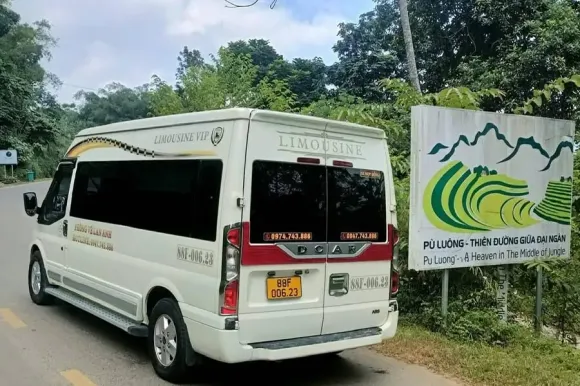
Pu Luong Nature Reserve, located just 160 km southwest of Hanoi, is one of Northern Vietnam’s most beautiful hidden escapes for travelers seeking nature, culture, and slow travel experiences. Leave behind the busy streets of Hanoi and discover Pu Luong rice terraces, peaceful Thai villages, famous bamboo water wheels, and charming eco-lodges in Pu Luong. The atmosphere here feels calm, authentic, and far less touristy than many other mountain destinations in Vietnam. Wondering how to get to Pu Luong from Hanoi? The easiest and most comfortable option is by private car or limousine van. The trip usually takes around 4–5 hours, making it ideal for couples, families, and first-time visitors booking a Pu Luong tour. For adventure lovers, traveling to Pu Luong by motorbike is also an unforgettable experience. The scenic route through Mai Chau and the mountain valleys offers incredible countryside views, quiet roads, and beautiful photo stops along the way. However, some mountain passes near Pu Luong can be steep and winding, so riding experience is recommended. No matter which route you choose, the journey itself becomes part of the adventure. As Hanoi slowly disappears behind you, the landscape transforms into green rice fields, limestone mountains, and peaceful rural villages. If you are searching for reliable transportation, customized Vietnam Tour Packages, or authentic Northern Vietnam tours, Asia Eyes Travel can help create a smooth and memorable journey to Pu Luong Nature Reserve
Read more

Tran Quoc Pagoda: Hanoi's Oldest Buddhist Temple

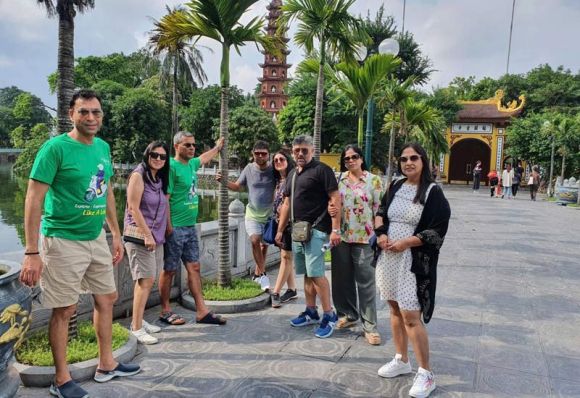
Tran Quoc Pagoda is one of Hanoi's most iconic cultural and spiritual landmarks, with a history spanning more than 1,500 years. Located on a small island connected to Thanh Nien Road between West Lake and Truc Bach Lake, it is the oldest Buddhist temple in the capital and one of the most peaceful places to visit. Its elegant architecture, tranquil gardens, and lakeside setting make it a favorite stop for visitors looking to experience a quieter side of Hanoi. At Asia Eyes Travel, we often recommend including Tran Quoc Pagoda in Hanoi city tours, as it combines history, culture, and beautiful scenery in one memorable destination. Originally built in the 6th century during the reign of Emperor Ly Nam De, Tran Quoc Pagoda was first located on the banks of the Red River. Due to river erosion, it was relocated to its current position on West Lake in the early 17th century. Throughout the centuries, the pagoda has remained an important center of Buddhist worship while preserving valuable religious artifacts and traditional Vietnamese architecture. Today, it continues to welcome both local worshippers and visitors from around the world. One of the pagoda's most recognizable landmarks is its striking 11-story lotus stupa, which rises gracefully above the temple grounds and has become a symbol of West Lake. Visitors can also admire the peaceful main prayer hall, beautifully carved Buddha statues, and the sacred Bodhi Tree, grown from a cutting of the original tree in Bodh Gaya, India, where Buddha attained enlightenment. Combined with the quiet atmosphere and panoramic lake views, these highlights make Tran Quoc Pagoda one of the most photogenic and spiritually significant attractions in Hanoi. Tran Quoc Pagoda is open daily from 8:00 AM to 4:00 PM, and admission is free for all visitors. Although there is no entrance fee, donations are appreciated to help preserve this historic temple. As it remains an active place of worship, visitors should dress modestly by covering their shoulders and knees and speak quietly while exploring the temple grounds. Early morning and late afternoon are the best times to visit, when the weather is cooler and the views across West Lake are especially beautiful. Planning to visit Tran Quoc Pagoda during your stay in Hanoi? Contact Asia Eyes Travel to include this historic temple in your personalized Hanoi city tours and experience the city's rich cultural heritage with knowledgeable local guides.
Read more

St. Joseph Cathedral: A Gothic Landmark in Hanoi

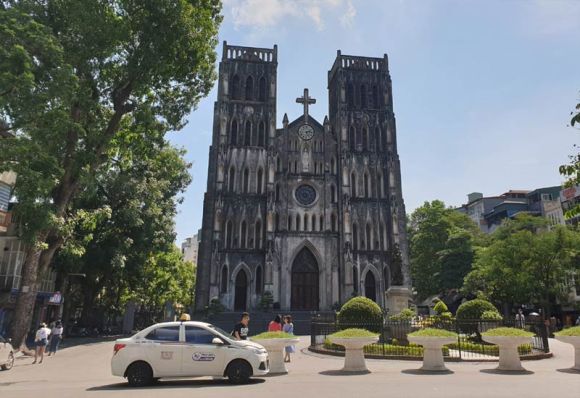
St. Joseph's Cathedral is one of the most recognizable landmarks in Hanoi, admired for its impressive Neo-Gothic architecture and peaceful atmosphere in the heart of the city. Located just a short walk from Hoan Kiem Lake, the cathedral has become a popular stop for visitors interested in history, architecture, photography, and local culture. Its elegant twin bell towers, stained-glass windows, and lively square attract both worshippers and travelers throughout the day. Completed in 1886, St. Joseph's Cathedral is the oldest Catholic cathedral in Hanoi and remains one of the city's most important religious buildings. Inspired by the famous cathedrals of Europe, its stone façade, pointed arches, and Gothic details create a striking contrast with the surrounding streets of the Hanoi Old Quarter. Despite the city's rapid development, the cathedral continues to serve as an active place of worship while preserving its historic character. One of the highlights of visiting St. Joseph's Cathedral is simply relaxing in the lively square outside. Visitors often gather here to admire the architecture, take photographs, and enjoy the unique atmosphere created by nearby cafés, bakeries, and local restaurants. The surrounding streets are also well known for serving traditional Vietnamese coffee, including the famous egg coffee, making this area one of the most enjoyable places to spend an afternoon in central Hanoi. The cathedral is generally open to visitors outside of religious services, although access to the interior may be limited during Mass or special ceremonies. Travelers wishing to attend a service should check the latest Mass schedule before visiting, as times may vary on weekdays, weekends, and religious holidays. As this is an active place of worship, modest clothing and respectful behavior are recommended when entering the cathedral. There is no entrance fee to visit St. Joseph's Cathedral, making it an easy addition to any sightseeing itinerary. Early morning and late afternoon are often the most pleasant times to visit, when temperatures are cooler and the soft natural light highlights the cathedral's beautiful architecture. Evening visits are also popular, as the illuminated façade creates a particularly charming atmosphere. If you're planning a Hanoi City Tour that includes St. Joseph's Cathedral and other famous attractions, contact Asia Eyes Travel for customized itineraries, experienced local guides, private transportation, and expert travel advice. Our tailor-made Hanoi City Tours are designed to help you experience the history, culture, and everyday life of Hanoi in a comfortable, memorable, and hassle-free way.
Read more

One Pillar Pagoda: Hanoi's Most Unique Buddhist Landmark

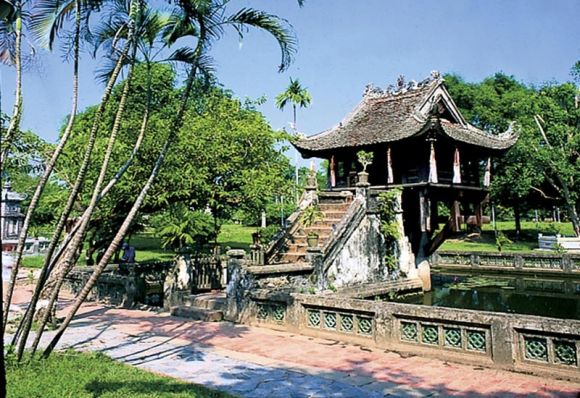
One Pillar Pagoda is one of the most recognizable cultural landmarks in Hanoi, admired for its remarkable architecture and deep spiritual significance. Built on a single stone pillar rising from a lotus pond, the pagoda has become an enduring symbol of Vietnam's Buddhist heritage. Located within the Ho Chi Minh Mausoleum Complex, it attracts visitors who come to admire its unique design, learn about its history, and enjoy the peaceful surroundings in the heart of the capital. Originally constructed in the 11th century during the Ly Dynasty, One Pillar Pagoda was designed to resemble a lotus flower blooming from the water, a symbol of purity and enlightenment in Buddhism. Although the structure has been restored over the centuries, it continues to reflect the elegant architectural style and cultural values that have made it one of Hanoi's most treasured historical sites. Despite its modest size, One Pillar Pagoda leaves a lasting impression on visitors. The wooden temple stands gracefully atop a single stone column, surrounded by a tranquil lotus pond and shaded gardens. Many visitors come to admire its distinctive appearance, take photographs, and experience the peaceful atmosphere before exploring other nearby attractions within the Ho Chi Minh Mausoleum Complex. There is no separate entrance fee to visit One Pillar Pagoda, as it is included within the grounds of the Ho Chi Minh Mausoleum Complex. Opening hours generally follow those of the complex, with morning access available on most days except certain Mondays and Fridays when parts of the site may close for maintenance. Visitors should dress respectfully, as the pagoda remains an active place of worship. Thanks to its central location, One Pillar Pagoda is often visited together with the Ho Chi Minh Mausoleum, Presidential Palace, Ho Chi Minh's Stilt House, and the Ho Chi Minh Museum. Many travelers include these attractions in a half-day itinerary to better understand Vietnam's history, culture, and religious traditions while exploring one of the city's most important historical areas. If you're planning a Hanoi City Tour that includes One Pillar Pagoda and other famous attractions, contact Asia Eyes Travel for customized itineraries, experienced local guides, private transportation, and expert travel advice. Our tailor-made Hanoi City Tours help you experience the history, culture, and spiritual heritage of Hanoi in a comfortable, memorable, and hassle-free way.
Read more

Imperial Citadel of Thang Long: A UNESCO World Heritage Treasure

The Imperial Citadel of Thang Long is one of the most important historical and cultural landmarks in Hanoi, offering visitors an opportunity to step back through more than a thousand years of Vietnamese history. Recognized as a UNESCO World Heritage Site in 2010, the citadel served as the political heart of Vietnam for centuries and continues to preserve remarkable traces of royal architecture, archaeological treasures, and national heritage. Located in the heart of Ba Dinh Ward, the Imperial Citadel of Thang Long covers an extensive area filled with ancient gates, palace foundations, archaeological excavation sites, military bunkers, and beautifully landscaped gardens. Unlike many historic monuments that focus on a single period, the citadel reflects the evolution of Vietnam through multiple dynasties and modern history, making it one of the country's most fascinating cultural attractions. Today, visitors can walk through centuries-old ceremonial gates, admire the famous stone dragons of Kinh Thien Palace, explore archaeological remains dating back hundreds of years, and even enter underground command bunkers used during the Vietnam War. Every section of the complex tells a different chapter of Hanoi's long history, allowing travelers to experience far more than a typical museum visit. This guide covers everything you need to know before visiting the Imperial Citadel of Thang Long, including its history, the most important attractions inside the complex, opening hours, entrance fees, suggested visiting time, and practical travel tips to help you make the most of your experience.
Read more
share
CHAT WITH US