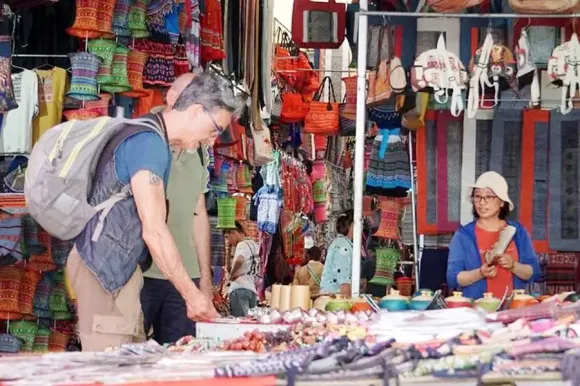
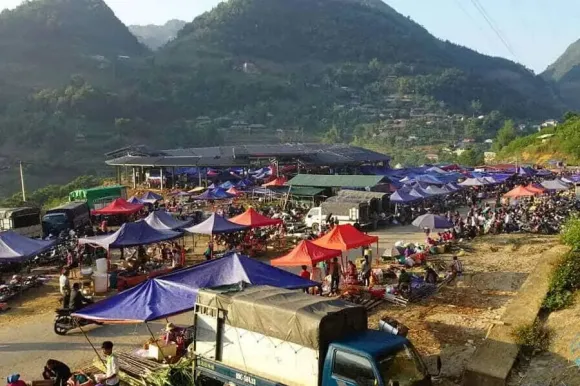
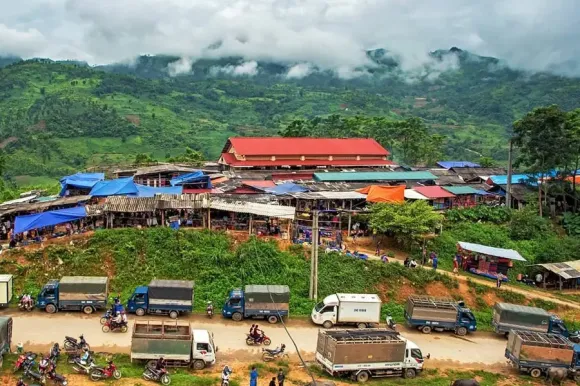
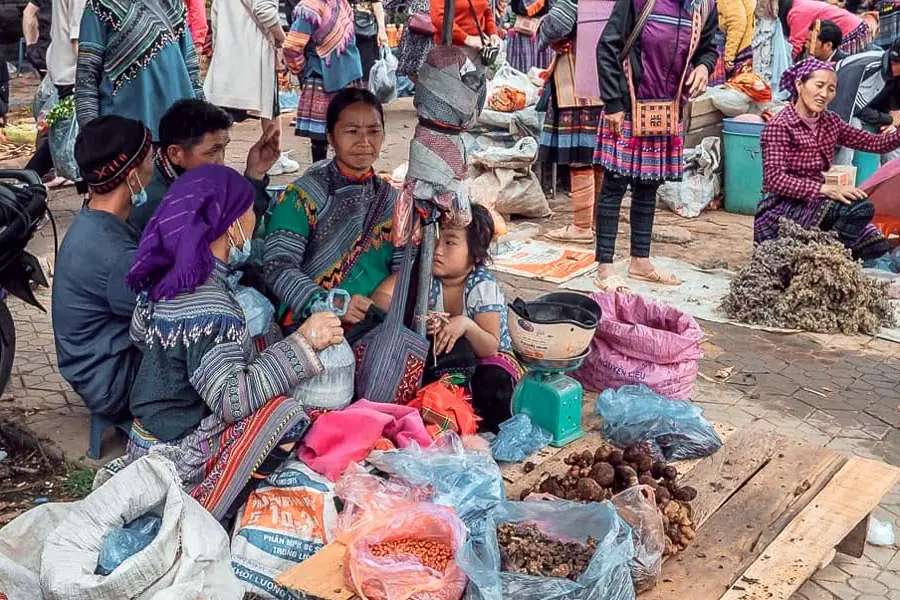
Located in Bac Ha District, Lao Cai Province, about 70 km from Sapa, Bac Ha Market is one of the most colorful and authentic ethnic markets in Northern Vietnam. Held every Sunday morning, the market is a vibrant gathering place where local ethnic minority groups, including the Flower Hmong, Tay, Dao, and Nung, come together to trade livestock, fresh produce, handmade textiles, and traditional handicrafts.
A visit to Bac Ha Market offers much more than shopping. It's a unique opportunity to experience the rich culture and daily life of the mountain communities. Wander through the lively stalls filled with embroidered clothing, silver jewelry, local herbs, and souvenirs, or explore the famous livestock section, where farmers buy and sell buffaloes, horses, pigs, and chickens.
The best time to visit is between September and November, when the weather is cool and the surrounding rice terraces turn golden.
Arriving before 8:00 AM allows you to experience the market at its busiest and capture the most vibrant scenes.
Many travelers combine a visit to Bac Ha Market with nearby attractions such as Hoang A Tuong Palace, Ban Pho Village, and scenic mountain trekking routes. Whether you're a photographer, culture enthusiast, or first-time visitor to Northern Vietnam, Bac Ha Market provides an unforgettable glimpse into the traditions and heritage of Vietnam's ethnic minorities.
This Bac Ha Market Travel Guide covers everything you need to know before your visit, including the market's history, the best time to go, how to get there, what to buy, nearby attractions, and practical travel tips for an unforgettable experience.
For generations, Bac Ha Market has been the most important trading centre for the ethnic communities living in the mountains of Lao Cai Province. Long before modern roads connected the region, villagers travelled on foot or by horseback every Sunday to exchange livestock, agricultural products, household goods, and handmade crafts. Over time, the market became more than a place for commerce. It evolved into a weekly social gathering where families met, friends reconnected, and different ethnic groups celebrated their traditions. Although tourism has introduced Bac Ha Market to visitors from around the world, it continues to preserve its original role as a vibrant cultural and trading hub for the local mountain communities.
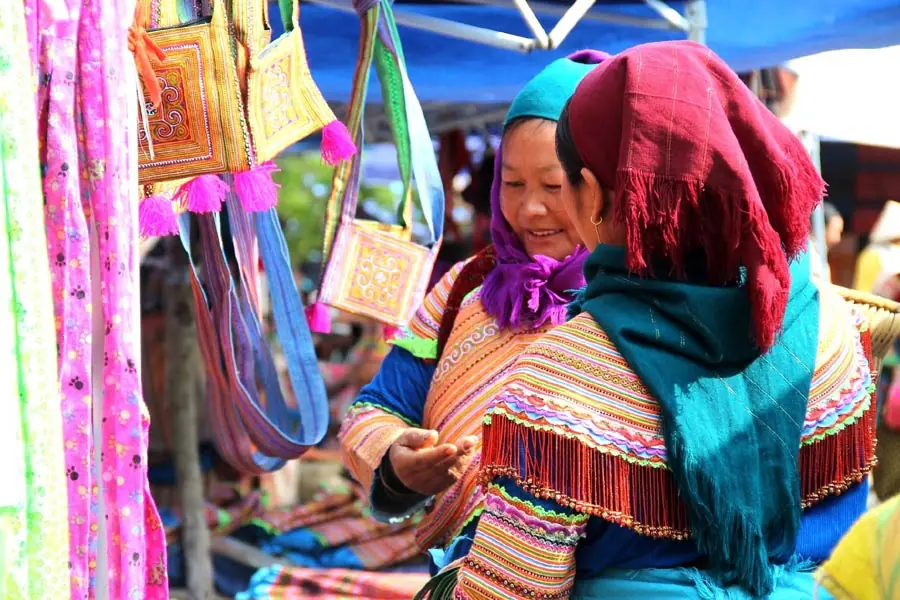
Bac Ha Market is held every Sunday, making it one of the largest and most vibrant weekly ethnic markets in Northern Vietnam. Trading usually begins at around 6:00 AM and continues until approximately 2:00 PM, although the busiest and most exciting period is between 7:00 AM and 9:00 AM. This is when local ethnic communities arrive in their colourful traditional clothing to trade livestock, fresh produce, handmade textiles, and everyday goods, creating the market's most lively atmosphere. If you're planning a visit, arriving early not only allows you to experience the market at its most authentic but also provides the best lighting for photography before the crowds become larger.
The most enjoyable time to visit is from September to November. During these months, the weather is pleasantly cool, the skies are often clear, and the surrounding mountains and rice terraces create spectacular scenery. Spring, from February to April, is another beautiful season, when plum and peach blossoms bloom across the countryside.
Getting to Bac Ha Market is relatively easy, whether you're travelling from Sapa, Lao Cai city or Hanoi. Most visitors plan their journey to arrive early on Sunday morning, allowing enough time to explore the market before it becomes crowded. If you prefer greater flexibility, a private transfer is the most comfortable option, especially when combining the market with nearby attractions.
How to Get from Sapa to Bac Ha Market
Bac Ha Market is located approximately 70 km from Sapa, and the journey takes around 2.5 to 3 hours by road through the beautiful mountain landscapes of Northern Vietnam. The most convenient and comfortable way to visit is by joining a private Bac Ha Market tour from Sapa or a guided Sunday market tour, allowing you to arrive early before the market becomes crowded.
Independent travelers can also reach Bac Ha by hiring a private car or renting a motorbike. However, extra caution is recommended when traveling on mountain roads, especially during the rainy season when some routes can become slippery.
To experience Bac Ha Sunday Market at its liveliest, we recommend leaving Sapa before 6:30 AM. Arriving early gives you more time to explore the colorful market, meet local ethnic communities, and enjoy the authentic atmosphere before traders begin returning to their villages.
From Hanoi, the fastest option is a private transfer, taking around 5.5 to 6.5 hours directly to Bac Ha. Many travellers also choose the overnight train from Hanoi to Lao Cai, followed by a 1.5-hour drive to the market on Sunday morning. This option allows you to travel overnight and arrive in time to experience the market during its busiest hours. If you're travelling at the weekend, booking your transportation in advance is recommended, as services often fill up quickly.

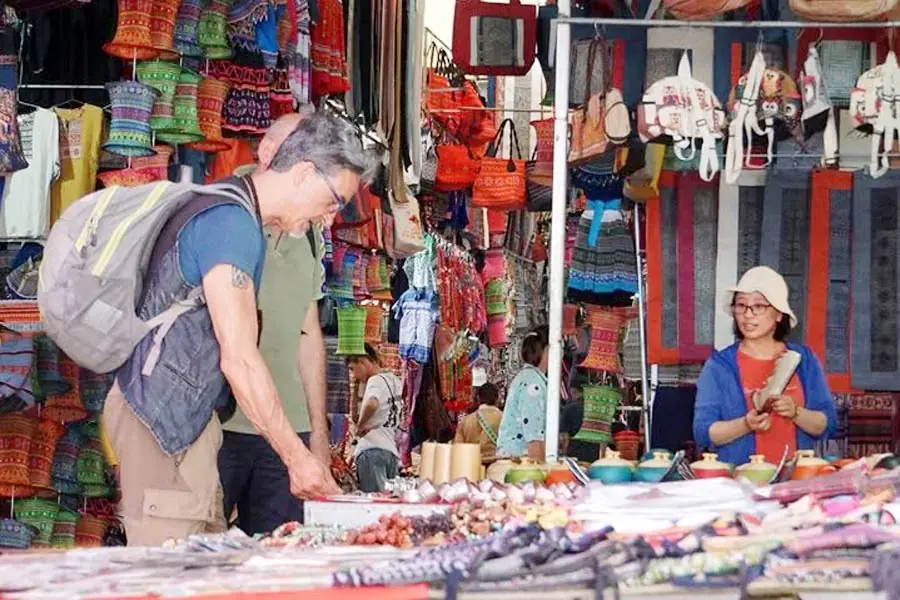
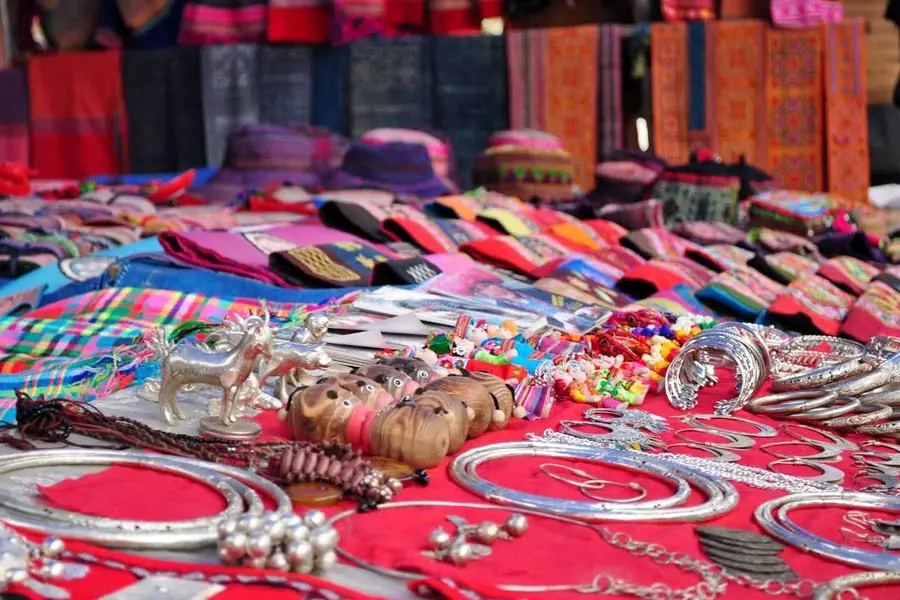
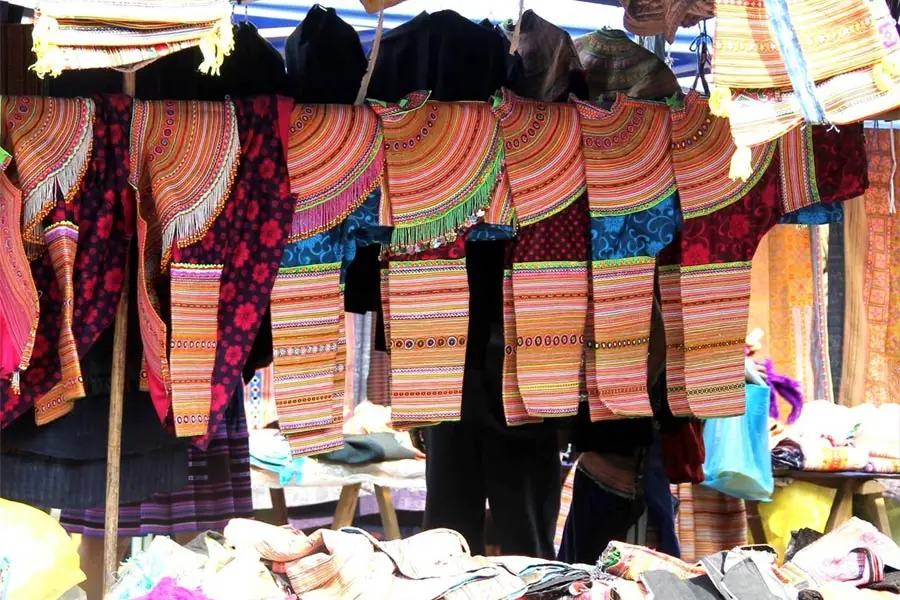
Bac Ha Market is one of the best places in Northern Vietnam to shop for authentic handmade products and locally produced goods. The market is particularly famous for colourful Flower Hmong textiles, hand-embroidered clothing, indigo-dyed fabrics, silver jewellery, woven baskets, and traditional handicrafts made by local ethnic communities. You'll also find mountain herbs, honey, spices, dried bamboo shoots, and other regional products that make unique souvenirs or gifts. While bargaining is common, it should always be done politely and with respect for the local vendors, many of whom travel from remote villages to sell their goods every Sunday.
While Bac Ha Market is the main attraction, the surrounding area is home to several cultural and natural sites that are well worth visiting. If you're spending a full day in Bac Ha or staying overnight, you can easily combine the market with historic landmarks, traditional villages, and peaceful countryside landscapes. These nearby attractions offer a deeper insight into the history, culture, and everyday life of the region.
Built in the early 20th century, Hoang A Tuong Palace is one of the best-known historical buildings in Bac Ha. The mansion combines French colonial architecture with Chinese influences, reflecting the unique history of the region during that period. Located just a short walk from Bac Ha Market, it is an easy stop after exploring the market and provides an interesting glimpse into the area's past.
Just a few kilometres from Bac Ha Town, Ban Pho Village offers visitors the chance to experience the traditional lifestyle of the Flower Hmong people. The village is known for its wooden houses, terraced fields, corn farms, and the production of traditional corn wine, a local specialty that has been made here for generations. Walking through the village allows you to enjoy the peaceful mountain scenery while learning more about the customs and daily life of one of Northern Vietnam's most colourful ethnic communities.
Located in the centre of Bac Ha Town, Bac Ha Temple is a quiet place where local people come to pray and celebrate traditional festivals throughout the year. Although smaller than many famous temples in Vietnam, it offers visitors a chance to observe local spiritual life in a peaceful setting. Its convenient location makes it an easy stop before or after visiting Bac Ha Market.
If you visit Bac Ha between February and March, don't miss Na Hoi Plum Valley, where thousands of plum trees burst into bloom, covering the hillsides with white blossoms. During the harvest season in early summer, the valley is also known for its fresh plums, attracting both local visitors and photographers. It's an excellent place to enjoy the natural beauty of the countryside beyond the busy Sunday market.
Situated about 35 km from Bac Ha, Coc Ly Market is another authentic ethnic market in Lao Cai Province, held every Tuesday. Smaller and quieter than Bac Ha Market, it attracts local ethnic communities who come to trade livestock, agricultural products, handmade textiles, and traditional handicrafts. Travellers with a longer itinerary often visit both markets to experience two of the region's most distinctive weekly trading traditions.
A little preparation will help you enjoy Bac Ha Market much more comfortably. Since the market only takes place on Sunday mornings, it's important to plan your transportation and accommodation in advance, especially during the peak travel season from September to November. Wear comfortable walking shoes, as you'll spend several hours exploring uneven paths around the market. Carry some Vietnamese Dong (VND) because many local vendors do not accept credit cards or mobile payments. If you would like to photograph local people, always ask for permission first, as a friendly smile and respectful approach are greatly appreciated by the ethnic communities.
Planning to visit Bac Ha Market? Contact Asia Eyes Travel for expert local advice, personalized itineraries, private transportation, and competitive travel prices. Whether you're visiting from Sapa, Lao Cai, or Hanoi, our experienced team is ready to help you enjoy one of Northern Vietnam's most authentic ethnic markets while making the most of your time in the region.

Bac Ha Sunday Market Day Trip from Sapa