If you are looking for a quieter side of northern Vietnam, Ba Be National Park is a destination worth adding to your itinerary. Rather than offering a long list of major attractions, Ba Be is about slowing down and enjoying the landscape around you. Forest-covered mountains, a vast natural lake, small villages and rivers come together to create a peaceful setting far from the pace of Hanoi.
Located in Bac Kan Province, Ba Be is a rewarding destination for travelers interested in nature, photography, hiking, cycling and local culture. It is also a good choice for those who want to spend a night in a village and experience northern Vietnam beyond the usual tourist routes.
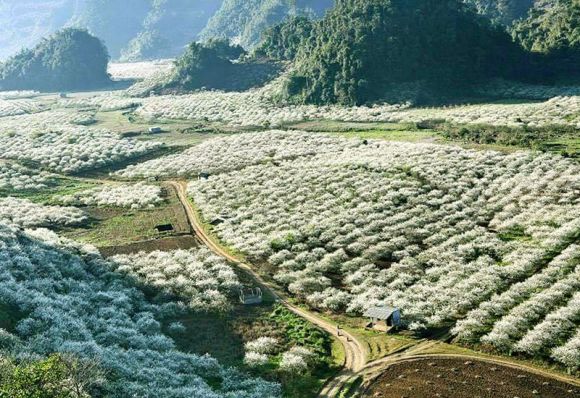
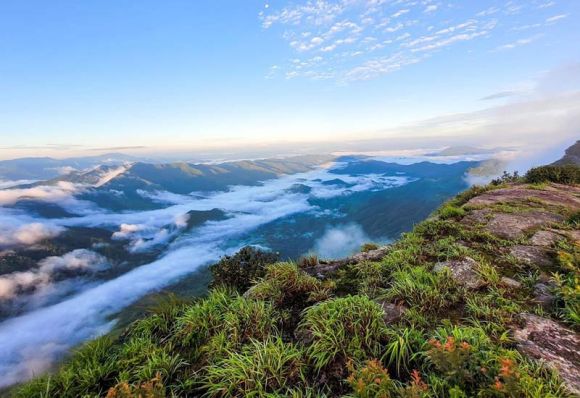
The character of Ba Be comes from the way its natural scenery and village life exist side by side. The national park covers a large area of limestone mountains and forest, while communities continue to live and work around the lake and valleys.
The scenery changes as you travel through the area. One moment you may be following a narrow road between mountains, and a few minutes later the landscape opens onto rice fields or a quiet village. Near the lake, wooden boats move slowly across the water while forested hills rise behind them.
This combination makes Ba Be particularly suitable for travelers who prefer slow travel and outdoor experiences rather than a tightly packed sightseeing schedule.
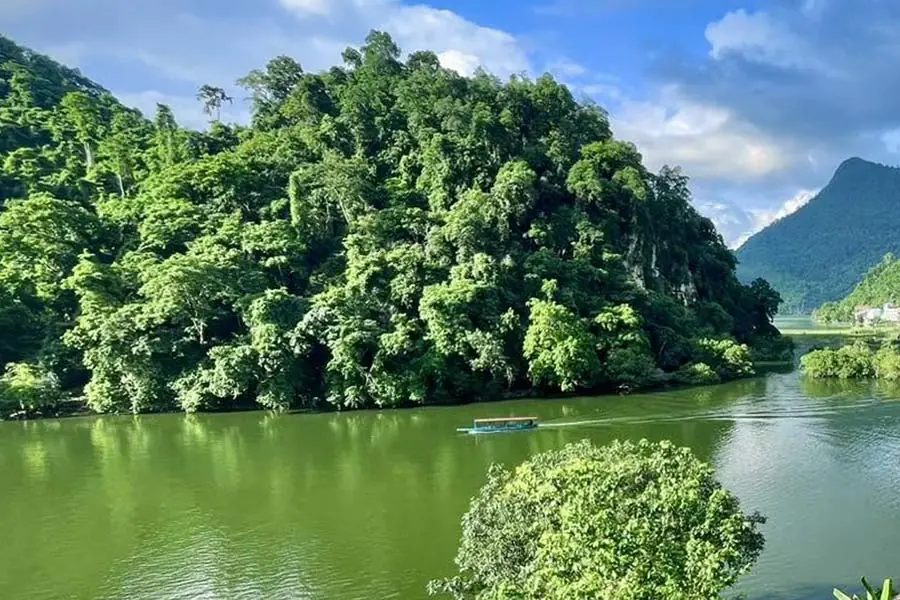
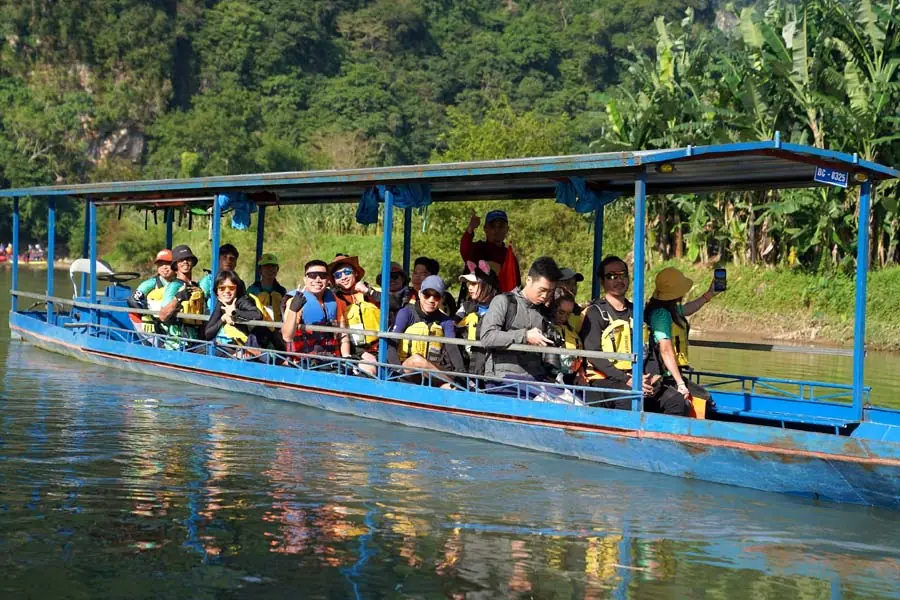
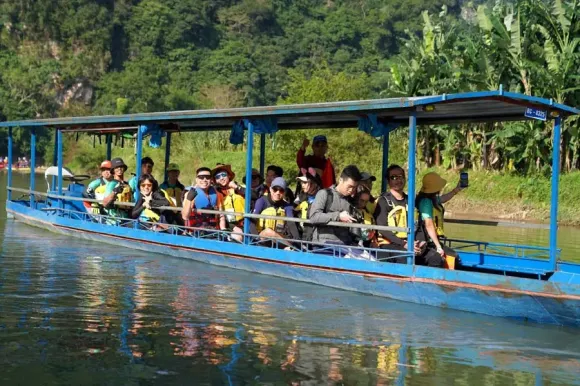
A boat ride is one of the most enjoyable ways to experience the park. Instead of viewing the lake from a single point, you gradually move through different sections of the landscape, with mountains, forests and village areas appearing along the route.
The atmosphere is especially peaceful when the lake is calm. There is little need to rush from one viewpoint to another. You can simply sit back, photograph the scenery and watch everyday life along the shoreline.
The boat route can also connect visitors with other natural highlights in the area, including the Nang River and Puong Cave. For many travelers, the boat journey itself becomes one of the most memorable parts of a Ba Be trip.

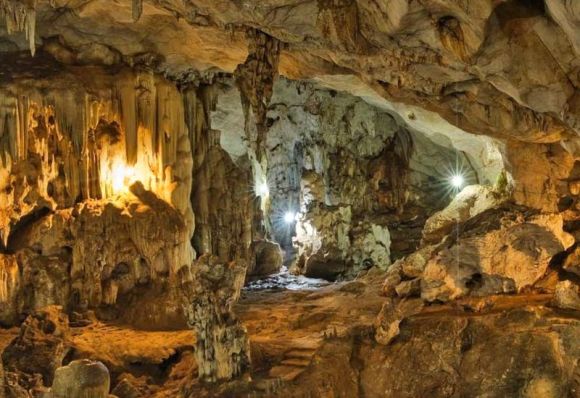
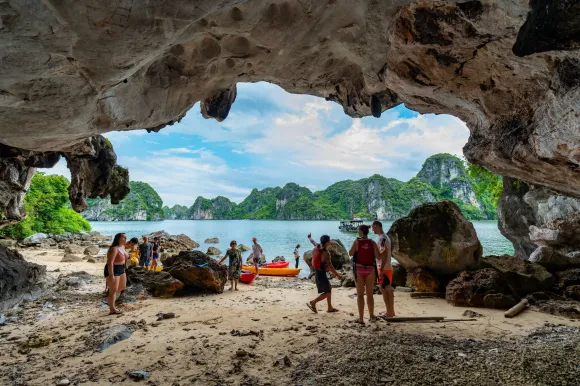
Puong Cave offers a completely different landscape from the open lake. The Nang River passes directly through the limestone mountain, creating a natural passage that can be explored by boat.
As the boat moves into the cave, the surroundings become darker and cooler. The limestone walls rise above the river, while natural formations create an impressive underground environment.
Rather than spending a long time inside the cave, most visitors experience it as part of a wider boat journey through Ba Be. This combination of open water, river scenery and limestone formations makes the excursion more varied and interesting.
The Nang River continues through the mountainous landscape toward Dau Dang Waterfall, where water moves through a series of rocky sections.
The waterfall is surrounded by trees and rugged terrain, making it a pleasant place to stop and enjoy the natural environment. Its appearance can vary according to the season and recent rainfall, so the atmosphere may be gentle at one time of year and much more powerful at another.
For travelers exploring Ba Be at a relaxed pace, Dau Dang works well as part of a day combining the lake, cave and surrounding villages.
One of the most valuable aspects of visiting Ba Be is the opportunity to see how local communities live in the mountains.
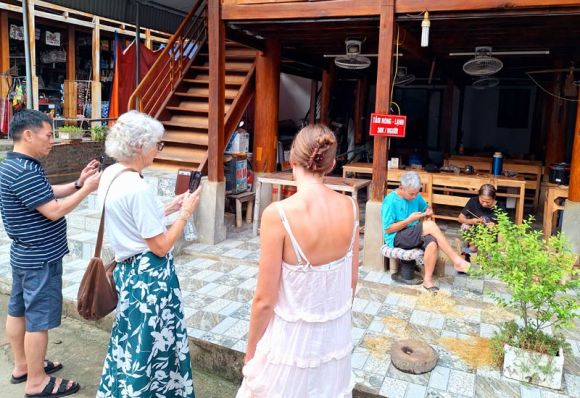
The Tay people form an important part of the local population, and villages around Ba Be retain traditional houses, farming practices and community customs. In some areas, houses are built on stilts, with living spaces raised above the ground and surrounded by gardens, fields or small waterways.
A village visit is more meaningful when you take time to interact with local residents rather than simply passing through. Depending on your itinerary, you may see traditional weaving, agricultural activities or daily household life.
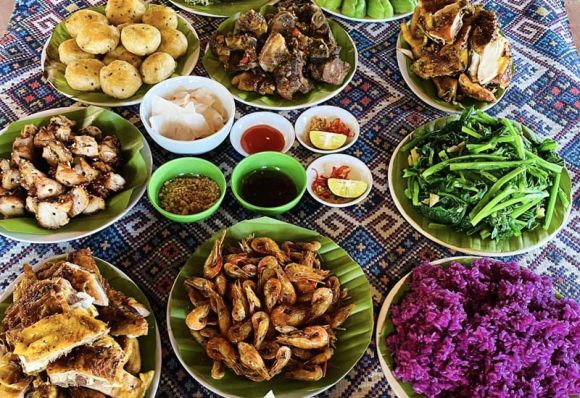
For visitors staying overnight, a homestay provides an even closer connection with the local environment. A simple evening meal, a quiet village setting and a night away from the city can become an important part of the overall Ba Be experience.
Ba Be is also suitable for travelers who enjoy exploring on foot or by bicycle.
Walking routes lead through forest areas, farmland and villages, offering a closer look at the landscape. The experience is less about reaching a particular viewpoint and more about enjoying the changing scenery along the way.
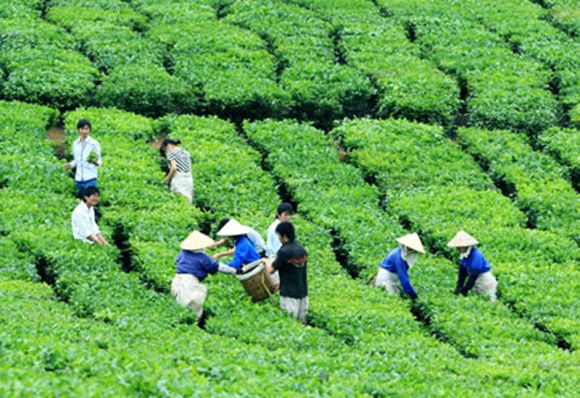
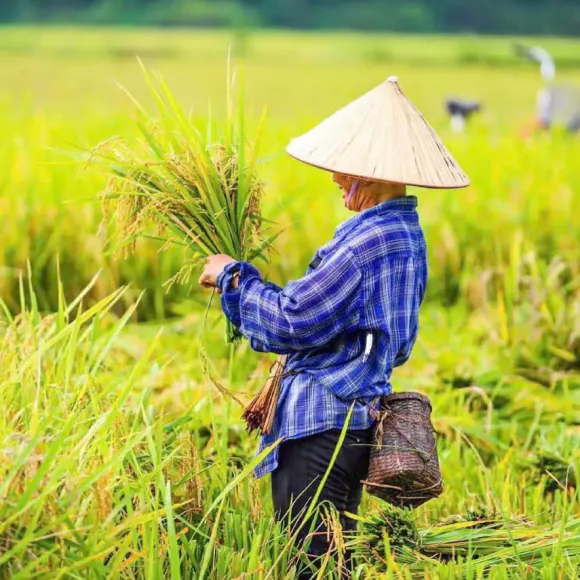
Cycling is another excellent option. Quiet roads around the villages allow travelers to move at a comfortable pace and stop whenever something catches their attention. You may pass rice fields, traditional houses, small streams and farmers working outdoors.
If you prefer an active holiday, combining boating, hiking and cycling can give you a much deeper experience of the park than sightseeing by vehicle alone.
Ba Be is best appreciated when you do not have to leave immediately after visiting the main attractions.
A night in a local homestay gives you time to experience the area after the day-trippers have gone. The surroundings become quieter in the evening, and the atmosphere is very different from that of Hanoi.
Accommodation in the area is generally simple rather than luxurious, but this is part of the appeal. The focus is on the setting, local hospitality and connection with the village.
Travelers should consider a homestay if they want to experience local food, traditional architecture and everyday village life as part of their northern Vietnam journey.
Ba Be National Park can be visited throughout the year, although each season offers different conditions.
March to May is generally comfortable for hiking and cycling, with fresh vegetation and pleasant temperatures.
June to August brings warmer weather and more rainfall. The landscape is especially green, although occasional showers may affect outdoor activities.
September to November offers cooler conditions and is a good period for exploring the countryside and surrounding villages.
December to February can be chilly, particularly in the mornings and evenings, but the quieter atmosphere may appeal to travelers who prefer fewer visitors.
As weather in mountainous areas can change quickly, checking the forecast before outdoor activities is recommended.
Ba Be National Park is approximately 230 kilometers from Hanoi, but the journey usually takes around 5–6 hours due to the mountainous roads and scenic countryside along the way.
For families, couples and small groups, traveling by private car with an experienced driver and tour guide is a comfortable and flexible option. A private tour allows you to travel at your own pace, make photo stops, visit local villages and enjoy a more personalized experience.
If you have more time, consider including Ba Be in a Northern Vietnam tour together with Cao Bang, Ban Gioc Waterfall and Ha Giang. This route combines spectacular mountain scenery, ethnic villages, waterfalls and authentic rural experiences.
A 2-day, 1-night Ba Be tour is a practical choice for first-time visitors. It gives you enough time to travel from Hanoi, enjoy a boat trip, explore Puong Cave, visit local villages and spend a night in the countryside.
If you enjoy hiking, cycling or photography, extending the trip to 2 or 3 nights allows you to explore at a much slower pace. You can spend more time in the villages, take longer walks or simply enjoy the peaceful surroundings.
A day trip may be possible for travelers with limited time, but the long journey from Hanoi means that an overnight stay is generally more rewarding.
Ba Be is not a destination that needs to be rushed. Its appeal lies in the combination of beautiful natural scenery and everyday village life.
You can spend the morning cruising across a peaceful lake, explore a limestone cave by boat, cycle past rice fields in the afternoon, and end the day sharing a meal with a local family. These simple experiences offer an authentic glimpse into rural life in northern Vietnam.
For travelers looking to venture beyond major cities and famous attractions, Ba Be National Park offers a slower, more personal way to experience the mountains, nature, and local communities of northern Vietnam. You can also combine Ba Be with the spectacular Ban Gioc Waterfall in Cao Bang and the scenic Ha Giang Loop for a more extensive adventure through northern Vietnam.
Contact Asia Eyes Travel for more tour information, personalized itineraries, and special offers. Let us help you plan a memorable trip with competitive prices and experiences tailored to your interests.
11-Day Northern Vietnam Tour Package
12-Day Essential North Vietnam Tour
6-Day Northern Vietnam Nature & Heritage Tour
Authentic North Vietnam Tour 8 Days