Vietnam Food Tours offer one of the most enjoyable ways to discover the country beyond its famous landmarks. Vietnamese cuisine is loved for its fresh ingredients, fragrant herbs and balanced combination of sweet, sour, salty and spicy flavors, with each region offering a distinct culinary identity. In Hanoi, travelers can experience delicate Northern flavors and aromatic noodle soups; Hue and Hoi An introduce more richly seasoned Central Vietnamese specialties; while Ho Chi Minh City is known for diverse Southern dishes with sweeter and richer flavors. Joining a food tour also makes it easier to discover trusted local eateries, hidden food spots and traditional markets that can be difficult to find independently. With a knowledgeable local guide, you can learn how to enjoy unfamiliar dishes, understand local dining customs and discover the stories behind the food. For travelers who want to experience Vietnam through its everyday flavors and culture, a well-planned Vietnam Food Tour can be one of the highlights of the journey.
Vietnam offers diverse culinary experiences from North to South, making Vietnam Food Tours a great way to explore the country through local flavors. Hanoi Food Tours highlight Northern specialties such as pho and bun cha, while Ho Chi Minh City Food Tours introduce Southern favorites including com tam, banh mi and hu tieu. In Central Vietnam, Hue Food Tours showcase refined imperial cuisine and savory local dishes, while Hoi An Food Tours focus on regional specialties and traditional food culture. If your itinerary allows, combining food tours in several destinations is an excellent way to experience the distinctive flavors, ingredients and culinary traditions of Vietnam.
Hanoi is an excellent starting point for discovering Vietnamese food. The city's culinary culture is closely connected to its streets, traditional markets, small family-run restaurants and cafés.
No visit to Hanoi is complete without trying pho, Vietnam’s most iconic noodle soup. Northern-style pho is known for its clear, aromatic broth, soft rice noodles and tender beef or chicken. A morning bowl at a busy local eatery offers a simple way to experience how this dish fits into everyday life in Hanoi and makes a natural highlight of Hanoi Food Tours.
Bun cha brings a completely different flavor to the table. Grilled pork is served with rice vermicelli, fresh herbs, pickled vegetables and a savory dipping sauce, with the ingredients kept separate so you can combine them as you eat. The smoky pork, fresh herbs and tangy sauce create a satisfying balance and are a favorite discovery on Hanoi Street Food Tours.
Banh cuon is a lighter local specialty, made from thin steamed rice rolls filled with minced pork and wood ear mushrooms. Served with fresh herbs, fried shallots and dipping sauce, it is commonly enjoyed for breakfast. Its delicate texture and subtle flavors offer a different perspective on Hanoi’s everyday food culture.
For a sweet finish, try ca phe trung, or egg coffee. Strong Vietnamese coffee is topped with a smooth mixture of egg yolk and sugar, creating a rich, creamy drink with an almost dessert-like character. In the Hanoi Old Quarter, it is easy to combine a coffee stop with nearby food stalls, local eateries and evening exploration.
Experience Hanoi through its distinctive food culture with carefully planned Hanoi Food Tours by Asia Eyes Travel. From iconic pho and bun cha to banh cuon, Hanoi egg coffee and vibrant evening street food, these experiences introduce the flavors, local eateries and everyday dining traditions that make Hanoi a highlight of any Vietnam Food Tour.
Hue offers a distinctive culinary experience shaped by its history as Vietnam’s former imperial capital. The city combines refined royal-inspired dishes with simple local specialties, often served in small portions that make it easy to sample several flavors in one meal. From spicy noodle soup to delicate rice cakes and clam rice, Hue’s cuisine is known for bold flavors, fresh herbs and careful presentation.
Bun bo Hue is the dish most closely associated with the city. This aromatic noodle soup combines beef, pork and rice vermicelli in a rich broth flavored with lemongrass and chili. Compared with the more delicate taste of Northern pho, bun bo Hue has a stronger, spicier character, making it an essential stop on Hue Street Food Tours.
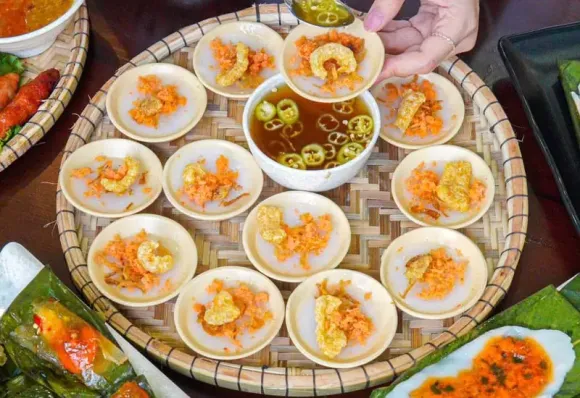
Banh beo, banh nam and banh loc are among the local specialties worth trying in Hue. Made mainly from rice flour with ingredients such as shrimp and pork, each variety has its own texture and preparation style. They are typically served with fish sauce, fried shallots or crispy toppings. Sampling several types together is a great way to appreciate the variety of Hue’s traditional cuisine.
Experience the flavors of Hue with Asia Eyes Travel. From local specialties to authentic food experiences, our Hue Food Tours are designed to make it easy to taste the city’s distinctive cuisine and enjoy Hue like a local.
Hoi An is one of Central Vietnam’s most rewarding destinations for food lovers, where historic streets, local markets and riverside neighborhoods create a unique setting for culinary exploration. The town is especially known for a handful of distinctive specialties, from chewy noodles and delicate dumplings to fragrant chicken rice.
Cao lau is perhaps the dish most closely associated with Hoi An. Thick rice noodles are served with slices of pork, fresh herbs, vegetables and crispy toppings, creating a satisfying contrast of textures. Closely connected to the town’s culinary heritage, cao lau is an essential dish to try when exploring Hoi An food experiences.
Known locally as banh bao banh vac, white rose dumplings are delicate shrimp-filled dumplings carefully shaped to resemble flowers. They are typically topped with crispy shallots and served with a light dipping sauce. Their beautiful appearance makes them a popular stop on Hoi An Street Food Tours, while their subtle flavor offers a gentler contrast to some of Central Vietnam’s more strongly seasoned dishes.
Hoi An chicken rice combines fragrant rice with shredded chicken, fresh herbs, onions and a flavorful sauce. Although simple in appearance, the dish has a distinctive local character and is quite different from familiar Western-style chicken and rice. It is an easy choice for travelers looking for a filling meal while exploring the town.
If you are looking for authentic Hoi An Food Tours, here are some of our recommended experiences:
Ho Chi Minh City is one of Vietnam’s most exciting destinations for food lovers, combining Southern Vietnamese specialties with culinary influences from across the country. The city’s food scene becomes especially lively after sunset, when local eateries, street stalls and busy neighborhoods offer an easy way to taste different dishes while experiencing everyday city life.
Banh mi is one of the easiest ways to start exploring Vietnamese street food. A crisp baguette is filled with combinations of pâté, meat, pickled vegetables, cucumber, herbs and savory sauces. Since each vendor has their own recipe and style, trying banh mi from different places can reveal surprisingly different flavors.
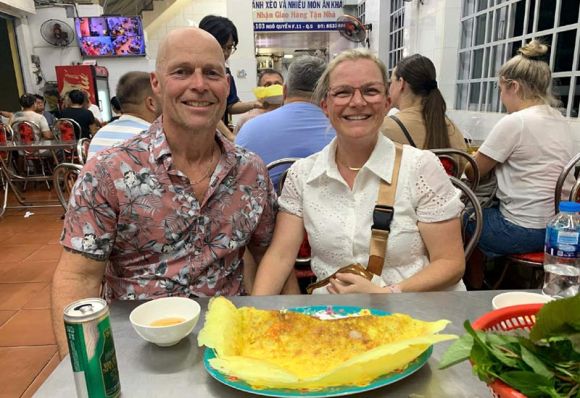
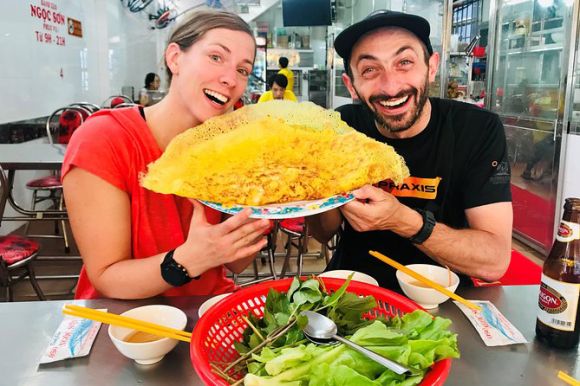
Banh xeo is a crispy savory pancake made from rice flour and turmeric, usually filled with pork, shrimp and bean sprouts. To enjoy it traditionally, break off a piece, wrap it with lettuce and fresh herbs, then dip it into fish sauce. The combination of crisp textures and fresh flavors makes it particularly enjoyable to share.
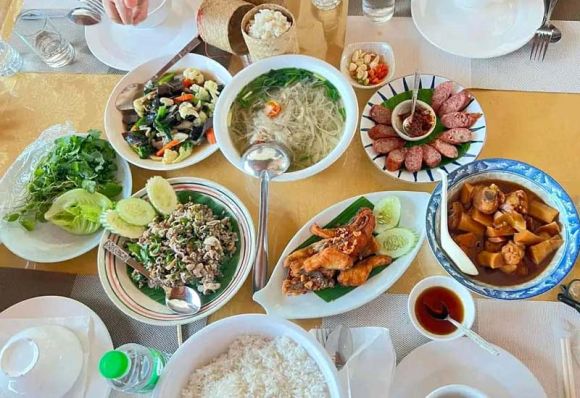
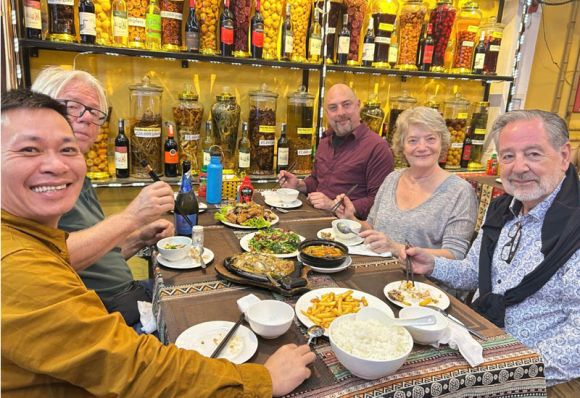
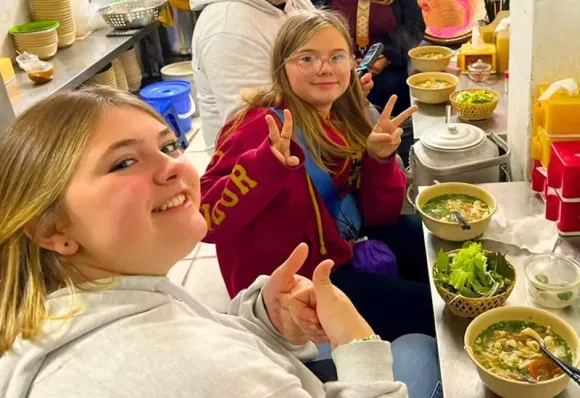
A Vietnam Food Tour may be more casual than a conventional restaurant meal. You might sit on a small stool, share dishes or eat at a family-run local eatery, with food served at different times. Fresh herbs, vegetables and dipping sauces are often served separately, and your local guide can show you how to combine them.
Fresh herbs such as mint, Vietnamese coriander, basil and bean sprouts add texture and freshness, while fish sauce is often mixed with lime, sugar and chili for a balanced flavor.
Instead of one large meal, you may sample several smaller dishes, making it easy to try more specialties. Carry some Vietnamese dong, as small food stalls and local eateries may prefer cash.
Make the most of your Vietnam Food Tours by starting with local specialties rather than familiar international dishes. Try smaller portions at each stop so you have room to sample more foods throughout the experience.
If you have dietary restrictions, food allergies or avoid certain ingredients, tell your guide in advance. It is also helpful to mention your spice tolerance, especially when trying Central Vietnamese dishes.
Consider tasting local food at different times of day, from breakfast specialties such as pho and banh cuon to lively evening street food. Most importantly, keep an open mind. Ask questions, watch how dishes are prepared and take time to enjoy the food as part of everyday Vietnamese culture.
Ready to experience Vietnam beyond its famous dishes? Contact Asia Eyes Travel to enjoy local food, street markets and regional specialties with knowledgeable guides. From Hanoi and Hue to Hoi An and Ho Chi Minh City, we can tailor your Vietnam Food Tour around the flavors, places and experiences you want to enjoy.
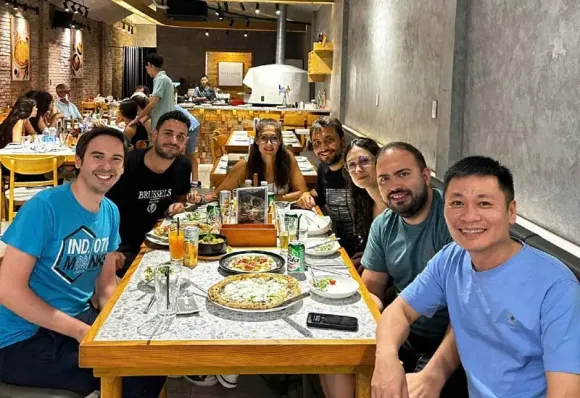
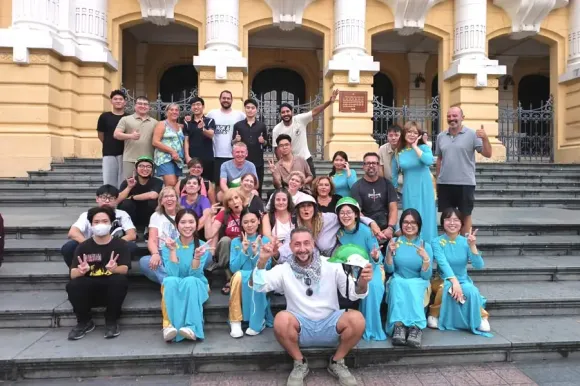
Hanoi Fabulous Food and Sights Tour by Scooter
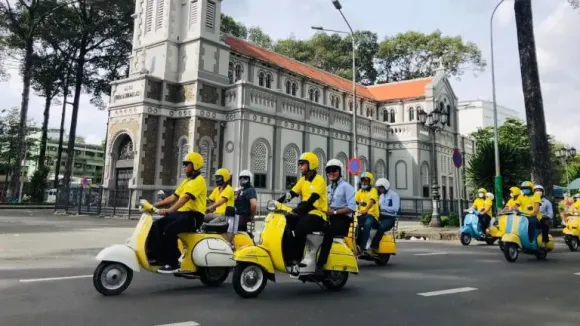
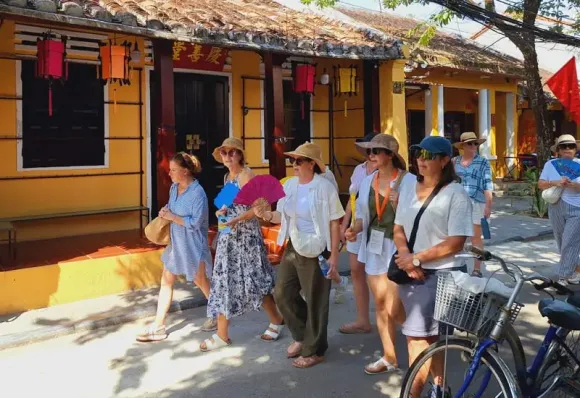
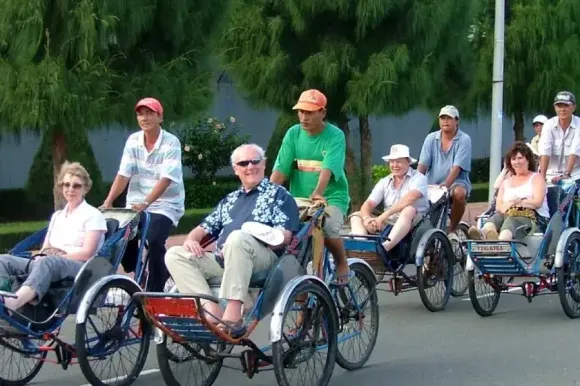
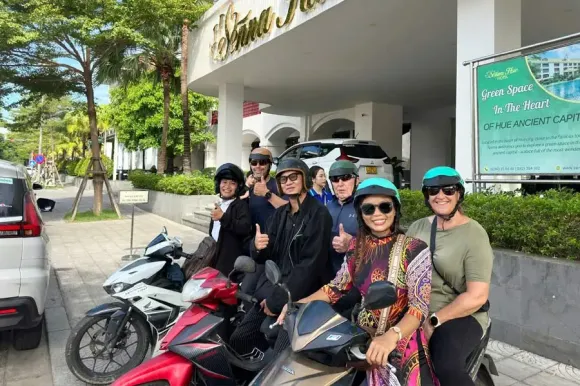
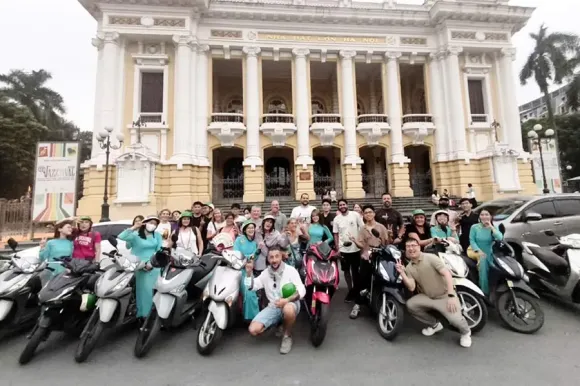
Hanoi Night Lights and Food Tour by Scooter with Female Drivers