Vietnam is home to hundreds of traditional festivals, offering international travelers a deeper connection with the country’s history, beliefs, food and local traditions. From northern spring celebrations to cultural events in central and southern Vietnam, joining a festival can make a Vietnam trip more memorable and meaningful. For travelers planning Vietnam Cultural Tours, these events are also a chance to experience local customs beyond the usual sightseeing attractions. If you need advice on choosing the right festival and arranging your itinerary, Contact Asia Eyes Travel DMC Vietnam for practical travel support and local tour arrangements.
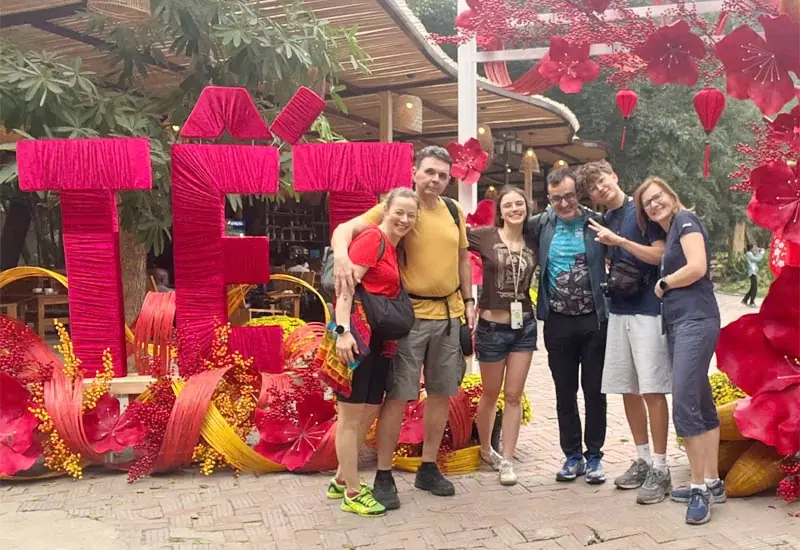
Vietnam Lunar New Year, commonly known as Tet, is the most important celebration in Vietnamese culture. It usually falls in January or February and marks the beginning of the lunar new year. Streets and homes are decorated with flowers, colorful displays and traditional symbols of good fortune, while families gather for meals and ancestral traditions. For Western travelers, Tet offers a fascinating look at Vietnamese family culture, although many shops and businesses close during the main holiday period. Hanoi, Ho Chi Minh City and Hue are particularly interesting places to experience the festive atmosphere, especially in the days leading up to New Year’s Eve.
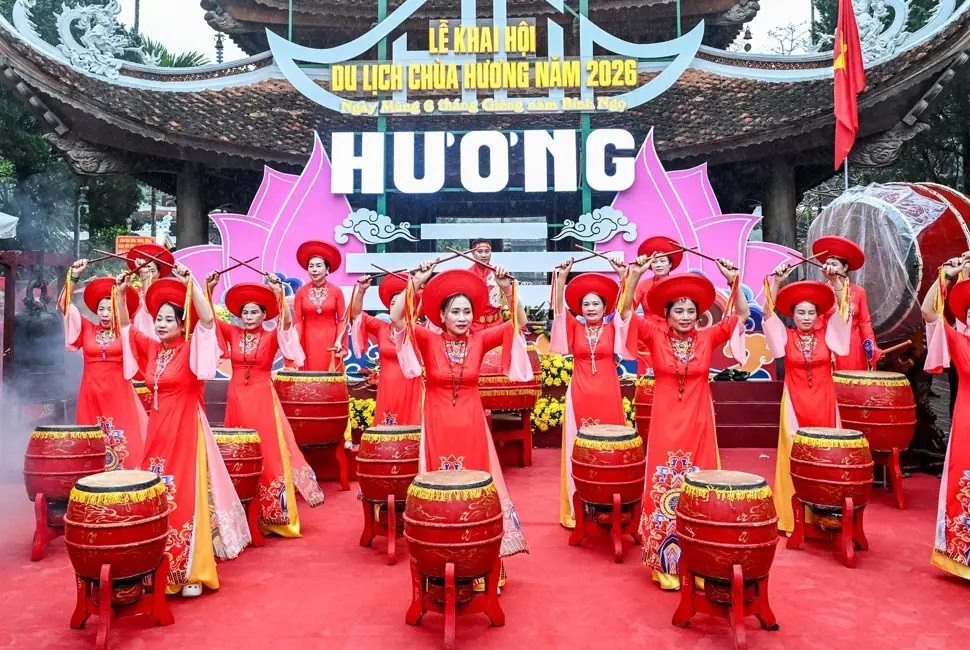
Perfume Pagoda Festival is one of northern Vietnam’s most important Buddhist and cultural celebrations, held at the Perfume Pagoda complex in Huong Son. The festival begins during the first lunar month and attracts visitors and pilgrims throughout the spring season. The journey is part of the experience, with a scenic boat ride along the Yen River followed by a visit to temples and pagodas surrounded by limestone mountains. For Western travelers, it offers a chance to experience Vietnamese Buddhism, traditional rituals and rural scenery in one trip. The festival can also be included in a cultural day trip from Hanoi.
The Hung Kings Festival is an important national cultural event honoring the legendary Hung Kings, traditionally regarded as the founders of the Vietnamese nation. The main celebrations take place at the Hung Temple complex in Phu Tho, north of Hanoi, during the third lunar month. Pilgrims gather for processions, ceremonies and traditional activities connected with the country’s ancient origins. For international visitors interested in Vietnamese history, this festival provides useful cultural context beyond the major attractions of Hanoi. It can also be incorporated into a broader northern Vietnam itinerary that includes Hanoi, Ninh Binh and other heritage destinations.
Giong Festival is a traditional celebration honoring Saint Giong, one of Vietnam’s legendary national heroes. The festival is associated with several locations around Hanoi, with the Soc Temple and Phu Dong area particularly important to its traditions. Ceremonies, processions and symbolic performances recreate elements of the legend and reflect the cultural heritage of northern Vietnam. Travelers staying in Hanoi can combine a visit to the festival area with city sightseeing and nearby attractions. For Western visitors, Giong Festival is especially interesting because it is not simply a public celebration but a traditional cultural event where stories, rituals and community participation remain closely connected.
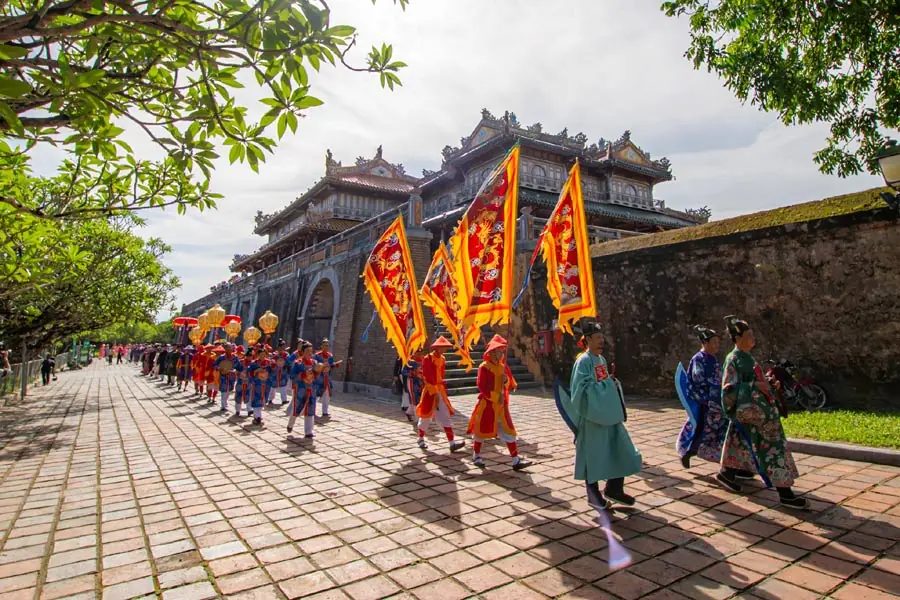
Hue is Vietnam’s former imperial capital, and its festival calendar provides an excellent setting for experiencing the city’s royal heritage through performances, arts, food and cultural events. Hue Festival has developed into a year-round festival format with seasonal programs, while individual events can vary from one year to another. For travelers interested in history and culture, festival activities can complement visits to the Imperial City, royal tombs and traditional craft areas. Depending on the year, visitors may find cultural performances, exhibitions, traditional ceremonies and contemporary artistic programs taking place across the city.
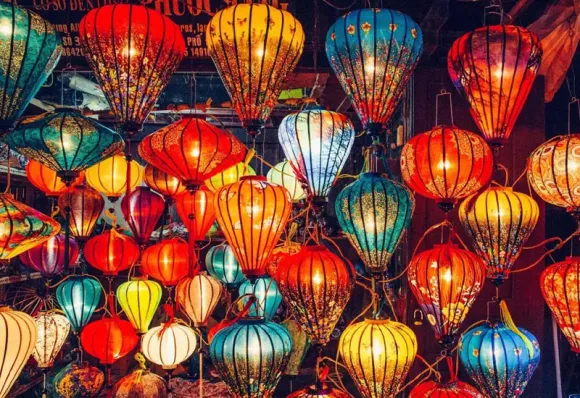
The Hoi An Lantern Festival is one of the most atmospheric cultural experiences for visitors traveling through central Vietnam. Around the full moon, parts of Hoi An Ancient Town become illuminated by colorful lanterns, while the Thu Bon River provides a beautiful setting for traditional evening activities. The festival is especially appealing to first-time visitors because it can easily be combined with Hoi An walking tours, food experiences and visits to historic landmarks. Travelers should expect crowds and plan their evening in advance, particularly around popular festival dates. A visit can add a memorable cultural evening to a wider central Vietnam itinerary.
Kate Festival offers a different perspective on Vietnam by highlighting the religious and cultural traditions of the Cham Brahman community. Traditionally held around late September or early October, the festival features ceremonies, music, traditional performances and rituals connected with Cham heritage. It is particularly associated with communities in south-central Vietnam. For Western travelers looking beyond mainstream sightseeing, Kate Festival can be a meaningful cultural addition to an itinerary through the region. The event provides an opportunity to learn more about Cham history, architecture, music and religious traditions while seeing a distinctive part of Vietnam’s multicultural heritage.
The Central Highlands is famous for its distinctive gong traditions, which form an important part of the region’s cultural identity. The Gong Culture Festival brings together performances, rituals and cultural activities connected with the gong traditions of ethnic communities in the Central Highlands. For travelers who have already visited Vietnam’s major cities and beaches, this type of event offers a chance to experience a less familiar side of the country. Performances of traditional gongs are often accompanied by community activities, music and cultural demonstrations, giving visitors a closer look at the living heritage of Vietnam’s Central Highlands.
Ok Om Bok is an important traditional festival of the Khmer community in Vietnam’s Mekong Delta, particularly associated with Soc Trang. Usually held on the 14th day of the tenth lunar month, the festival gives thanks to the Moon and celebrates agricultural traditions. One of its most exciting attractions is the Ngo boat race, which brings large crowds and creates an energetic atmosphere along the waterways. International travelers visiting the Mekong Delta can combine the festival with experiences in local markets, villages and waterways. It is a particularly good choice for visitors who want to understand the cultural diversity of southern Vietnam beyond the better-known destinations.
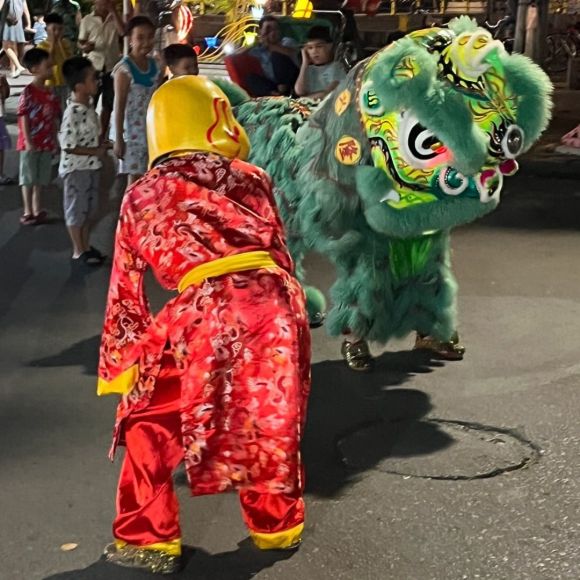
Mid-Autumn Festival, or Tet Trung Thu, takes place on the 15th day of the eighth lunar month and is traditionally associated with children, family gatherings, lanterns, mooncakes and lion dances. For travelers, it can be experienced in many parts of Vietnam, but Hanoi and Hoi An are especially atmospheric. In Hoi An, lanterns and evening activities create a memorable setting around the Ancient Town, while Hanoi offers traditional festive scenes and seasonal decorations. The exact date changes each year according to the lunar calendar, so visitors should check the local schedule when planning Vietnam tours around this celebration.
Festival experiences in Vietnam can be very different from ordinary sightseeing. Some events are centered on temples and religious ceremonies, while others feature music, traditional performances, processions, food or large community gatherings. Visitors should dress respectfully when entering religious sites and follow local instructions during ceremonies. Popular festivals can also become crowded, so arranging transportation and accommodation in advance is useful, particularly for travelers visiting from overseas.
For international visitors, the easiest approach is often to combine a festival with nearby destinations rather than build an entire trip around one event. For example, Huong Pagoda Festival can fit naturally into a Hanoi itinerary, while Hoi An Lantern Festival works well with a central Vietnam journey including Da Nang and Hue. This allows travelers to experience local celebrations while still enjoying the country's major cultural and scenic attractions.
The first lunar month symbolizes renewal and collective hope. These festivals are not staged performances but authentic community events rooted in centuries of belief and tradition. For international travelers, participating respectfully in these celebrations provides:
Ready to experience Vietnam beyond the usual sightseeing? Contact us to plan a cultural journey around Vietnam’s most memorable festivals, with suitable destinations, local experiences and convenient travel arrangements. Asia Eyes Travel can help you combine festival visits with cultural tours across Hanoi, Hue, Hoi An, the Central Highlands and the Mekong Delta. Contact us via WhatsApp +84 935 946 688 (Mr. Thuc Nguyen) or email info@asiaeyestravel.com to discuss your Vietnam itinerary and tour options.
Authentic North Vietnam Tour 8 Days
Vietnam Family Tour 16 Days from North to South

Vietnam Cultural Tour 18 Days from Ho Chi Minh City to Hanoi
Discover the Beauty of Vietnam 10 Days
North Vietnam Itinerary 7 Days
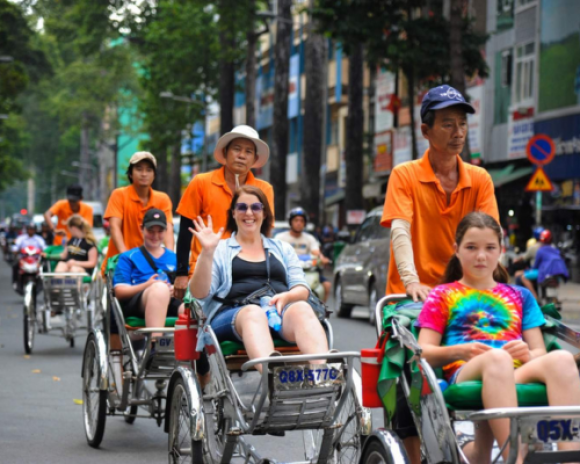
Best Of Vietnam Package Tour in 14 Days
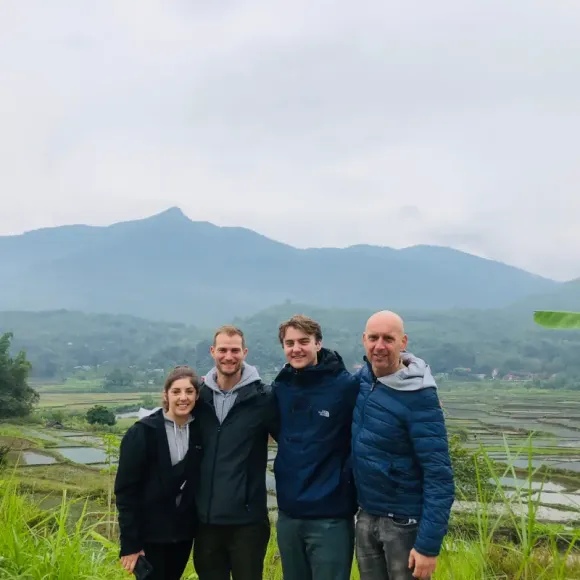
12-Day Essential North Vietnam Tour
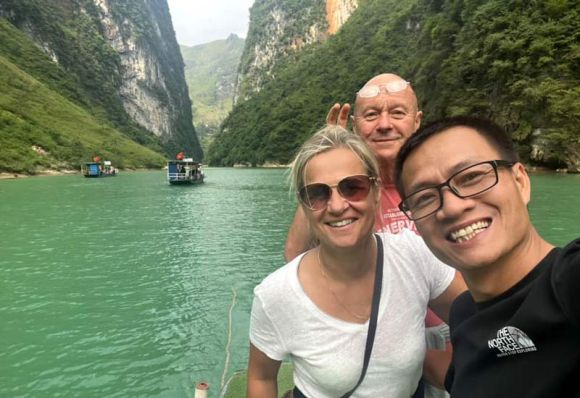
7-Day Ethnic Culture & Mountain Adventure