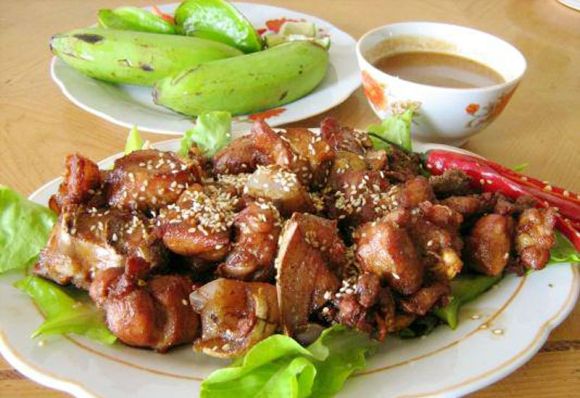
The Top 5 Traditional Craft Villages in Ninh Binh reflect the region’s rich cultural heritage through embroidery, pottery, sedge weaving, stone carving, and carpentry. Passed down through generations, these traditional crafts preserve local identity, craftsmanship, and cultural values while showcasing the creativity of Vietnamese artisans.
Today, these villages offer visitors a unique opportunity to experience authentic local culture, learn about centuries-old traditions, and support communities that continue to preserve Ninh Binh’s living heritage.
Asia Eyes Travel invites you to explore these traditional craft villages and discover a different side of Ninh Binh beyond its famous landscapes.
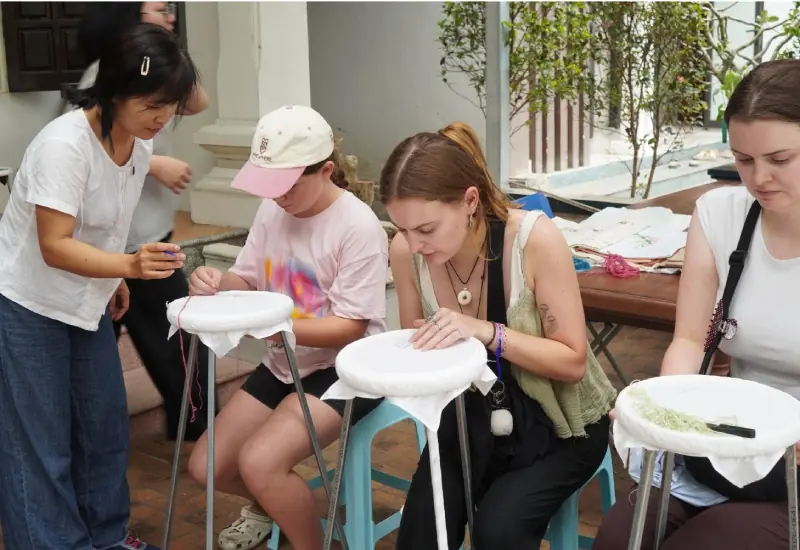
With a history of more than 700 years, Van Lam Embroidery Village is considered the cradle of traditional embroidery in Ninh Binh. According to local history, the craft was introduced in 1285 by Tran Thi Dung, a royal figure of the Tran Dynasty, who taught villagers court-style embroidery techniques. Today, embroidery remains deeply rooted in local life, with generations of artisans preserving the craft. Visitors can admire finely crafted embroidered paintings, tablecloths, and decorative items that reflect both artistic skill and cultural heritage.
Bo Bat Pottery Village is one of the oldest centers of Vietnamese ceramics and is widely regarded as the birthplace of Bat Trang pottery. Despite periods of decline, local artisans have successfully revived the craft, preserving techniques that date back centuries. The village is known for its elegant white-glazed pottery decorated with delicate patterns, showcasing the rustic beauty and enduring legacy of traditional Vietnamese ceramics.
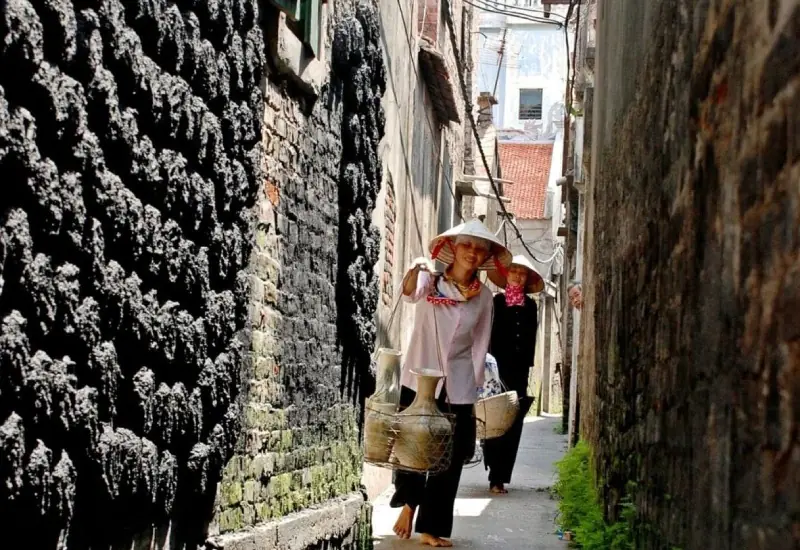
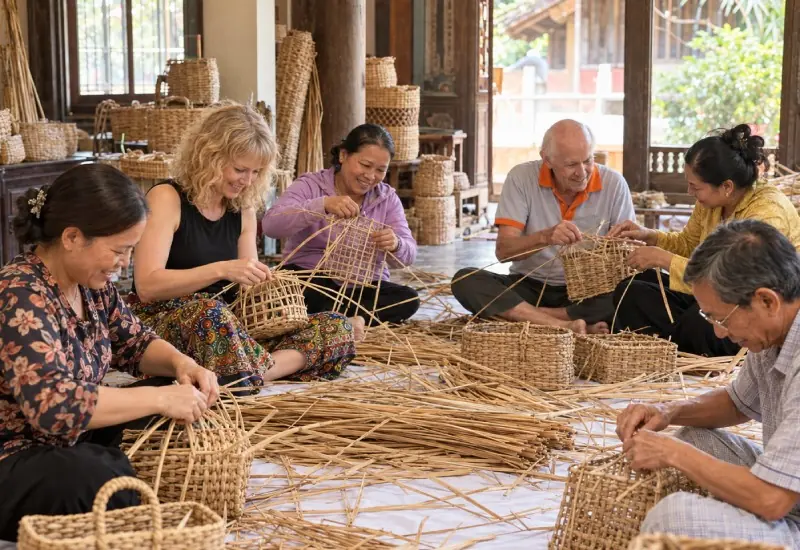
Founded in 1829 during the coastal land reclamation efforts led by Nguyen Cong Tru, Kim Son Sedge Weaving Village grew alongside the cultivation of sedge grass. Recognized as part of Vietnam’s intangible cultural heritage, the craft reflects the ingenuity of local communities in transforming natural materials into functional and artistic products. Today, woven mats, bags, hats, and home décor from Kim Son are exported worldwide, representing both sustainability and cultural identity.
For over 400 years, Ninh Van Stone Carving Village has been preserving one of Ninh Binh’s most respected traditional crafts. The village’s history is closely connected to the region’s abundant limestone mountains, which inspired generations of artisans to create statues, monuments, and architectural sculptures. Intricate stone carvings found in temples, pagodas, and cultural landmarks across Vietnam reflect the remarkable craftsmanship and artistic heritage of Ninh Van.
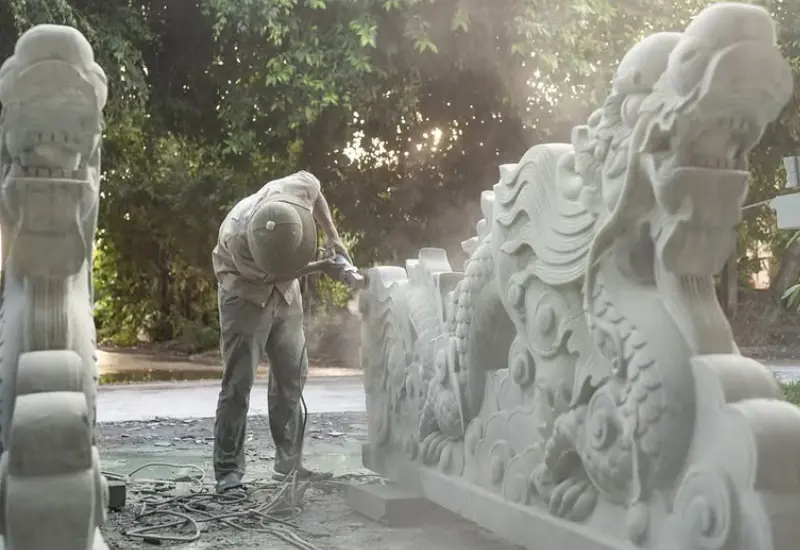
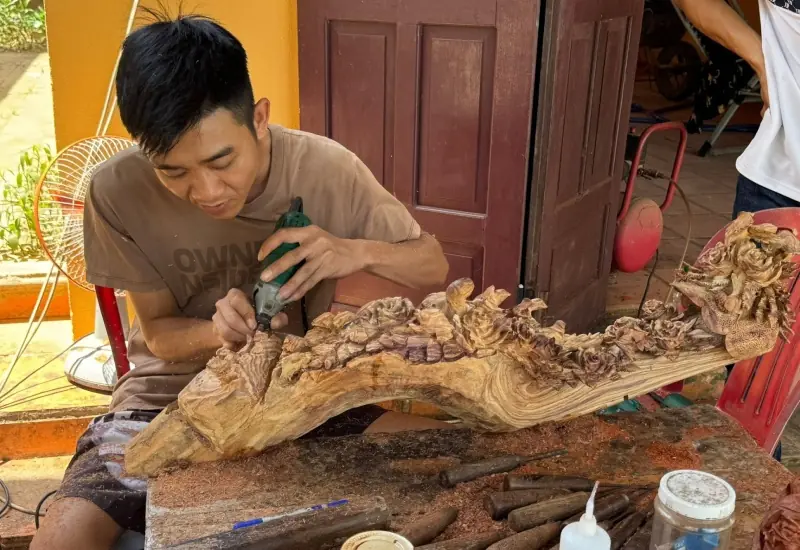
Phuc Loc Carpentry Village has maintained its woodworking tradition for centuries, passing skills and techniques from one generation to the next. Known for meticulous craftsmanship and detailed wood carvings, the village produces furniture, worship objects, and architectural elements for communal houses, pagodas, and traditional homes. More than a profession, carpentry remains an important part of local cultural identity and craftsmanship in Ninh Binh.
The best time to visit Traditional Craft Villages in Ninh Binh is from October to April, when the weather is cool, dry, and ideal for outdoor exploration. This season also allows visitors to conveniently combine craft village visits with famous attractions such as Trang An, Hoa Lu Ancient Capital, Tam Coc, and Mua Cave. For stunning scenery, consider visiting in late May or early June, when Tam Coc’s rice fields turn golden during the harvest season.
Limousine Bus: Takes 2–3 hours from Hanoi to Ninh Binh depending on traffic conditions, with hourly departures from 8:00 AM–12:00 PM and 2:00 PM–6:00 PM. Fares start at VND 250,000 (approximately US$10) per person. Guests should check schedules and availability in advance.
Private Car: Takes 2–3 hours, offering flexible travel and convenient hotel pickup. Prices start at US$65 - $120/car per vehicle, with 4-seat, 7-seat, and 16-seat options depending on capacity.
If you are wondering whether one day is enough to experience Ninh Binh’s craft villages, the answer is yes. A well-planned itinerary can combine visits to famous attractions such as Tam Coc, Trang An, or Hoa Lu Ancient Capital with one or two nearby craft villages.
For example, travelers can explore Tam Coc in the morning and visit Van Lam Embroidery Village afterward. Those interested in traditional arts and craftsmanship can dedicate a full day to discovering several villages while enjoying authentic local cuisine along the way.
Although a longer stay allows for deeper cultural immersion, even a single day offers a rewarding glimpse into Ninh Binh’s living heritage.
Looking for an authentic cultural experience in Ninh Binh, Vietnam? Discover traditional craft villages, meet local artisans, and explore breathtaking landscapes with Asia Eyes Travel. From the historic charm of Hoa Lu Ancient Capital to the scenic beauty of Trang An and Tam Coc, our carefully designed tours offer memorable experiences for cultural explorers, couples, and adventure seekers.
Contact Asia Eyes Travel to discover Ninh Binh tours and plan your next Northern Vietnam adventure.

Explore Cuc Phuong & Ninh Binh: 2-Day Private Tour

Ninh Binh Full Day Trip with Small Tour Group

Private trip to Ninh Binh from Hanoi

Ninh Binh Day Trip (Tam Coc - Hoa Lu - Cycling)
Experience Ninh Binh in 2 Days 1 Night