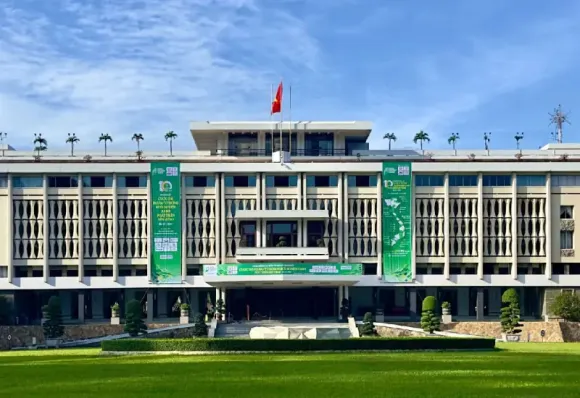
Independence Palace, also known as Reunification Palace or Dinh Doc Lap, is one of the most important historical landmarks in Ho Chi Minh City, Vietnam. Located in the heart of the city, the palace is closely associated with the end of the Vietnam War on April 30, 1975, and the reunification of the country.
Today, Independence Palace is a popular attraction for both local and international visitors interested in Vietnamese history, architecture, and culture. With its distinctive design, preserved presidential rooms, underground command center, and historical exhibitions, the palace offers a fascinating insight into an important period of Vietnam's past.
The history of Independence Palace dates back to the French colonial period. In 1868, the French administration began constructing Norodom Palace in Saigon as the residence and workplace of the Governor of Cochinchina. The building was completed in 1871 and later served as an important administrative center.
After the French colonial period, the palace was handed over to the South Vietnamese government and officially renamed Independence Palace in 1954. In 1962, the original building was heavily damaged during an air attack. President Ngo Dinh Diem subsequently ordered its demolition and the construction of a new palace.
The current Independence Palace was designed by Vietnamese architect Ngo Viet Thu. Construction began in 1962, and the building was officially inaugurated in 1966.
One of the most significant events in Vietnamese history took place here on April 30, 1975, when tanks entered the palace grounds, marking the end of the Vietnam War and the reunification of Vietnam. Since then, Independence Palace has become an important symbol of the country's historical journey toward peace and national unity.
Independence Palace is an outstanding example of modern Vietnamese architecture, combining contemporary design with traditional Eastern architectural principles. Designed by architect Ngo Viet Thu, the building features a harmonious layout, spacious halls, decorative details, and large windows overlooking its green surroundings.
The palace covers a large area and contains more than 100 rooms, including reception halls, meeting rooms, presidential offices, private living quarters, and entertainment spaces. Each room was designed and decorated according to its original function, reflecting the political and social life of the period.
The building also features a rooftop terrace, an underground bunker, and a spacious courtyard. Its architectural design makes Independence Palace not only an important historical monument but also an interesting destination for visitors who appreciate architecture and design.
Visitors can explore several floors and historical sections of the palace, each offering a different perspective on its former role as the presidential residence and administrative headquarters.
The grand reception halls were used for official ceremonies, diplomatic meetings, and important political events. Their elegant interiors, traditional decorations, and carefully preserved furnishings provide a glimpse into the formal atmosphere of the former presidential administration.
The palace preserves former offices, meeting rooms, and private living spaces used by the South Vietnamese president and his family. These rooms help visitors understand how the building functioned as both a workplace and a residence.
One of the most fascinating areas is the underground bunker, which contains communication equipment, military maps, operational rooms, and other facilities used during wartime. This section offers valuable insights into the military operations and decision-making processes of the period.
The rooftop terrace features a helicopter display and provides an interesting view of the palace grounds. Visitors can also see the historical marks associated with the air attack on the former building in 1962.
The exhibition spaces present photographs, documents, and artifacts documenting the development of the palace from the French colonial period to its role in modern Vietnamese history.
Historical Significance of Independence Palace
Independence Palace is more than an architectural landmark. It represents a major turning point in Vietnam's modern history and preserves important memories of the events surrounding April 30, 1975.
Recognized as a Special National Relic in 2009, the palace continues to serve as an educational and cultural destination. Its preserved interiors and historical collections allow visitors to learn about the country's past and reflect on the value of peace and national reunification.
If you are looking for Ho Chi Minh City tours or Vietnam tours starting from Southern Vietnam, Asia Eyes Travel is here to help. Contact us for the latest tour prices, special promotions, and customized itineraries tailored to your travel preferences, schedule, and budget. Let us help you plan your ideal Vietnam holiday and enjoy the best travel experience at competitive prices.

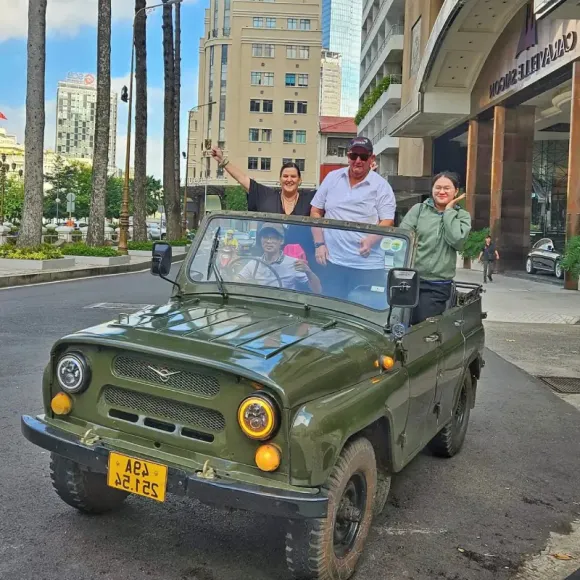
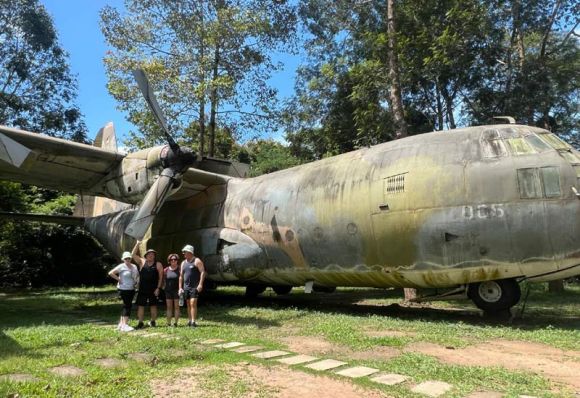
Half-Day Cu Chi Tunnels from Ho Chi Minh
Ho Chi Minh Half Day Tour – Culture & History Journey
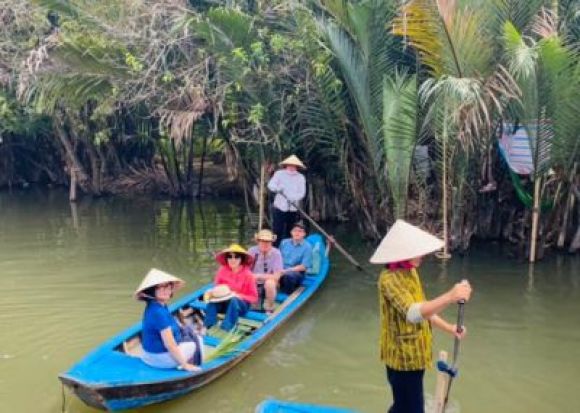
Mekong Delta Tour from Ho Chi Minh City (Small Group Tour)
Vietnam 11 Days Itinerary from Ho Chi Minh City

Vietnam Cultural Tour 18 Days from Ho Chi Minh City to Hanoi