Located in the heart of Quang Tri Town, Quang Tri Ancient Citadel (Thanh Co Quang Tri) is a historic fortress that once served as the administrative and political center of Quang Tri Province. Throughout its history, the citadel played an important role in the region's political, economic, and cultural development, as well as in the broader history of Vietnam.
On December 9, 2013, the Prime Minister of Vietnam officially recognized Quang Tri Ancient Citadel as a Special National Relic under Decision No. 2383/QD-TTg. Today, it stands as an important historical landmark, commemorating the sacrifices of Vietnamese soldiers and civilians during the war.
During the Vietnam War, the South Vietnamese government, supported by the United States, considered the Quang Tri defensive line one of its strongest strategic barriers in southern Vietnam. However, this defensive system was broken on May 1, 1972, forcing enemy forces to withdraw from Quang Tri Town. Quang Tri became the first province in southern Vietnam to be completely liberated, with a population of more than 100,000 people.
Unwilling to lose control of Quang Tri, the Saigon government, with extensive American military support, launched a major counteroffensive to recapture the province. The primary objective was to retake Quang Tri Ancient Citadel.
Politically, the Saigon government hoped that victory would restore the morale of its troops, reverse the growing sense of defeat, and strengthen its negotiating position at the Paris Peace Talks. Militarily, it aimed to stop the advance of Vietnamese forces, protect the former imperial capital of Hue, and regain control of Quang Tri, a strategically important gateway connecting Vietnam with Central and Southern Laos.
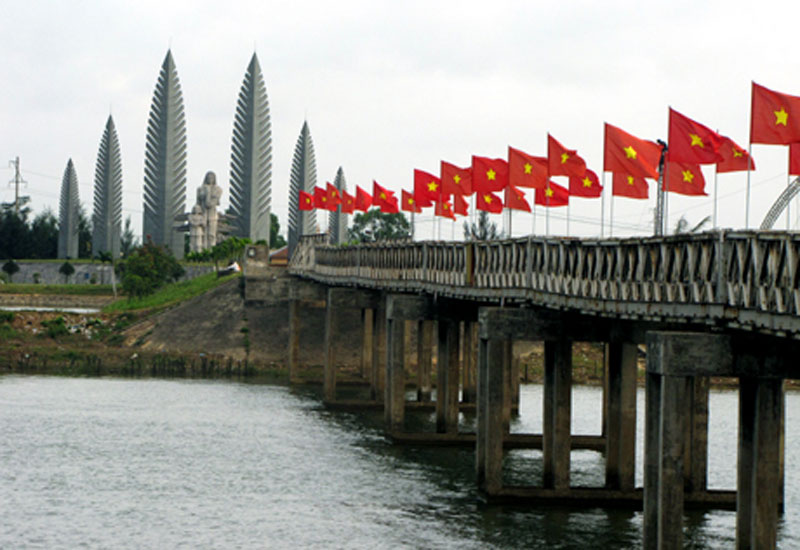
On June 13, 1972, South Vietnamese President Nguyen Van Thieu approved a major military campaign to recapture Quang Tri, code-named Operation Lam Son 72.
To ensure victory, the South Vietnamese government mobilized four of its strongest divisions, including the entire Airborne Division and Marine Division, which formed part of its strategic mobile forces. The campaign involved approximately 13 infantry regiments, 17 artillery battalions, five armored regiments, and extensive support from American aircraft and naval artillery.
Lieutenant General Ngo Quang Truong, one of the most prominent commanders in the Army of the Republic of Vietnam (ARVN), was appointed to lead Military Region I and I Corps.
On June 14, 1972, the campaign to retake Quang Tri officially began. The fighting soon developed into one of the fiercest battles of the Vietnam War, remembered as the Red Summer of Fire.
On the morning of June 28, 1972, supported by American air and naval forces, South Vietnamese divisions launched a large-scale offensive across the My Chanh River, advancing northward in an attempt to recapture lost territory.
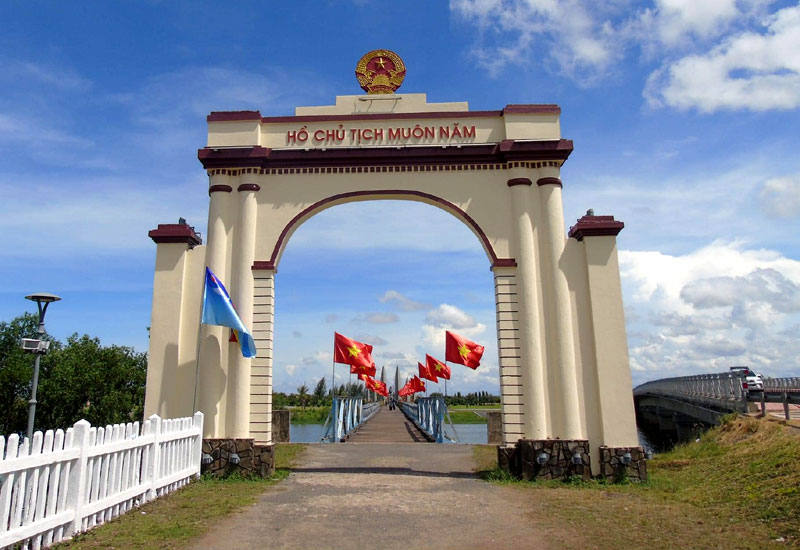
The battle for Quang Tri lasted 81 days and nights, from June 28 to September 16, 1972. It was marked by relentless fighting, intense bombardment, and fierce confrontations between the two sides.
Both forces fought for every meter of ground and every building. Heavy bombing and artillery fire devastated Quang Tri Town, leaving much of the area in ruins. Quang Tri Ancient Citadel was almost completely destroyed.
Some of the fiercest fighting took place at important defensive positions, including Long Quang, Tri Buu Church, Long Hung Intersection, and Cau Ga Intersection. Vietnamese liberation forces endured repeated attacks involving infantry, tanks, artillery, and air strikes. On some days, they faced as many as five major enemy assaults.
The citadel became the focal point of the battle and a symbol of extraordinary courage and sacrifice. Thousands of Vietnamese soldiers lost their lives while defending this historic site.
On September 16, 1972, Vietnamese forces made a strategic withdrawal from the citadel after inflicting heavy losses on the opposing forces. According to historical accounts from the Vietnamese side, the campaign resulted in significant enemy casualties and the destruction or damage of numerous military vehicles and aircraft.
The 81-day battle left an unforgettable mark on Vietnam's history. An article published in the People's Army Newspaper on August 9, 1972, described the enormous human cost of the fighting, stating that every square meter of the citadel had been paid for with blood and sacrifice.
During those 81 days and nights, Quang Tri Ancient Citadel endured an extraordinary volume of bombardment. Historical accounts cited approximately 328,000 tons of bombs and artillery shells falling on the area. Soldiers faced relentless attacks while attempting to hold their positions and maintain supply routes across the Thach Han River.
Despite continuous rain, flooding, and overwhelming firepower, Vietnamese soldiers continued fighting under extremely difficult conditions. Reinforcements crossed the river day and night to support those defending the citadel, knowing that the journey could cost them their lives.
Many military historians and veterans have reflected on the extraordinary determination that sustained these soldiers. Their courage was rooted in patriotism, revolutionary ideals, and an unwavering commitment to the independence and reunification of Vietnam.
The battle was fought under extraordinary circumstances, with soldiers from different military units, including infantry, engineers, communications, and medical teams, all taking part in the defense.
Most of the soldiers defending the citadel were very young. Their courage and sacrifice became a lasting symbol of patriotism, resilience, and the Vietnamese people's determination to protect their homeland.
Although Vietnamese forces eventually withdrew from Quang Tri Ancient Citadel on September 16, 1972, the 81-day battle had a profound impact on the course of the Vietnam War.
The fighting contributed to a major turning point in the conflict, placing further pressure on the United States to resume peace negotiations. It formed part of the broader historical context leading to the signing of the Paris Peace Accords on January 27, 1973, which established the framework for ending American military involvement in Vietnam.
The struggle also became part of the historical foundation for the later Ho Chi Minh Campaign in the spring of 1975, which culminated in the reunification of Vietnam on April 30, 1975.
For the Vietnamese people, Quang Tri Ancient Citadel represents far more than a former military fortress. It is a place of remembrance, honoring those who sacrificed their lives for national independence, freedom, and reunification.
More than five decades have passed since the 81-day battle. Many physical traces of the fighting have disappeared, and the number of surviving witnesses continues to decline. However, the memories of the soldiers and civilians who endured this historic battle remain deeply rooted in the nation's collective memory.
Today, Quang Tri Ancient Citadel is one of Vietnam's most significant historical and memorial destinations. Visitors can pay their respects to those who lost their lives, learn about the history of the 1972 battle, and gain a deeper understanding of Vietnam's struggle for independence and reunification.
The site also serves as an important place for educating younger generations about patriotism, national resilience, and the value of peace.
Modern Quang Tri has undergone remarkable changes. Once heavily devastated by war, the province has gradually rebuilt its communities and infrastructure, developing a new identity shaped by resilience, progress, and hope.
Economic and social conditions have continued to improve, while local people's living standards have risen over the years. The story of Quang Tri today reflects the transformation of a once war-torn region into a place looking confidently toward the future.
Visiting Quang Tri Ancient Citadel offers travelers an opportunity to connect with an important chapter of Vietnamese history while appreciating the resilience of the local people and the lasting value of peace.
If you are interested in Vietnam War History Tours, Asia Eyes Travel offers meaningful private journeys to some of the country's most significant historical sites and former battlefields. Accompanied by knowledgeable local guides and following carefully designed itineraries, travelers can gain deeper insights into Vietnam's wartime history, the struggles of its people, and the country's journey toward peace and reunification.
Ideal for war veterans, history enthusiasts, and cultural travelers, our tours provide a respectful and insightful way to explore Vietnam's historical legacy from North to South.
Contact Asia Eyes Travel for more details and a personalized quotation. Our experienced travel consultants will be happy to customize your Vietnam War History Tour according to your interests, preferred destinations, travel dates, and schedule, creating a meaningful journey tailored to your travel wishes.
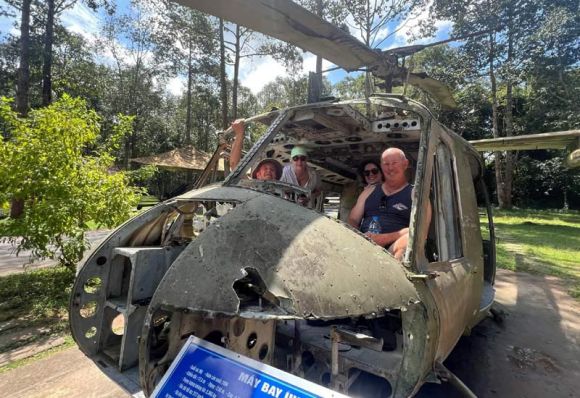
Vietnam War Memories Tour 19 Days
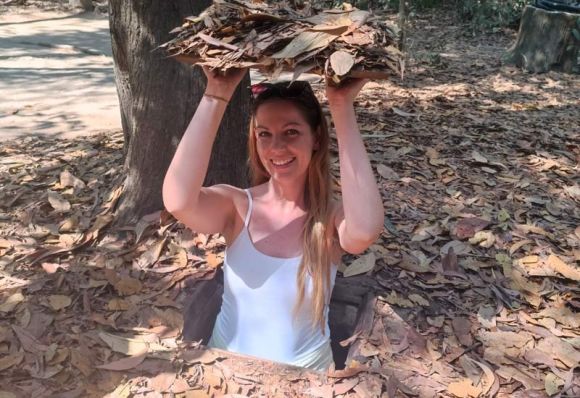
Cu Chi Tunnels Half-Day Luxury Tour by Speedboat
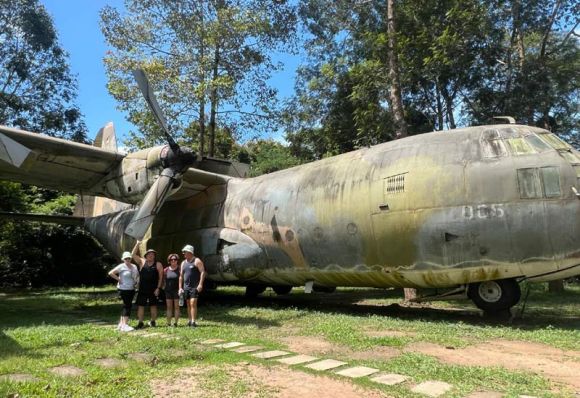
Half-Day Cu Chi Tunnels from Ho Chi Minh

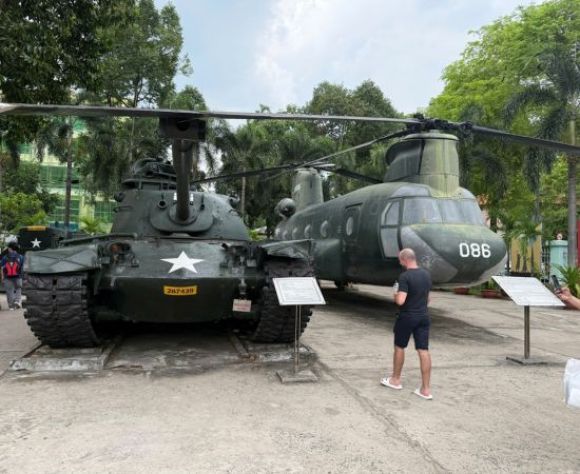
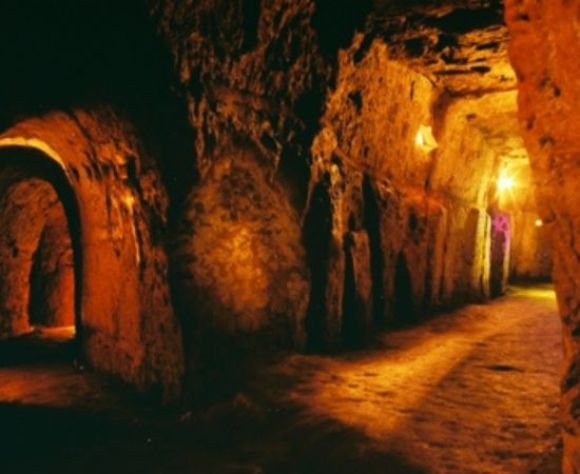




 is a historic fortress that once served as the administrative and political center of Quang Tri Province. Throughout its history, the citadel played an important role in the region's political, economic, and cultural development, as well as in the broader history of Vietnam.
On December 9, 2013, the Prime Minister of Vietnam officially recognized Quang Tri Ancient Citadel as a Special National Relic under Decision No. 2383/QD-TTg. Today, it stands as an important historical landmark, commemorating the sacrifices of Vietnamese soldiers and civilians during the war.&)