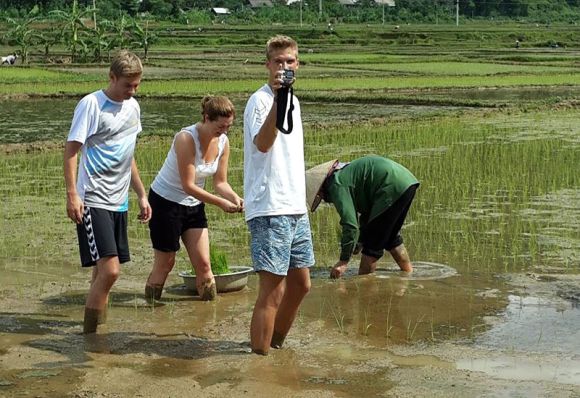
Nestled in the mountains of Northwest Vietnam, Mai Chau is a serene valley that captivates travelers with its quiet beauty and strong sense of community. Lush rice fields, traditional stilt houses, and warm local hospitality create an atmosphere of calm and authenticity. For visitors seeking to slow down and connect with nature and culture, Mai Chau offers a deeply rewarding escape. Curated by Asia Eyes Travel DMC Vietnam, this guide introduces immersive Mai Chau tours and meaningful Vietnam cultural tours, ideal for travelers looking beyond the usual routes.
Mai Chau - The Jewel of Northwest Vietnam in the Eyes of a British Visitor: Daniel Stables, a journalist for National Geographic Traveller UK, once described Mai Chau as “a precious gem of Northwest Vietnam” - a place where travelers can immerse themselves in serene nature, trek through lush landscapes, and connect deeply with local traditions.
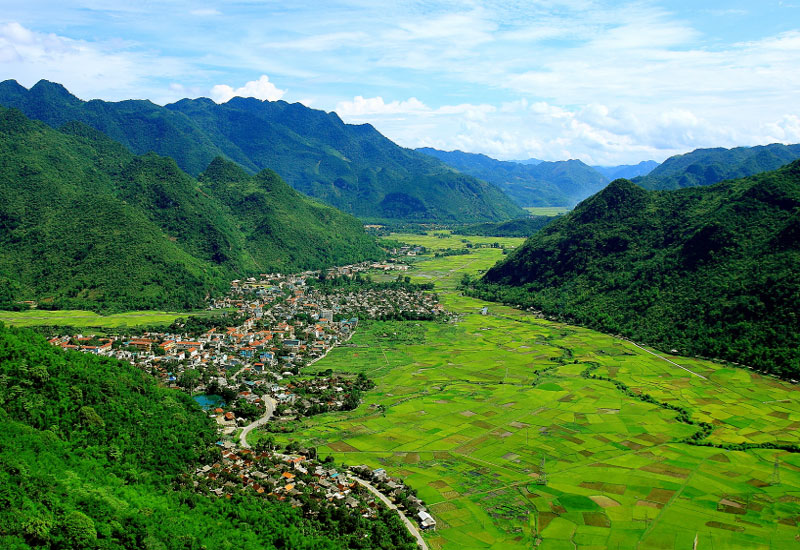
Located about 130 km southwest of Hanoi, Mai Chau in Hoa Binh Province is a broad valley embraced by mountains and terraced rice fields. Known as a gateway to the Northwest, it draws visitors with its scenic diversity and rich ethnic culture.
For Daniel, arriving in Mai Chau meant leaving behind the fast pace of modern life. Misty mountains, birdsong, and the scent of fresh earth welcomed him into a slower, more peaceful rhythm.
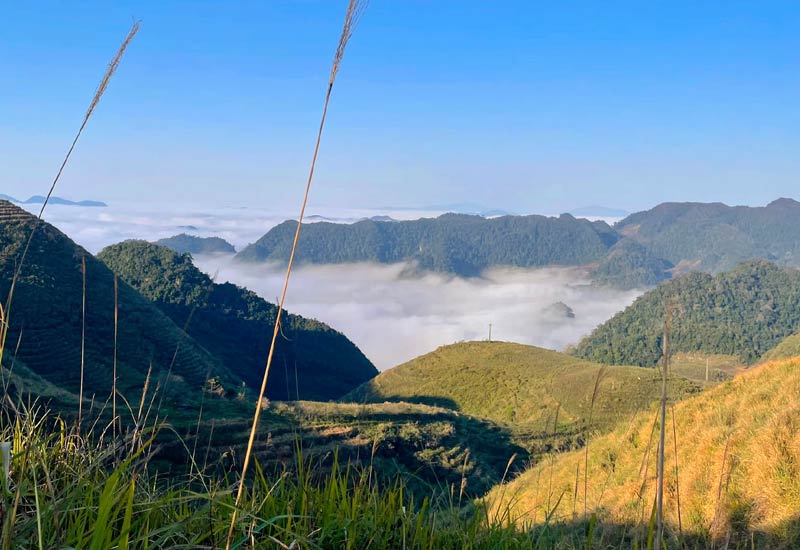
Accompanied by local guide Manh Tan, Daniel set out to explore the surrounding forests. The trails wound through rolling hills and dense greenery, offering panoramic glimpses of the valley below.
Walking along narrow leaf-covered paths, Daniel felt the authenticity of the region’s landscapes – untouched, tranquil, and filled with the sounds of nature. Each step revealed a deeper connection to the essence of Northwest Vietnam.
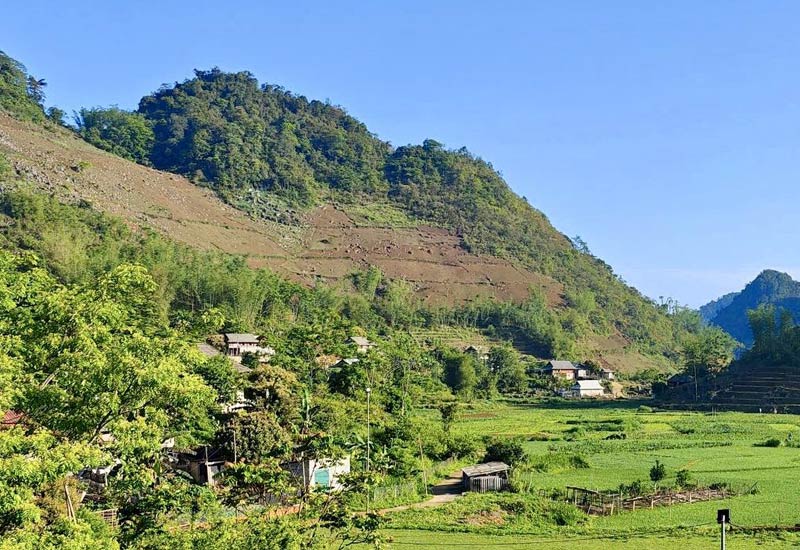
Next, Manh Tan took Daniel to Pu Bin, a village where community-based tourism is thriving. Home primarily to the White Thai ethnic group, the village preserves its traditional stilt houses and colorful cultural identity.
Before reaching his homestay, Daniel passed through another small forest and arrived at a wooden stilt house standing beside rice paddies, with buffalo grazing nearby. The house belonged to Ha Luong, who welcomed him inside. The interior featured smoke-darkened beams, bundles of forest herbs, and a warm, rustic atmosphere.
While chatting, Ha Luong played the flute and sang in the Thai language, sharing stories of his heritage and his hopes that the younger generation would continue to speak their mother tongue.
Daniel later met Cao Thi Hong Nhung, who has been leading a community tourism project in Pu Bin for over a decade. She recalled that before developing homestays, the village had no electricity and limited infrastructure. Tourism has since brought new opportunities, improving livelihoods and encouraging cultural preservation.
Along the way, Daniel saw villagers tending terraced rice fields, collecting snails, and cultivating crops. These simple scenes reflected the daily rhythm of life in Mai Chau.
At another stilt house, Ha Tuong invited Daniel to try weaving bamboo baskets. Though his hands quickly became sore, the experience offered insight into the craftsmanship and patience required for such work.
Ha Tuong explained that tourism has created jobs such as making handicrafts and brewing rice wine. Before leaving, he poured Daniel a cup of ruou nep (sticky rice wine), a gesture of friendship and welcome.
By midday, Daniel visited Ha Thi Hong, 82, the leader of the village’s traditional dance troupe. He helped pound peanuts for lunch while she wrapped sticky rice in banana leaves. The meal, served on low wooden tables, featured fragrant dishes made from fresh local ingredients.
After lunch, Daniel joined the villagers in a lively bamboo pole dance, accompanied by the rhythm of drums and gongs. “Tourism helps keep cultural treasures like this alive,” Ha Thi Hong said.
Staying overnight in Mai Chau’s stilt house homestays offers guests a truly immersive cultural experience. Soft bedding, cool mountain breezes, and misty sunrise views make these stays unforgettable. For couples seeking a unique escape, Mai Chau’s homestays are a hidden gem within Vietnam Honeymoon Tours, offering intimacy, natural beauty, and authentic traditions far from the crowds.
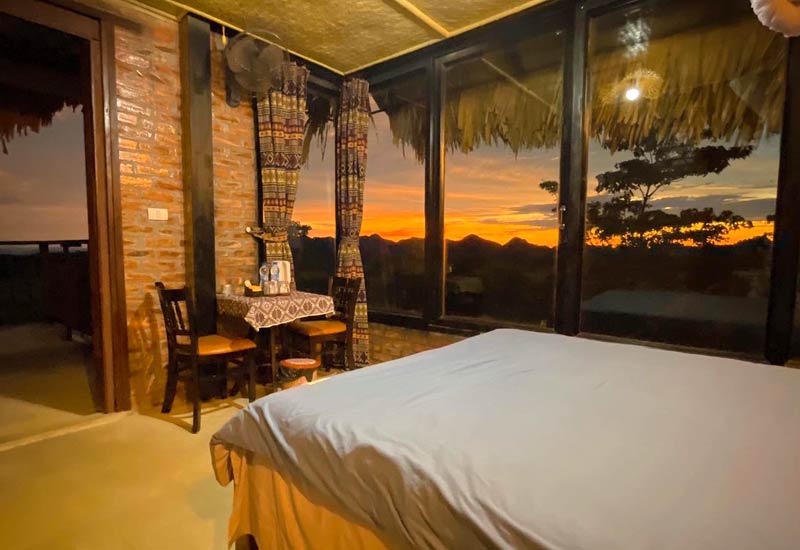
For Daniel, Mai Chau’s beauty is not only in its landscapes but also in its people. Friendly, open-hearted, and proud of their heritage, they welcome visitors as if into their own homes.
The valley is a living example of how sustainable tourism can both preserve cultural heritage and provide new livelihoods. Every visit helps sustain traditional music, dance, and crafts for future generations.
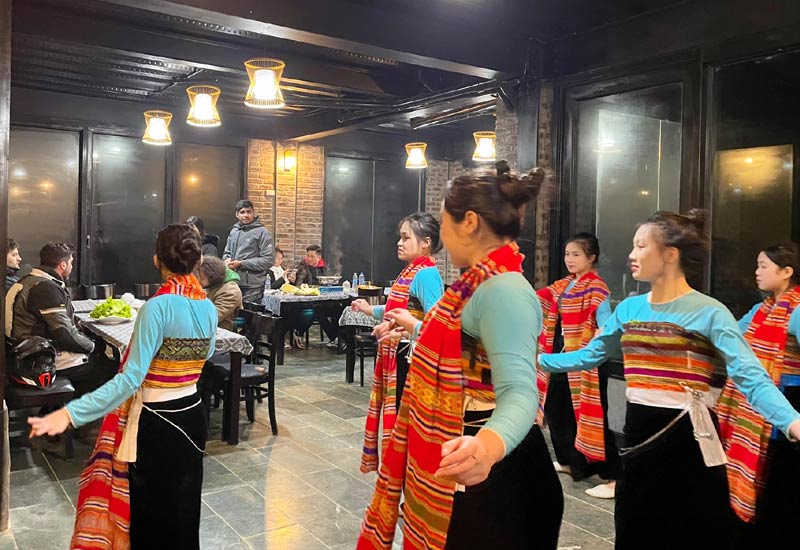
For a truly authentic Mai Chau experience, Asia Eyes Travel offers flexible tours that combine stunning natural scenery, local culture, and traditional homestays. Working closely with local families, we give you the chance to experience Mai Chau beyond sightseeing through home-cooked meals, cycling through rice fields, cultural activities, and visits to the region’s most beautiful landscapes. As part of our exclusive North Vietnam Tours, we take care of every detail so you can simply relax and enjoy the journey.
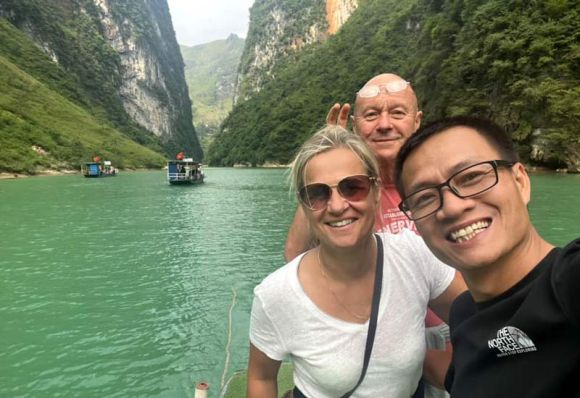
7-Day Ethnic Culture & Mountain Adventure
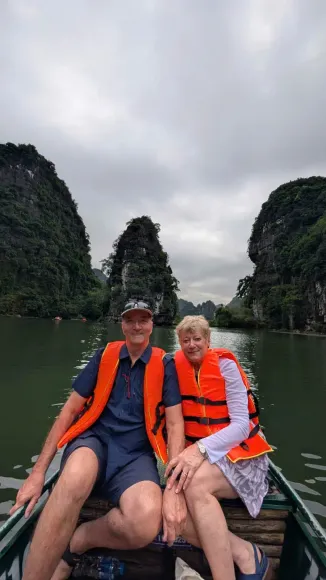
Explore North and Central Vietnam 10 Days
Northern Vietnam Tour 5 Days ( From Hanoi )
Vietnam Tour Deals 16 Days from North to Central

Vietnam Family Tour 16 Days from North to South