Thailand is one of the easiest countries in Southeast Asia to travel around thanks to its well-developed transportation network. Whether you want to explore bustling cities, northern mountains, or tropical islands, travelers have several convenient ways to move between destinations.
At Asia Eyes Travel DMC Vietnam, we often assist travelers who combine Thailand with other Southeast Asian destinations. Understanding Thailand’s transport system helps visitors plan smoother itineraries and save time while exploring the country. From scenic train journeys to quick domestic flights and affordable long-distance buses, here is a clear guide to getting around Thailand.
Thailand’s railway system offers one of the most scenic and relaxed ways to travel across the country. Operated by the State Railway of Thailand, trains connect major destinations including Bangkok, Chiang Mai, and Ayutthaya.
Train travel is particularly popular for the overnight route between Bangkok and Chiang Mai. Travelers can book sleeper cabins that allow them to rest comfortably during the journey while saving a night of hotel accommodation. This route is considered one of the most pleasant train journeys in Southeast Asia, passing through countryside landscapes and small rural towns.
There are several classes of train tickets available. Budget travelers can choose basic seats, while first-class sleeper cabins provide private compartments and more comfort. Tickets are affordable, and trains are generally safe and reliable, though they may not always run exactly on schedule.
For travelers who enjoy slower journeys and authentic local experiences, train travel can be a memorable way to see more of Thailand.
Thailand’s domestic flight network is extensive and very affordable, making flying the fastest way to travel between distant destinations. Major airlines such as Thai Airways, AirAsia, Bangkok Airways, and Thai Lion Air operate daily routes across the country.
Flights are particularly useful when traveling long distances such as between Bangkok and southern beach destinations like Phuket or Krabi. A flight that takes just over one hour can replace a bus or train journey that would otherwise take ten to twelve hours.
Flights are also convenient for travelers heading north to Chiang Mai, one of Thailand’s most popular cultural destinations. Low-cost airlines frequently offer competitive fares, especially if tickets are booked in advance.
Most domestic flights depart from Bangkok’s two main airports: Suvarnabhumi Airport and Don Mueang Airport. Travelers should check their departure airport carefully when booking tickets.
For travelers looking for the most economical way to move between cities, Thailand’s long-distance buses are an excellent option. The country has an extensive network of government-operated and private buses connecting cities, towns, and tourist areas.
Modern buses are usually comfortable, air-conditioned, and equipped with reclining seats. VIP bus classes offer additional legroom and sometimes include snacks or meals during the journey.
Bus routes frequently connect destinations such as Bangkok with Chiang Mai, Phuket, and other regional cities. Overnight buses are common and can help travelers save time and accommodation costs.
However, travel times are usually longer than flights, and traffic conditions may affect schedules. For shorter distances, though, buses remain one of the most practical and affordable transport options.
Within major cities, travelers have multiple transport choices. In Bangkok, the BTS Skytrain and MRT subway system are fast and efficient ways to move around the city while avoiding traffic congestion.
Ride-hailing apps such as Grab are also widely used and make it easy to book cars or taxis directly from your smartphone. Traditional taxis are common in Bangkok, but it is recommended to ensure the driver uses the meter.
In smaller cities like Chiang Mai, shared red trucks called songthaews are a common local transport method. Tuk-tuks are another popular option for short rides, especially in tourist areas.
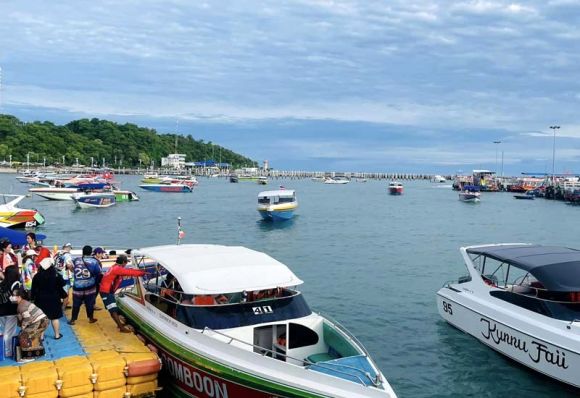
Thailand’s southern islands require boat transport. Ferries and speedboats operate regular routes between mainland ports and island destinations.
For example, travelers heading to Koh Samui, Koh Phi Phi, or other islands usually combine flights or buses with ferry connections.
Boat schedules can vary depending on weather conditions, particularly during the monsoon season, so it is always wise to check departure times in advance.
The best way to travel around Thailand depends on your itinerary, travel style, and time available. Flights are ideal for long distances and tight schedules, while trains offer scenic journeys and a more relaxed travel pace. Buses provide an affordable option for budget travelers and connect nearly every region of the country.
Many travelers combine several transport types during their trip. For example, a typical route might include flying from Bangkok to Phuket, taking ferries to nearby islands, and returning by plane.
Understanding transportation options helps travelers move around Thailand more efficiently and enjoy a smoother travel experience. From scenic train journeys in the north to quick flights connecting tropical islands, choosing the right transport can significantly improve your itinerary.
At Asia Eyes Travel DMC Vietnam, our travel specialists help visitors design well-planned Southeast Asia journeys, including customized Thailand tours and immersive Northern Thailand Tours. With expert local knowledge, we arrange transportation, accommodations, and experiences that allow travelers to explore Thailand comfortably and confidently.
Contact Asia Eyes Travel today via email at info@asiaeyestravel.com or WhatsApp at +84 935 946 688.