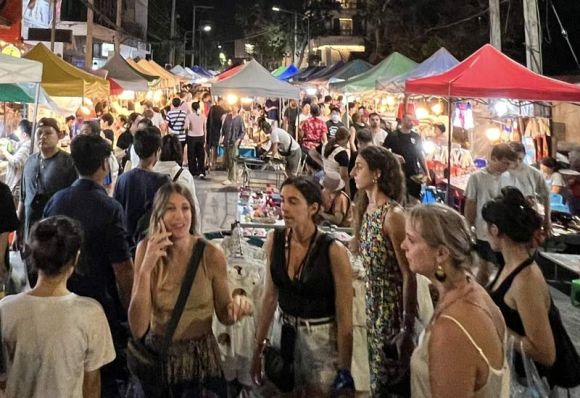
Chiang Mai offers a completely different side of Thailand compared to Bangkok, especially when it comes to food and culture. The pace is slower, the flavors are richer, and experiences feel more local and personal. Instead of just visiting attractions, travelers can combine temple visits, local markets, and traditional dishes in one journey. With Asia Eyes Travel DMC Vietnam, you can explore Chiang Mai through well-planned Northern Thailand tours that connect food, culture, and daily life in a natural and meaningful way.
Chiang Mai’s food and culture are deeply influenced by Northern Thailand traditions.
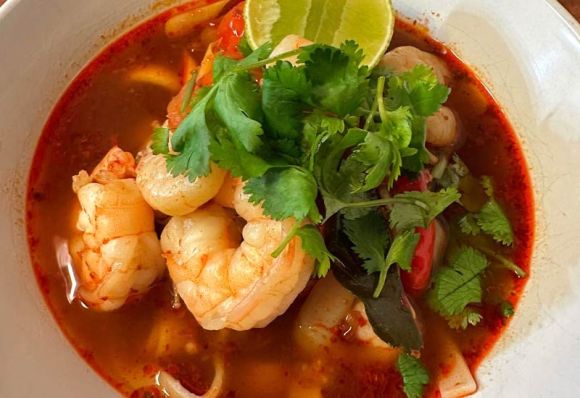
Unlike Bangkok, where flavors are often bold and fast-paced, Chiang Mai cuisine is slightly milder but more aromatic, with dishes like Khao Soi and Sai Ua (Northern sausage).
The city itself is more relaxed, making it easier to combine food experiences with temple visits and local exploration without feeling rushed.
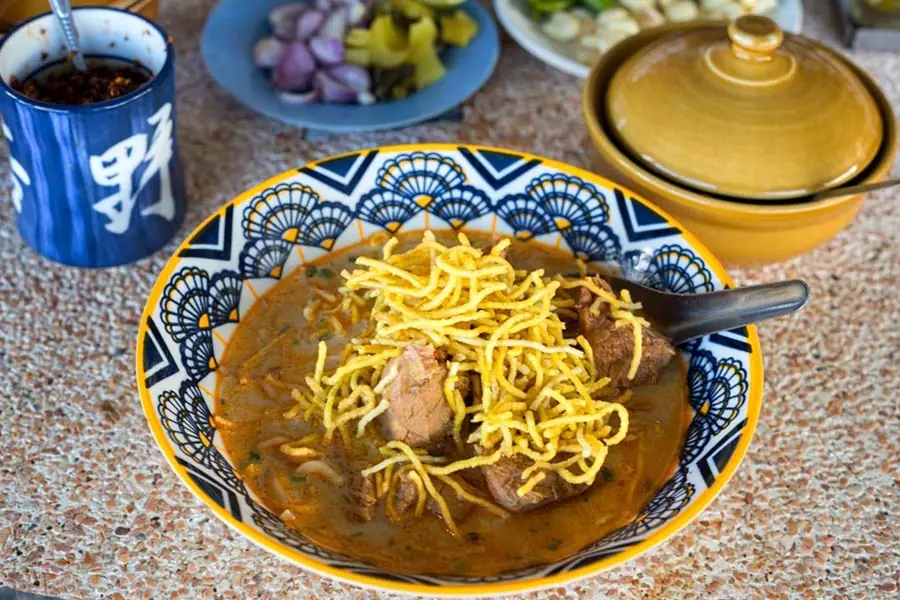
Start with Khao Soi, the most famous Northern Thai dish. You can try one of the best versions at Khao Soi Mae Sai, known for its rich coconut curry broth and tender meat.
Another local specialty is Sai Ua, a grilled herbal sausage often sold at markets like Warorot Market. It has a unique flavor from lemongrass and spices.
For something simple, try Nam Prik Ong (chili dip with minced pork), usually served with fresh vegetables—perfect for sharing.
Markets are where food and culture come together in Chiang Mai.
Warorot Market is one of the best places to see how locals shop and eat. You’ll find fresh produce, snacks, and ready-to-eat dishes all in one place.
In the evening, head to Chiang Mai Night Bazaar, where you can try street food while exploring handicrafts and local products. It’s a good combination of food and shopping in one stop.
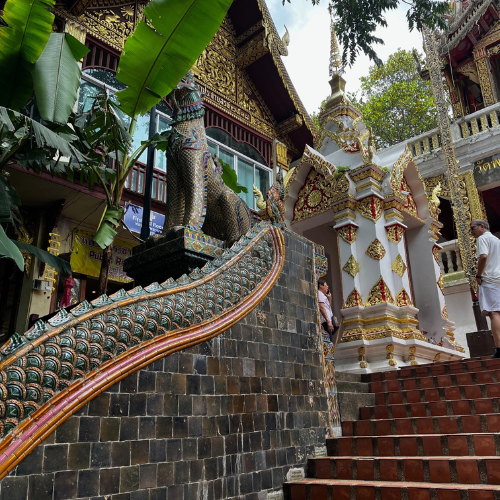
Chiang Mai is known for its temples, and many food spots are located nearby.
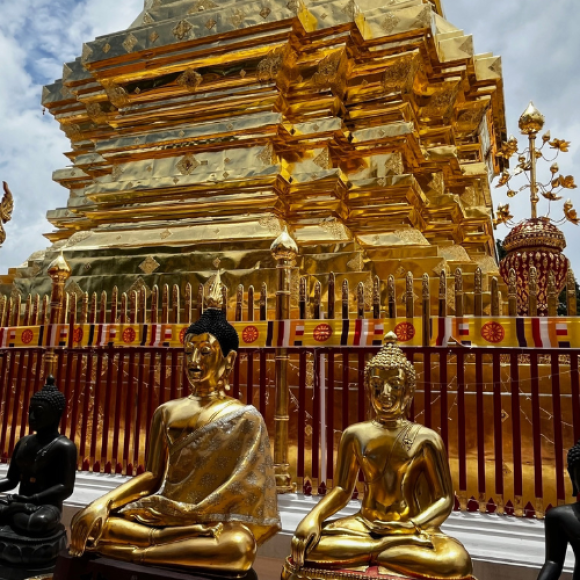
After visiting Wat Phra Singh or Wat Chedi Luang in the Old City, you can easily walk to nearby restaurants or cafés to try local dishes.
This makes it easy to plan your day without spending too much time on transportation.
A cooking class is one of the best ways to understand Chiang Mai’s food culture.
Schools like Thai Farm Cooking School offer half-day or full-day experiences, including market visits and hands-on cooking in a garden setting.
This activity works well if you want something interactive instead of just eating at restaurants.

Start your morning with a temple visit in the Old City, followed by lunch with Khao Soi at a local restaurant.
In the afternoon, visit a market like Warorot to explore local snacks and ingredients.
In the evening, head to the Night Bazaar for street food and shopping. This simple structure allows you to experience both food and culture without rushing.
Chiang Mai is smaller than Bangkok, so getting around is easier.
You can use Grab for short distances or hire a private car for a full-day itinerary. Songthaews (shared red trucks) are also common for short trips within the city.
Most key food and cultural spots are within 10–15 minutes of each other.
Chiang Mai is not just about food or temples - it’s about how both come together to create a deeper travel experience. From local markets to traditional dishes, every moment feels more connected to daily life in Northern Thailand. Many travelers choose to include Chiang Mai in their Northern Thailand tours to balance culture, relaxation, and authentic food experiences.
If you want a well-organized journey that combines the best of Chiang Mai’s food and culture, contact Asia Eyes Travel DMC Vietnam via email at info@asiaeyestravel.com or WhatsApp at +84 935 946 688.
8-Day Adventure in Chiang Rai and Chiang Mai
9 Days Exploring the Wonders of Northern Thailand
10-day Northern Thailand itinerary
5-Day Private Tour from Chiang Rai to Chiang Mai
Explore the Best of Thailand in 10 Days
Explore the Best of Thailand in 16 Days
Discover the beauty of Chiang Mai 4 Days
Discover Central and Southern Thailand in 15 Days