

Angkor Map Guide
A Simple yet Detailed Introduction for First-Time Travelers
Exploring Angkor for the first time can be overwhelming without the right guidance. An Angkor map guide helps you navigate this vast and extraordinary complex, from iconic temples like Angkor Wat and Bayon to hidden gems off the main routes. With clear orientation and smart planning, you can maximize your time while fully appreciating the history, architecture, and spiritual significance of each site. Supported by the expert insights and thoughtful planning of Asia Eyes Travel DMC Vietnam, your first visit to Angkor becomes smooth, enriching, and truly unforgettable-right at the heart of Cambodia’s remarkable heritage.
The Angkor Archaeological Park is a vast complex of ancient temples, palaces, and other structures that once served as the heart of the Khmer Empire. It is divided into several key regions, each with its own unique historical, architectural, and cultural significance.
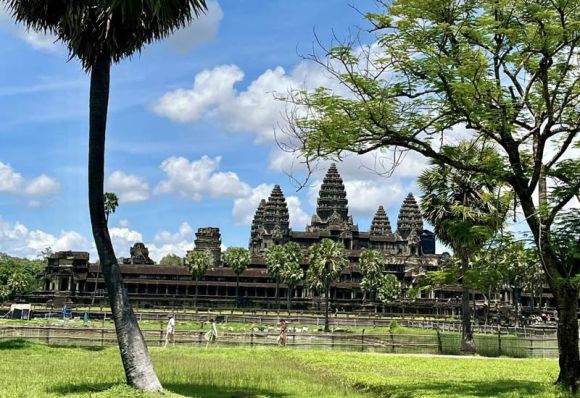
Explore the awe-inspiring Angkor Wat with this detailed map. This visual Angkor map guide highlights key landmarks, temples, and points of interest, making it easier for first-time visitors to navigate and experience the grandeur of Cambodia’s most iconic site. Whether you're exploring the central temple or venturing to hidden corners, this map is your perfect companion for an unforgettable journey through Angkor Wat.

The Main Divisions of Angkor are primarily categorized into three main areas: the Central Zone, the Inner Circuit, and the Outer Circuit, with additional important sites located in the Peripheral Areas.
The Central Zone is the heart of the Angkor complex, home to the most famous and iconic temples, such as Angkor Wat and Angkor Thom. This area is where the political and religious power of the Khmer Empire once thrived.
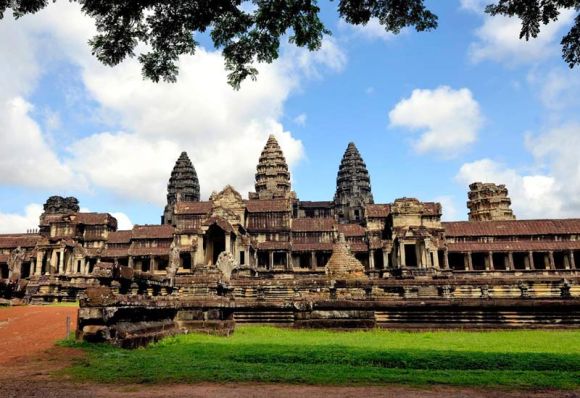
Angkor Wat, the world’s largest religious monument, is the centerpiece of the Angkor Archaeological Park. Built in the 12th century by King Suryavarman II, it symbolizes Mount Meru, the mythological home of the gods, with a central tower surrounded by smaller towers and galleries.
Famous for its intricate bas-reliefs depicting Hindu epics like the Churning of the Ocean of Milk and scenes from the Mahabharata and Ramayana, the temple reflects themes of mythology and devotion. Originally dedicated to Vishnu, it later became a Buddhist site and remains active today.
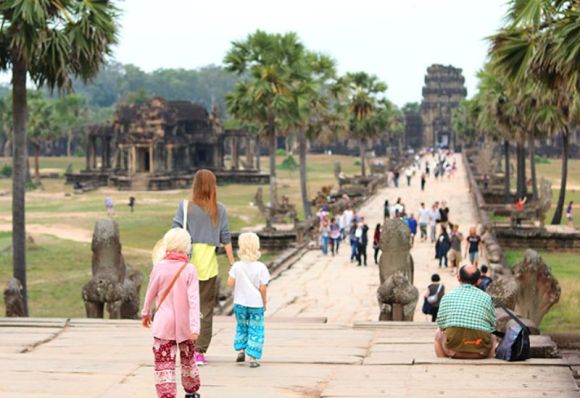
A must-see highlight is sunrise at the temple, with its reflection in the lotus pond. Exploring the galleries and central sanctuary offers stunning views and insights into Khmer artistry.
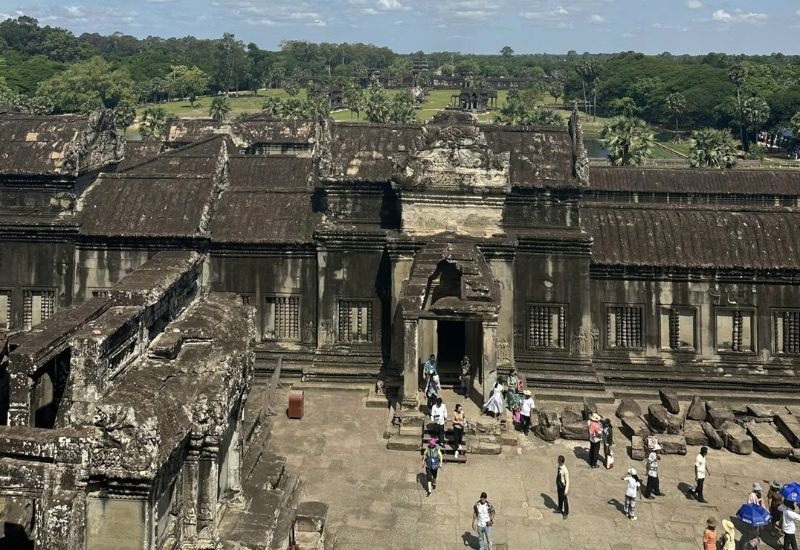
Angkor Thom, the last great capital of the Khmer Empire, is a vast walled city built in the late 12th century by King Jayavarman VII. It served as the political and religious center of the empire and showcases a blend of Hindu and Buddhist influences in its design.
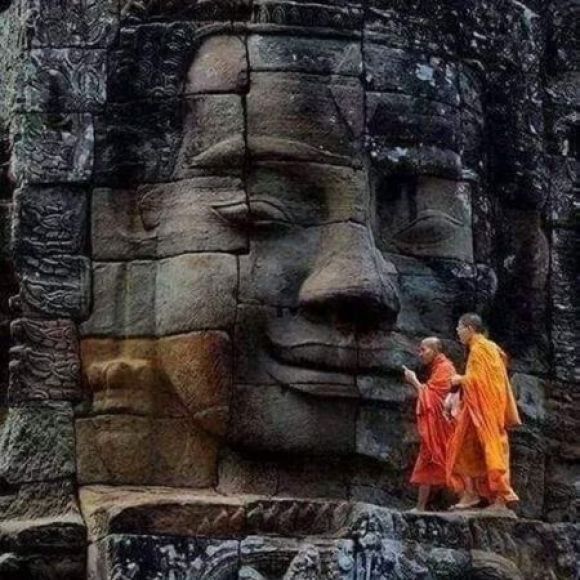
At the heart of Angkor Thom lies the Bayon Temple, famous for its serene stone faces and intricate bas-reliefs depicting daily life and historical events. The city is enclosed by massive walls and gates adorned with monumental carvings, including the iconic Victory Gate and South Gate, each flanked by rows of deities and demons.
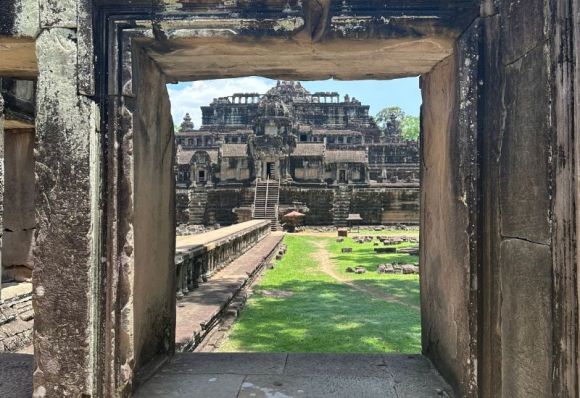
Angkor Thom's highlights include Baphuon, an impressive three-tiered temple, and the Terrace of the Elephants, used for royal ceremonies. Exploring this grand city offers a glimpse into the empire's glory and the spiritual and architectural achievements of its era.

The Inner Circuit encompasses a collection of smaller, nearby temples, many of which offer a more intimate and detailed exploration of Khmer architecture and art. These temples are often more tranquil and provide a closer look at the daily life of the empire.
The Inner Circuit features several remarkable temples located near the Angkor Wat complex, each showcasing unique aspects of Khmer architecture and religious history.
Ta Prohm, famously known as the "Tomb Raider Temple," is one of the most iconic sites in the Inner Circuit. Overgrown by massive tree roots and shrouded in jungle, it offers a striking blend of nature and architecture. Built in the late 12th century by King Jayavarman VII, it was originally a Buddhist monastery and university dedicated to his mother.

Banteay Kdei, another significant temple, is smaller and quieter than Ta Prohm. Constructed in the same period and style, it served as a Buddhist temple. Despite its partially ruined state, its peaceful atmosphere and intricately carved corridors make it a favorite for those seeking a less-crowded experience.
Srah Srang, a large reservoir or baray, was used for religious rituals. Located opposite Banteay Kdei, it offers a tranquil setting, particularly during sunrise, when the water reflects the colors of the sky.

Finally, Prasat Kravan is a unique brick temple built in the 10th century and dedicated to Vishnu. It is known for its beautifully carved bas-reliefs on the interior walls, depicting scenes from Hindu mythology.
These Inner Circuit temples are compact, accessible, and perfect for exploring the spiritual and artistic achievements of the Khmer Empire in a relatively short timeframe.
The Outer Circuit features larger, less-visited temples and distant complexes, including Preah Khan, Neak Pean, and Banteay Samré, which offer expansive layouts and quiet, peaceful settings for exploration.
Preah Khan, built in the late 12th century by King Jayavarman VII, served as a Buddhist monastery and university. This sprawling temple is known for its intricate carvings, long corridors, and atmospheric ruins intertwined with jungle growth. Its layout symbolizes both a religious sanctuary and a functional city, with separate areas for worship and daily life.
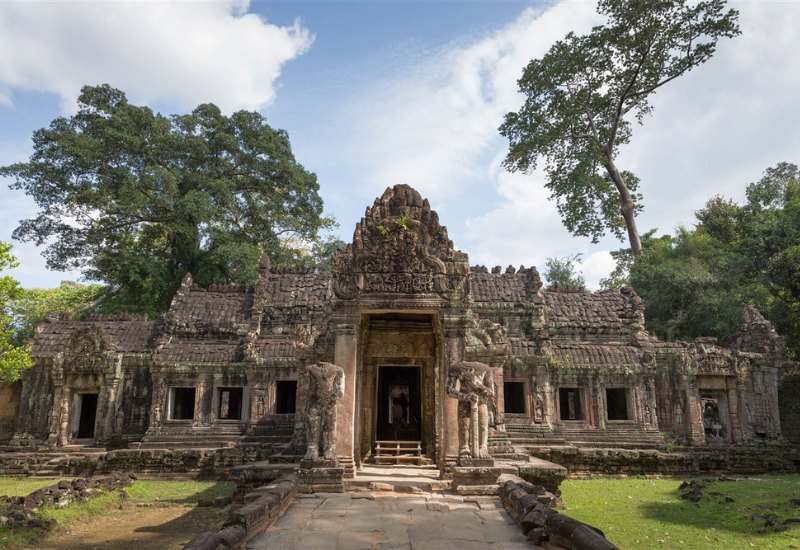
Nearby, Neak Pean is a unique island temple surrounded by a series of ponds. Built as a Hindu-Buddhist hospital during the reign of Jayavarman VII, it represents the sacred Himalayan lake Anavatapta, believed to have healing properties. The central tower sits atop an artificial island, reflecting Khmer ingenuity and spiritual symbolism.
Ta Som, a compact yet charming temple, is notable for its eastern gate, which features a giant face entwined with tree roots. Built in the same era as Preah Khan, it shares similar architectural styles and serene jungle surroundings, making it a photographer's delight.
Further afield, Banteay Samre is a well-preserved temple dedicated to Vishnu. Its harmonious layout and intricate carvings make it one of the Outer Circuit's hidden gems, offering a quieter alternative to the central temples.
These highlights of the Outer Circuit showcase the Khmer Empire’s architectural diversity and provide a tranquil escape, ideal for visitors seeking a deeper connection with Angkor’s history and nature.
Peripheral Sites include temples and locations that are farther from the main park, such as the Roluos Group and Banteay Srei, which provide critical insights into the early history of the Khmer Empire and its artistic developments.
The Roluos Group, located southeast of the main Angkor complex, represents some of the earliest Khmer temples, built during the late 9th century when the capital was at Hariharalaya. Key temples include Bakong, a majestic pyramid-style temple symbolizing Mount Meru; Preah Ko, known for its detailed carvings and dedication to ancestral worship; and Lolei, which features brick towers and remnants of intricate stuccowork. These temples highlight the formative stages of Khmer architecture and provide a quieter, more reflective experience.
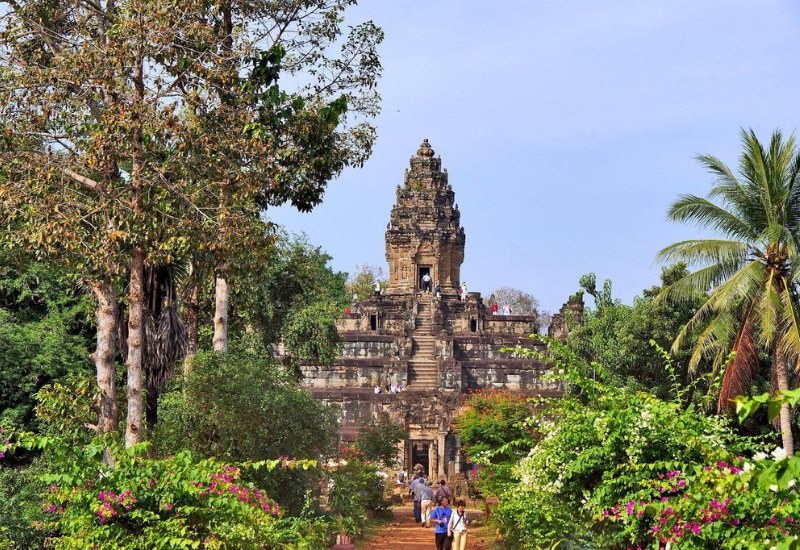
Banteay Srei, often called the "Jewel of Khmer Art," is located about 25 kilometers northeast of Angkor Wat. This 10th-century temple is renowned for its pink sandstone construction and intricate carvings, which depict Hindu mythological stories with exceptional detail. Dedicated to Shiva, Banteay Srei’s small but exquisitely adorned structures make it a must-visit for art and history enthusiasts.

Further afield, Beng Mealea, a sprawling temple complex engulfed by jungle, offers an adventurous exploration experience. Built in a similar style to Angkor Wat, its collapsed corridors and towering trees evoke a sense of mystery and wonder. Other distant sites, such as Kbal Spean, feature a "River of a Thousand Lingas," with carvings etched into the riverbed, adding a natural and spiritual dimension to the Angkor landscape.
Koh Ker temple complex is considered part of the Peripheral Sites of Angkor. Located approximately 120 kilometers northeast of the main Angkor complex, it was briefly the capital of the Khmer Empire under King Jayavarman IV in the 10th century. Koh Ker is known for its unique pyramid-shaped temple, Prasat Thom, and numerous smaller sanctuaries scattered across the area. Its remote location and distinct architectural style make it a fascinating but less-visited destination within the greater Angkor region.

These peripheral sites provide a unique perspective on the evolution of Khmer art and architecture, as well as the empire’s interaction with its natural environment, making them a rewarding addition to any visit to Angkor.
Each division of Angkor offers a distinct experience, from the grandeur of its monumental temples to the serenity of lesser-known sites, allowing visitors to fully appreciate the architectural and cultural legacy of the Khmer civilization.
In short, knowing the divisions enhances your visit by improving navigation, deepening your understanding, and allowing for a more personalized experience.

The tour includes: Angkor Wat, Angkor Thom, Bayon, Baphuon, Phimeanakas, Terrace of the elephants, Terrace of the Leper King, Prasat Sour Prat, Thommanon, Chau Say Tevoda, Spean Thma, Takeo, Ta Prohm, Banteay Kdei
Tour route: Starting from the South Gate, then exploring Angkor Thom, Angkor Wat, Ta prohm (Tomb Raider). Ending at Banteay Kdei
It’s a great option for travelers looking to see the best of Angkor in a short amount of time, without venturing too far off the beaten path.

The tour includes: Preah Khan, Banteay Prei, Neak Pean, Ta Som, East Mebon, Pre Rup and sunset at Srah Srang
Tour route: Going through Angkor Thom and then leaving the North Gate to Preah Khan, the first temple on the tour. Ending at Srah Srang to see the sunset.
This tour is ideal for those looking for a more in-depth, relaxed exploration of Angkor, beyond the main attractions.
In conclusion, while the Small Circuit is favored by the majority of travelers, the Grand Circuit holds appeal for those looking for a more extensive tour of the Angkor complex.
If these two popular tours don't meet your travel desires, give Asia Eyes Travel a call. We’ll create a tailored tour designed just for you!
Contact us today to customize your dream tour and embark on an unforgettable journey through the heart of Cambodia! Explore our best Angkor Wat Tours itineraries for expert assistance in planning your special trip!
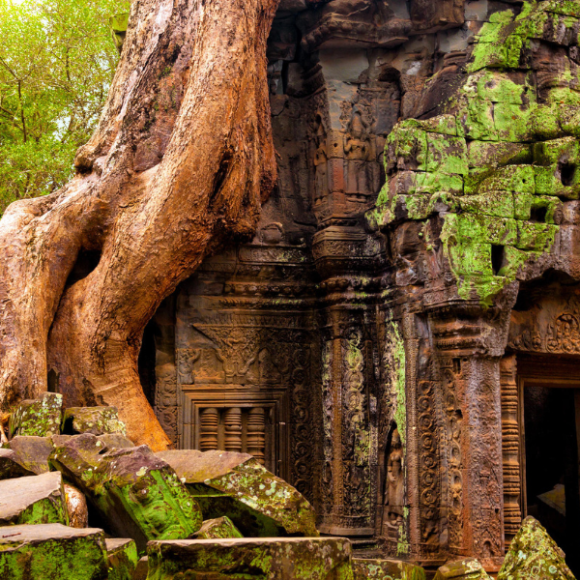
Mystic Angkor & Beautiful South Cambodia 10 Days
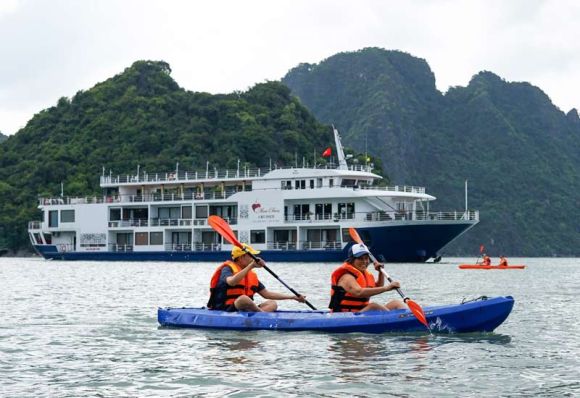
Best Vietnam and Cambodia Package 14 Days
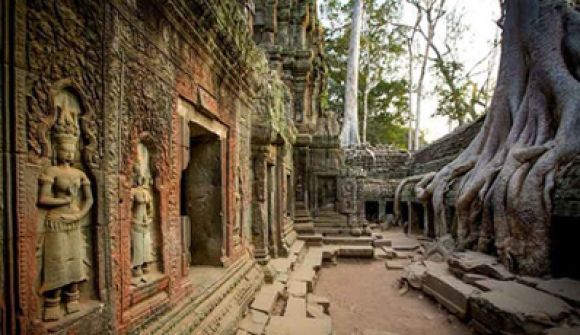
Cambodia Tour Package 4 Days - Angkor Wat Tours
Vietnam and Cambodia Heritage Journey 12 Days